
The System Was Working...Until People Got Hurt

Who Owns the Human Cost?
Most leadership failures don't begin with bad people.
They begin with good people who slowly disconnect from the human consequences of their decisions.
That may sound harsh, but think about the last organization you worked in.
Human Resources followed policy.
Legal followed procedure.
Finance approved the budget.
Operations hit their numbers.
Managers completed their performance reviews.
Everyone did exactly what they were supposed to do.
Yet employees still burned out.
Great people quietly resigned.
Trust slowly disappeared.
How does that happen?
I've spent years asking that question. Ironically, one of the oldest leadership lessons I know isn't found in a business book. It's found in the story of Pontius Pilate.
Whether you view that story as history, theology, or simply a timeless lesson about human behavior doesn't really matter. The leadership pattern has repeated itself for thousands of years.
Pilate famously washed his hands.
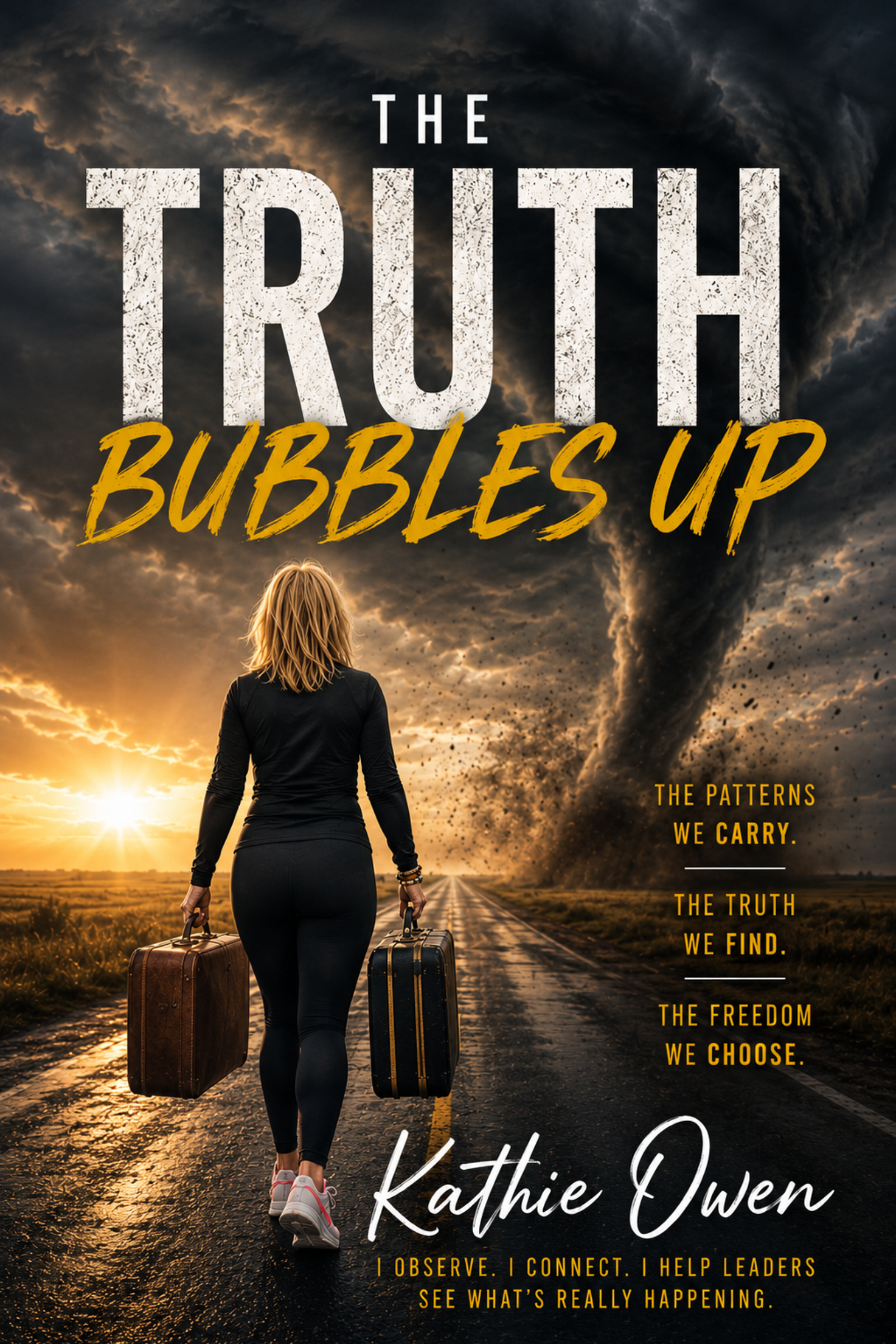
In fact in my book I include the words to the Rolling Stone song Sympathy for the Devil at the beginning of this chapter:
“I was 'round when Jesus Christ had his moment of doubt and pain. Made damn sure that Pilate washed his hands and sealed his fate.” (Perhaps you won’t hear those words the same way you did before…after reading this.)
He didn't personally carry out the sentence. He simply allowed the system to continue.
That image has stayed with me for years because I've seen modern versions of it everywhere I go.
I've seen it in families.
I've seen it in courtrooms.
I've seen it in hospitals.
I've seen it in leadership teams.
I've seen it in founder-led companies.
And I've seen it in organizations with beautiful mission statements and deeply unhealthy cultures.
Moral Disengagement Doesn't Require Bad Intentions
Psychologists use the term moral disengagement to describe our ability to separate ourselves from the consequences of our decisions.
It sounds complicated, but it often looks surprisingly ordinary.
"I'm just following policy."
"I'm doing my job."
"My hands are tied."
"That's above my pay grade."
"I don't make the rules."
None of these statements necessarily come from malicious people.
They come from people operating inside systems.
The danger is that when everyone owns a small piece of the process, no one remains connected to the human cost.
One of the quotes from The Truth Bubbles Up captures this perfectly:
"When everyone owns a piece, no one owns the outcome."
That single sentence has become one of the guiding principles behind my consulting work.
Systems Teach People How to Behave
For years, I believed my own story was about individuals making poor decisions.
Eventually, I realized something much bigger.
Systems shape behavior.
Every family has a system.
Every workplace has a system.
Every leadership team has a system.
Every organization teaches people what gets rewarded and what gets ignored.
Some systems reward curiosity.
Some reward courage.
Some reward accountability.
Others quietly reward silence.
Others reward compliance.
Others reward protecting the status quo.
People don't simply work inside systems.
Systems slowly shape the people working inside them.
That's why leaders must periodically stop asking, "Is everyone following the process?" and start asking, "What is this process producing?"
Executive Presence Is More Than Confidence
Executive presence is often described as confidence, charisma, or communication skills.
I think it's something much deeper.
Executive presence is the ability to remain psychologically connected to the human consequences of your decisions.
It's easy to feel connected when things are going well.
It's much harder when you're under pressure.
When layoffs become necessary.
When mergers create uncertainty.
When difficult conversations must happen.
When policies conflict with people.
That's when leadership matters most.
Another quote from my book says:
"The most dangerous leaders aren't always the ones with bad intentions. They're the ones who stop seeing the people behind the process."
That isn't an accusation.
It's an invitation.
Because every leader—including me—is capable of becoming disconnected when pressure increases.
The question isn't whether it can happen.
The question is whether we'll notice when it does.
Families Follow Systems Too
This isn't only about business.
Families create systems as well.
One person becomes the peacemaker.
Another becomes the fixer.
Someone learns to stay quiet.
Someone learns to carry everyone else's emotions.
Over time, those roles become automatic.
Nobody intentionally creates dysfunction.
People simply learn how to survive inside the system they're given.
Organizations are no different.
That's why I often say that leadership psychology begins long before someone receives a management title.
Human Diligence Changes the Conversation
Financial diligence matters.
Legal diligence matters.
Operational diligence matters.
But there is another form of diligence that organizations often overlook.
Human diligence.
Human diligence asks different questions.
Who is still living with the consequences after the meeting ends?
What behaviors does this culture quietly reward?
Who feels safe enough to tell the truth?
Where has compliance replaced courage?
Does this system encourage people to think—or simply to comply?
If everyone followed the rules, why are people still getting hurt?
Who owns the human cost?
These questions don't blame people.
They help us understand the conditions shaping their behavior.
That's where meaningful change begins.
Looking Beyond the Villain
One of the biggest shifts in my own life came when I stopped asking, "Who's the villain?"
Instead, I began asking:
What conditions made this feel normal?
That question transformed the way I viewed families.
It transformed the way I viewed organizations.
And it ultimately became one of the foundations of my work.
Another quote from The Truth Bubbles Up says:
"The system may be working exactly as designed. The real question is whether it's producing the people you hoped to become."
I believe that's one of the most important questions any leader can ask.
Because culture isn't created by mission statements.
It's created by the behaviors a system quietly rewards every single day.
When leaders remain connected to the human impact of those behaviors, trust grows.
People flourish.
Organizations become stronger.
Not because everyone is perfect.
But because someone is willing to step back, see the whole picture, and ask the question that matters most:
Who owns the human cost?
About the Author
Kathie Owen is a private workplace consultant specializing in human diligence for founder-led and private equity-backed organizations.
She helps leaders recognize the hidden human patterns that influence culture, executive presence, leadership effectiveness, and enterprise value during growth, transition, mergers, acquisitions, and succession.
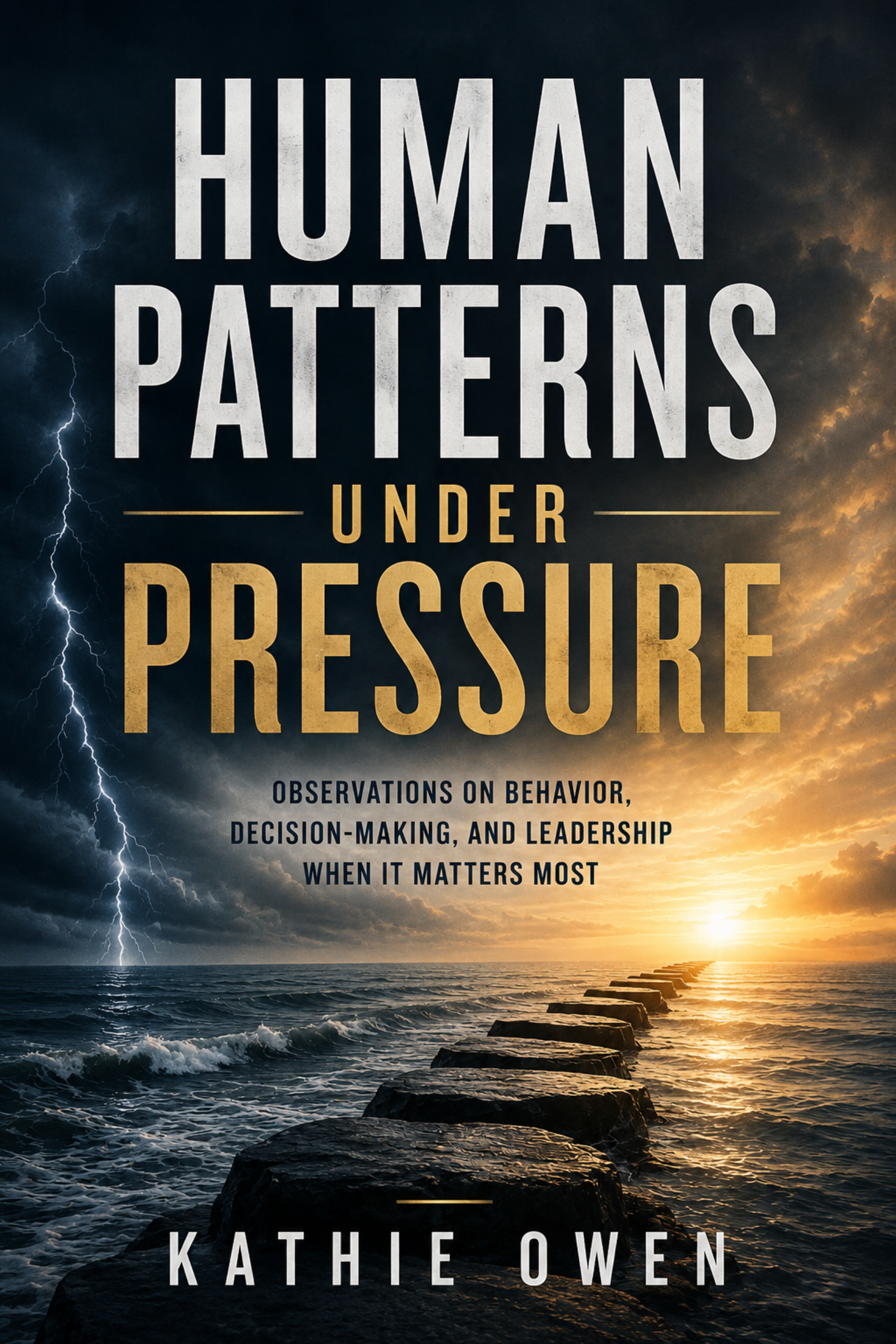
Kathie is the author of The Truth Bubbles Up and Human Patterns Under Pressure, where she explores the invisible psychological dynamics that shape leadership, decision-making, and organizational health.
Through speaking, writing, and consulting, she helps leaders see what spreadsheets, policies, and traditional diligence often miss—because people patterns ultimately determine outcomes.
Read More Articles from Kathie Here





Transcript
Have you ever worked somewhere that looked healthy on paper, but somehow people kept getting hurt? Human resources followed policy, legal followed procedure, managers followed the handbook, executives approved the decisions. Everyone did exactly what they were supposed to do, and yet good employees burned out, great people quit, trust disappeared. Nobody intended to create a toxic culture. Nobody woke up wanting to harm another human being. So what happened? Well, that's what we're talking about today. Welcome to the Kathie Owen Perspective podcast. My name is Kathie Owen. I'm a private workplace consultant specializing in human diligence inside founder-led and private equity-backed companies. I study what happens to people under pressure and the hidden patterns that quietly shape leadership, culture, and enterprise value long before they ever show up on a balance sheet. Today's conversation comes from chapter nine of my book, The Truth Bubbles Up, titled "The System Worked Exactly as Designed." When I first wrote that chapter years ago, I thought it was about lawyers. Today, I don't think it is. I think it's about systems More specifically, I think it's about something psychologists call moral disengagement. If you'd like to read the entire chapter, I'll include a link to the book in the description below. Let's dive in. One of the oldest leadership stories I can think of isn't found in a business book. It's the story of Pontius Pilate. Whether you view that story as history, theology, or simply a timeless illustration of human behavior doesn't really matter. The pattern is the same. Pilate famously washed his hands. He didn't personally carry out the sentence. He simply allowed the system to continue. He stepped back from responsibility. That's what fascinates me, because I've seen the exact same pattern everywhere. I've seen it inside families. I've seen it inside courtrooms. I've seen it in hospitals. I've seen it in corporations. I've seen it in leadership teams. I've seen it in organizations with beautiful mission statements and incredibly unhealthy cultures. Everyone was doing their job, and somehow people still got hurt. One of the biggest misconceptions we make is believing harm requires bad intentions. It doesn't. Sometimes harm happens because everyone else becomes responsible for a small piece, and no one remains responsible for the whole. That is moral disengagement. It's what happens when our role becomes more important than our humanity. The attorney follows procedure. The judge follows procedure. Human resources follows policy. The executive follows the chain of command. Finance approves the numbers. Operations keeps production moving, and everyone fulfills their responsibility. But who owns the human cost? That's the question, and it's the question I ask every time I walk into an organization. One of the quotes from my book says, "When everyone owns a piece, no one owns the outcome." Think about that for a minute. Departments become silos. Information becomes fragmented. Everyone protects their function. Nobody steps back to ask, "What is the system producing?" That's leadership. Leadership isn't simply making decisions. Leadership is maintaining a connection to the human consequences of those decisions. Executive presence isn't about confidence. It isn't about charisma. It isn't about commanding a room. Executive presence is remaining psychologically connected to the people affected by your decisions, even when you're under pressure, and that's much harder. Families do this too. Everyone plays a role. One person keeps the peace. Another avoids conflict. Someone becomes the fixer. Someone becomes the scapegoat. Nobody intentionally creates dysfunction. The system simply teaches everyone how to survive. Over time, those roles become automatic. Workplaces aren't much different. Every system teaches people something. Some systems reward curiosity. Some reward courage. Some reward honesty. Others quietly reward silence. Others reward compliance. Others reward protecting the status quo. Every organization is teaching people how to behave under pressure, whether leadership realizes it or not. Another quote from my book says, "The most dangerous leaders aren't always the ones with bad intentions. They're the ones who stop seeing the people behind the process." That sentence took me years to understand because for a long time, I believed my own story was about individuals making bad decisions. Eventually, I realized something much bigger. Systems influence behavior. Pressure influences behavior. Roles influence behavior. That doesn't remove personal responsibility, but it does change the questions we ask. Instead of asking, "Who is the villain?" I now ask, "What conditions made this feel normal?" That's a completely different conversation, and it's a much more productive one too. When I work with organizations, I don't spend my time looking for bad people. I look for hidden patterns. I ask questions like, who still feels the consequences after the meeting ends? What behaviors does this culture quietly reward? Who is allowed to tell uncomfortable truths? Where has compliance replaced courage? Where has policy become more important than people? Because cultures rarely fall apart overnight. They slowly disconnect from the human beings they're meant to serve. One more quote from my book says, The system may be working exactly as designed. The real question is whether it's producing the people you hoped to become." I think that's one of the most important leadership questions any executive can ask. Not, "Is the process working?" But, "What kind of people is this process creating?" Because every system shapes human behavior, every single one. That's why I call my work human diligence. Financial diligence matters. Legal diligence matters. Operational diligence matters. But if we ignore human diligence, we eventually pay for it somewhere else, in turnover, in disengagement, in fractured cultures, in broken trust, in failed mergers, in exhausted leaders, in people quietly checking out long before they ever submit their resignation. Leadership isn't simply about getting results. It's about understanding the invisible human patterns producing those results. All right. Thank you so much for spending this time with me today. I trust that you found today's episode helpful. If this conversation resonated with you, I'd love for you to subscribe, share this episode with someone who leads people, and leave a comment below. Have you ever worked inside a system where everyone followed the rules, yet people still got hurt? I'd genuinely love to hear your thoughts. You'll also find links in the description below to my book, The Truth Bubbles Up, along with a companion blog post where I go even deeper into today's topic with additional leadership diagnostics, quotes, and resources to help you recognize these patterns inside families, teams, and organizations. Until next time, keep observing because the truth always bubbles up.

Whose nervous system is running the room? Explore emotional contagion, leadership under pressure, and Reality Transurfing pendulums. Kathie Owen explains how pausing, reducing excess importance, and dialectical thinking can help you recognize patterns and choose your response.
#EmotionalRegulation #Leadership #RealityTransurfing #HumanDiligence