
The Hidden Cost of Seeing Too Much (And What To Do About It)
Inside the Observer’s Mind
Have you ever walked into a room and immediately felt that something was off?
Maybe nobody said anything.
Maybe everyone was smiling.
But something didn't feel right.
Most people brush that feeling aside.
Some people don't.
For as long as I can remember, I've studied human behavior under pressure.
I don't turn it on.
I don't turn it off.
It's simply how I experience the world.
I notice how people speak to one another.
I notice who carries the emotional weight of the room.
I notice who becomes quieter when a certain person walks in.
I notice who becomes more controlling when uncertainty increases.
I notice who brings calm.
And I notice who spreads anxiety.
For years, I thought everyone experienced the world this way.
Eventually I realized they didn't.
That realization changed not only my career—it changed my understanding of myself.
I Don't Watch Football. I Watch Pressure.
One of my favorite shows is Quarterback on Netflix.
Most people watch it to see touchdowns, statistics, and wins.
I'm watching something completely different.
I'm watching the quarterback after he throws an interception.
I'm watching how the coach responds when things aren't going according to plan.
I'm watching teammates communicate without saying a word.
I'm watching spouses navigate uncertainty.
I'm watching parents experience pride, fear, disappointment, and hope.
I'm watching trainers.
Owners.
Fans.
Children.
Everyone.
Because pressure never affects only one person.
Pressure moves through entire systems.
Leadership moves through systems.
Calm moves through systems.
Fear moves through systems.
That's what fascinates me.
Football simply gives me another environment to observe it.
The Observer Sees the System
When I walk into a company, I'm not looking for problems.
I'm looking for patterns.
Has accountability quietly drifted?
Are people protecting comfort instead of solving problems?
Has the leader unintentionally created fear?
Is someone carrying far more responsibility than everyone else?
What behaviors are quietly being rewarded?
What behaviors are being tolerated because they've become normal?
These aren't questions about good people versus bad people.
They're questions about systems.
Pressure has a remarkable way of exposing the invisible rules every organization lives by.
That's why I often recognize cultural patterns within a day or two.
People aren't hiding them.
They're living them.
Where This Ability Began
This didn't start in boardrooms.
It started in childhood.
My mother struggled with severe anxiety.
If you've ever lived with someone whose nervous system rarely settled, you know anxiety doesn't stay contained inside one person.
It spreads.
As children, we adapt.
Some children become louder.
Some become quieter.
I became observant.
I learned to read emotional weather.
Before I spoke, I noticed.
Before I asked for something, I noticed.
Facial expressions.
Body language.
Tone of voice.
Silence.
The atmosphere in the room.
I wasn't trying to analyze people.
I was trying to understand my environment.
That survival skill eventually became the foundation of my work.
Observation Has a Cost
People often tell me,
"I wish I could read people the way you do."
Sometimes I smile.
Because they don't always see the other side.
Observation consumes bandwidth.
When your brain constantly notices patterns, it's collecting enormous amounts of information.
Sometimes I remember someone's expression months later.
Sometimes I remember a conversation years later.
Sometimes I remember the feeling of a room long after everyone else has forgotten it.
Those observations stay with me because they were emotionally meaningful.
For a long time, I thought I had to do something with every observation.
Explain it.
Fix it.
Help other people see what I saw.
That rarely worked.
Not because the observations were wrong.
But because not every observation requires action.
One of the greatest lessons I've learned is this:
Just because you see something doesn't mean you're responsible for changing it.
Inside the Maze
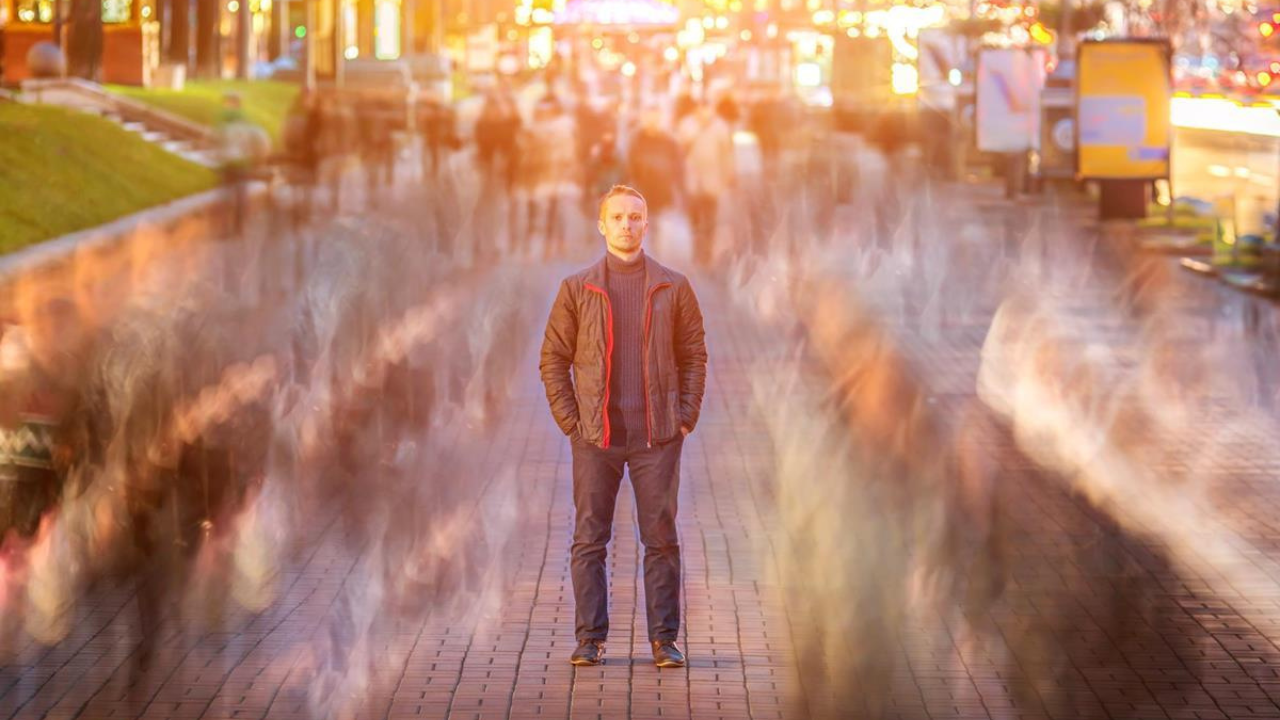
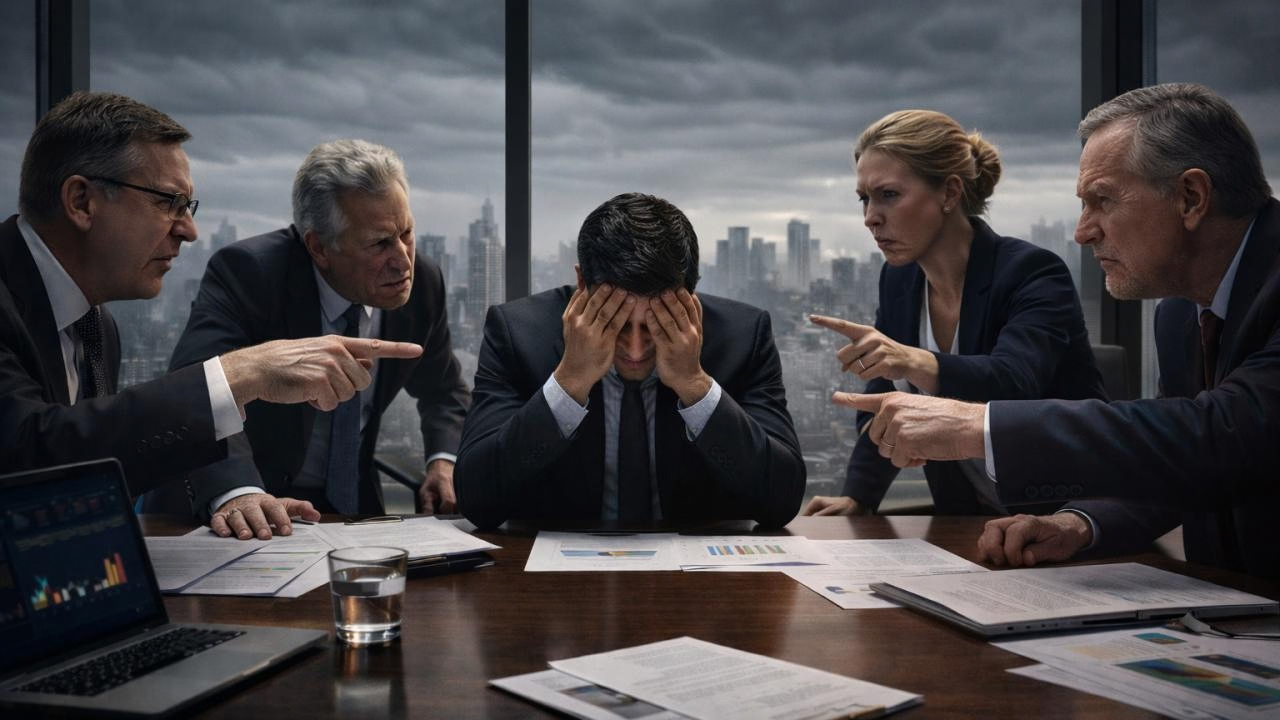
Perhaps the biggest lesson I've learned is the difference between observing pressure and living inside it.
When I'm emotionally involved, I'm inside the maze.
Every conversation feels urgent.
Every reaction feels personal.
My perspective narrows.
That's what pressure does.
It shrinks our field of vision.
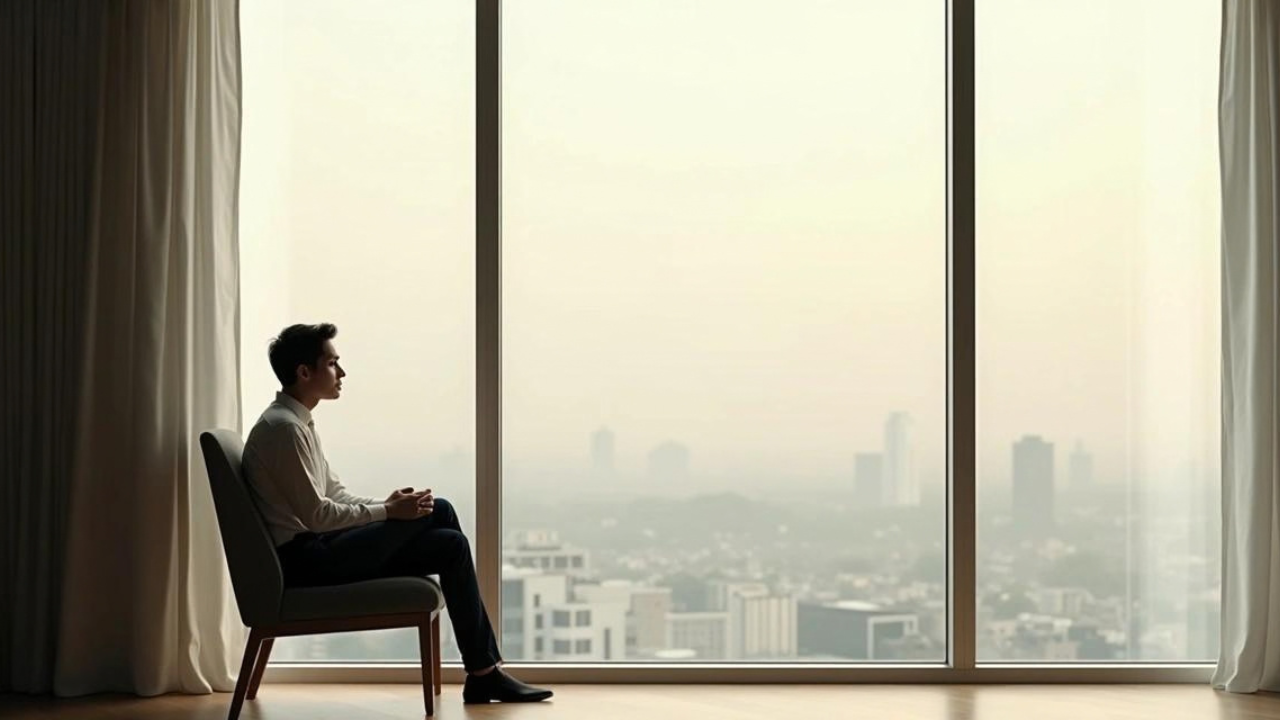
But when I step away...
When I sit quietly in a model home...
When I spend time walking in nature...
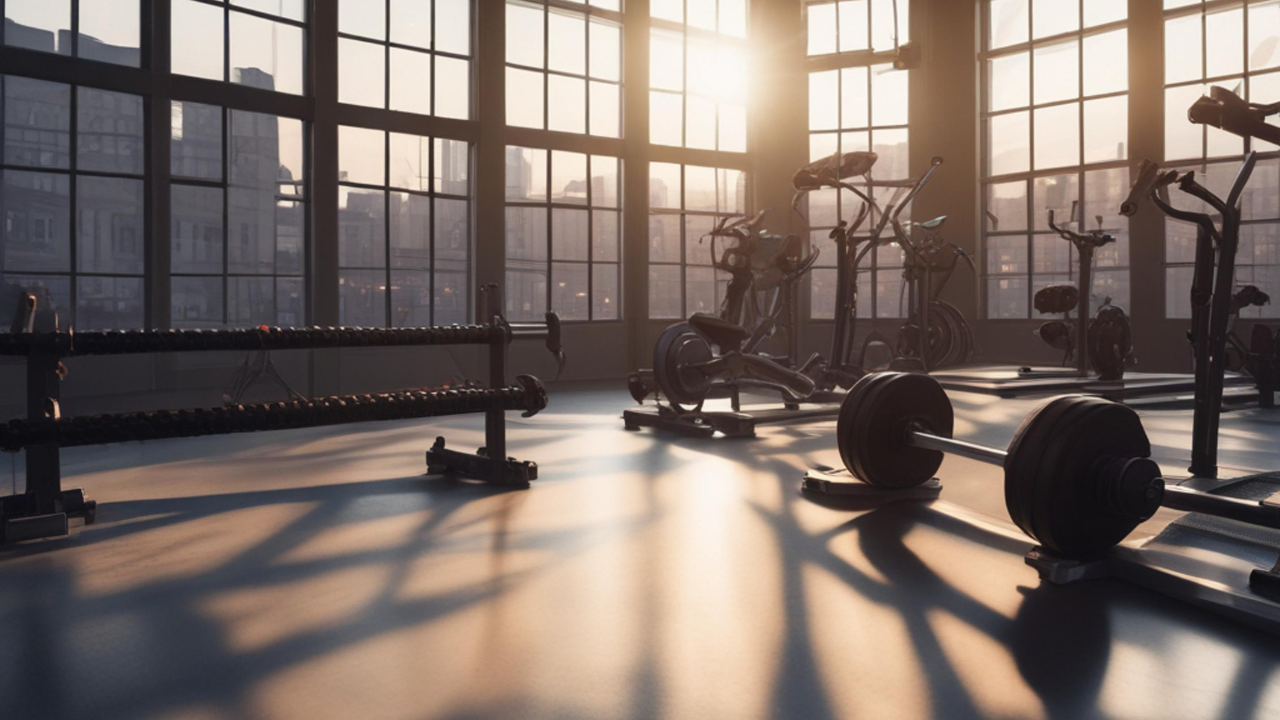
When I work out at the gym...
When I intentionally create silence...
Something shifts.
I rise above the maze.
I begin to see the entire landscape instead of the next turn.
Connections appear.
Patterns become clearer.
The emotional charge settles.
The observer returns.
That's why silence isn't a luxury.
It's maintenance.
Without it, I simply collect observations.
With it, those observations become wisdom.
The Real Lesson
This article isn't really about my ability to notice patterns.
It's about attention.
Your attention is one of your most valuable resources.
Pressure will always try to convince you to focus on the loudest voice.
The biggest conflict.
The most dramatic person.
The immediate problem.
But leaders who consistently make wise decisions learn to do something different.
They create enough space to step back.
They expand their perspective.
They refuse to let drama dictate where their attention goes.
Whether you're leading a company, raising a family, coaching a team, or simply trying to navigate your own life, the ability to step outside the maze may be one of the most valuable leadership skills you'll ever develop.
Because clarity doesn't usually come from thinking harder.
It comes from creating enough space to finally see the whole picture.
That is where better decisions begin.
That is where wiser leadership grows.
And, in my experience, that is where human patterns become impossible to ignore.
About the Author
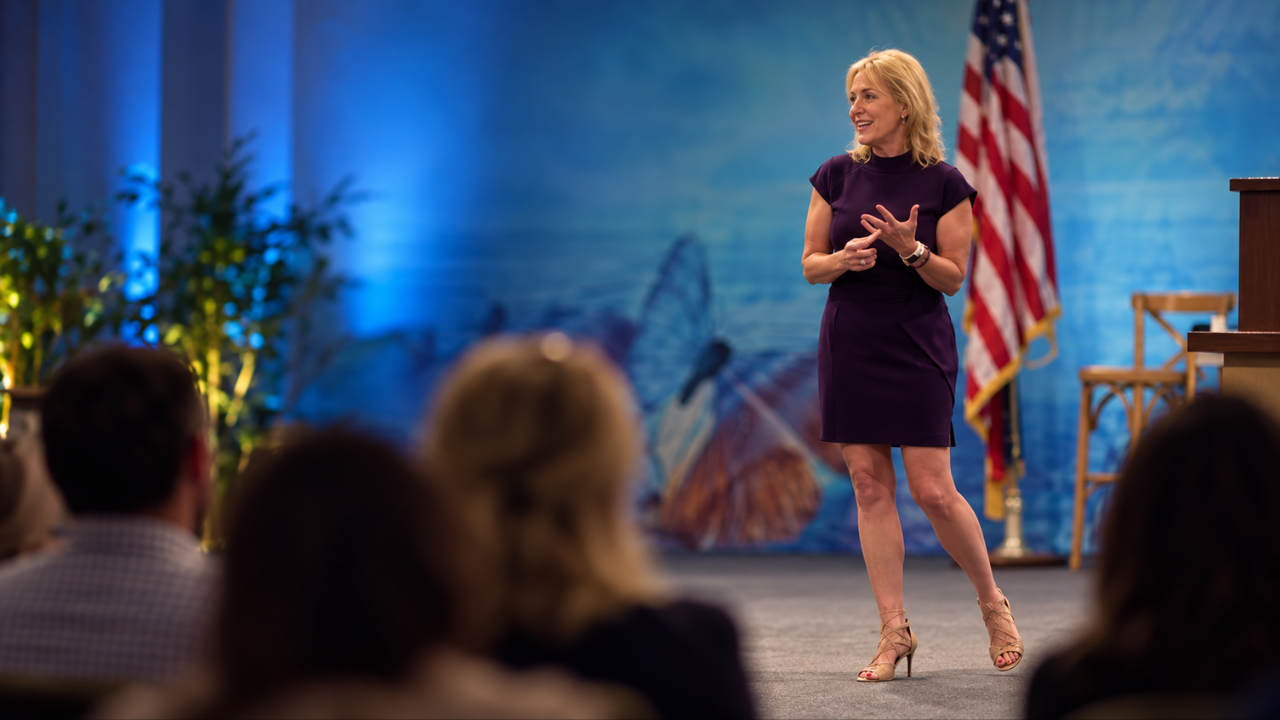
Kathie Owen is the author of Human Patterns Under Pressure and The Truth Bubbles Up. She is a consultant who helps founder-led and private equity-backed companies recognize the hidden human patterns that influence leadership, culture, succession, and organizational performance.
Drawing on more than two decades of experience in psychology, leadership development, and human behavior, Kathie specializes in helping leaders understand what pressure reveals—and how emotional patterns quietly shape decision-making, communication, and trust inside organizations.
Through her writing, podcast, consulting, and speaking, Kathie teaches leaders how to develop greater clarity, emotional regulation, and the observer's perspective so they can make better decisions when the stakes are highest.
Read More Articles from Kathie


Transcript
I used to think something was wrong with me. Seriously. I thought everybody walked into a restaurant and immediately noticed who was carrying the emotional weight of the room. I thought everybody watched a football game and paid more attention to what happened after the interception than the interception itself. I thought everybody noticed manager whose stress quietly spread through the staff, or the employee who became smaller the moment a certain person walked into the room. I thought everybody noticed those things. Apparently, they don't. For as long as I can remember, I've studied human behavior under pressure. Restaurants, coffee shops, airports, gyms, workplaces, professional sports. Everywhere I go, I'm observing people, not because I'm looking for flaws, not because I'm judging anyone. I'm curious. Pressure reveals things that comfort hides. That's become the foundation of my work. Welcome to the Kathie Owen Perspective podcast. My name is Kathie Owen, the author of Human Patterns Under Pressure and The Truth Bubbles Up. I'm a consultant who works with founder-led and private equity-backed companies, helping leaders recognize the human patterns that often determine whether teams thrive or quietly struggle under pressure. I call it human diligence. For more than two decades, I've studied leadership, emotional regulation, workplace dynamics, and the subtle behaviors that spreadsheets and dashboards rarely reveal. My work isn't about labeling people. It's about understanding the patterns that emerge when uncertainty, stress, and responsibility collide. Every week on this channel, we explore leadership, human behavior, emotional regulation, and the hidden dynamics that shape our relationships, our workplaces, and our lives. So if you're someone who's fascinated by people, leadership, or simply wants to understand yourself a little better, you're in the right place. Let's get into today's episode. One of my favorite places to study human behavior under pressure might surprise you. I watch the Netflix series Quarterback, and when I watch that series on Netflix, I'm not just watching the quarterback, I'm watching everybody. I'm watching the head coach, the offensive coordinator, the backup quarterback, the offensive line, the trainers, the spouses, the parents, the children, the reporters. I'm watching the entire emotional system. I'm asking questions most people probably aren't asking. Who becomes calmer when pressure arises? Who becomes more reactive? Who absorbs everyone else's emotions? Who creates stability? Who creates uncertainty? How one person's emotional state ripples through everyone around them, because pressure is never isolated. It spreads. Leadership spreads. Calm spreads. Fear spreads. Confidence spreads. That's what fascinates me. Football just happens to be the environment where I get to watch it unfold. And here's something I've learned about myself. Watching other people is actually easier than watching my own life because when I'm watching Quarterback, I'm not emotionally involved. That matters. I'm not rooting for one person because they're my family. I'm not trying to fix anybody. I'm not trying to protect anyone. I'm simply observing. In fact, most of those quarterbacks are not from my favorite team But I gotta admit, that's when my thinking is at its clearest. It's why my consulting comes naturally to me. When I walk into a company, I don't already have years of emotional history with the people I'm observing. I'm not trying to prove anyone wrong, and I'm not trying to defend anyone. I'm looking at the system. Where has accountability quietly drifted? Who's carrying more than they should? Where has fear replaced honest conversation? Which behaviors are being rewarded? Which ones are quietly being tolerated? Where is the leader unintentionally shaping the emotional climate? I'm not looking for bad people. I'm looking for patterns, because systems create patterns, and pressure reveals them But this did not begin in business. It began when I was a little girl. My mom struggled with severe anxiety, and if you've ever lived with someone whose nervous system stayed activated most of the time, you know anxiety is not private. It is contagious. As children, we don't have much control over our environment, so we become students of it. I learned to read emotional weather. Before I spoke, I noticed. Before I asked for something, I noticed. I paid attention to facial expressions, tone of voice, silence, body language, the feeling in the room, not because anyone taught me to, because my nervous system learned that paying attention helped me navigate uncertainty. What began as a survival skill eventually became my profession But there's something people often don't talk about. Observation has a cost. When your brain naturally notices patterns all day long, it's processing an incredible amount of information. Sometimes I'll remember someone's expression months later, or a conversation years later, or the exact feeling in a room long after everyone else has forgotten it. Those moments stay with me because my brain marked them as emotionally significant. For a long time, I thought my job was to do something with every observation, to explain it, to fix it, to help people see what I saw. And I gotta say, that usually did not go very well. Not because people were wrong, but because timing matters. Readiness matters. And not every observation requires action. Something else I've learned is that observation consumes bandwidth. Every decision you make, every emotional interaction, every pattern you notice, every conflict you mentally replay, it all uses capacity. Leadership requires capacity. Relationships require capacity. Good decisions require capacity. If we never replenish it, eventually we stop seeing clearly. We don't lose intelligence, we lose perspective. This may be the biggest lesson I've learned. When I'm emotionally involved, I am inside the maze. When I'm inside the maze, every turn feels urgent, every emotion feels so important, every interaction feels very personal. That's what happens to all of us. Pressure narrows our attention. But when I step away, when I sit quietly in a model home, or when I work out at the gym, or when I walk through nature, when I simply sit in silence, something changes. I rise above the maze. Now I can see the whole pattern. I can see connections I couldn't see five minutes earlier. I can see where fear was distorting my thinking. I can see what actually belongs to me and what never did. That's not avoiding reality. It's expanding perspective People sometimes assume I work in model homes because I need another job. Honestly, the money has never been the reason. The silence is. Some of my best consulting ideas have come while sitting alone in a model home, not because I was trying to solve anything, because I finally gave my brain room to process everything it had already collected. The gym also does that for me. Walking also does that for me. Silence, sitting in silence does that for me. Without those moments, I simply collect observations. And I gotta tell you something. Those observations would multiply if I just sat there and just let them process and process. That's what caused anxiety. But with the observations, those observations actually become wisdom. So maybe the lesson today isn't to become better at observing. Maybe the lesson is to become a better steward of your attention. Your attention is one of the most valuable resources you have. Pressure will always try to convince you to focus on the loudest voice, the biggest conflict, the person creating the most drama. I gotta laugh. And I gotta also tell you, wisdom asks a different question. What deserves my attention? And what can I simply observe without carrying? Because that's what the observer eventually learns. The goal is not to become detached from life. The goal is to create enough space so that you can stop living inside the maze and begin seeing it from above. That's where clarity lives, and in my experience, that's where better leaders are made. If this conversation resonated with you, I don't want it to end here. Every episode I create is paired with a companion blog post where I go deeper into the ideas we discussed today. I include additional stories, practical insights, and bonus resources that simply don't fit into a single podcast episode or YouTube video. You'll find that link to today's article in the description and the show notes below. And I'll also pin it in the first comment on YouTube. If you'd like to explore more of my work, You can also visit my website where you'll find my books, Human Patterns Under Pressure and The Truth Bubbles Up, along with articles, videos, and resources designed to help leaders, founders, and anyone curious about human behavior understand what pressure reveals and what to do with what you see. And if you're enjoying these conversations, I'd love to have you join this community. You can subscribe here on YouTube, follow the podcast wherever you listen, and if this episode made you think differently, consider sharing it with someone who enjoys understanding people as much as you do. Thank you for spending time with me today, and until next time, keep paying attention, not just to the people around you, but to where your own attention goes. I'll see you in the next episode

Explore human patterns under pressure with private consultant Kathie Owen. Learn how a pause, nervous system regulation, non-attachment, radical responsibility, and courage can support clearer choices at work and at home. Watch the keynote and book a conversation.
#HumanPatternsUnderPressure #KathieOwenKeynote