
When Pressure Hits, You Want Me in the Room
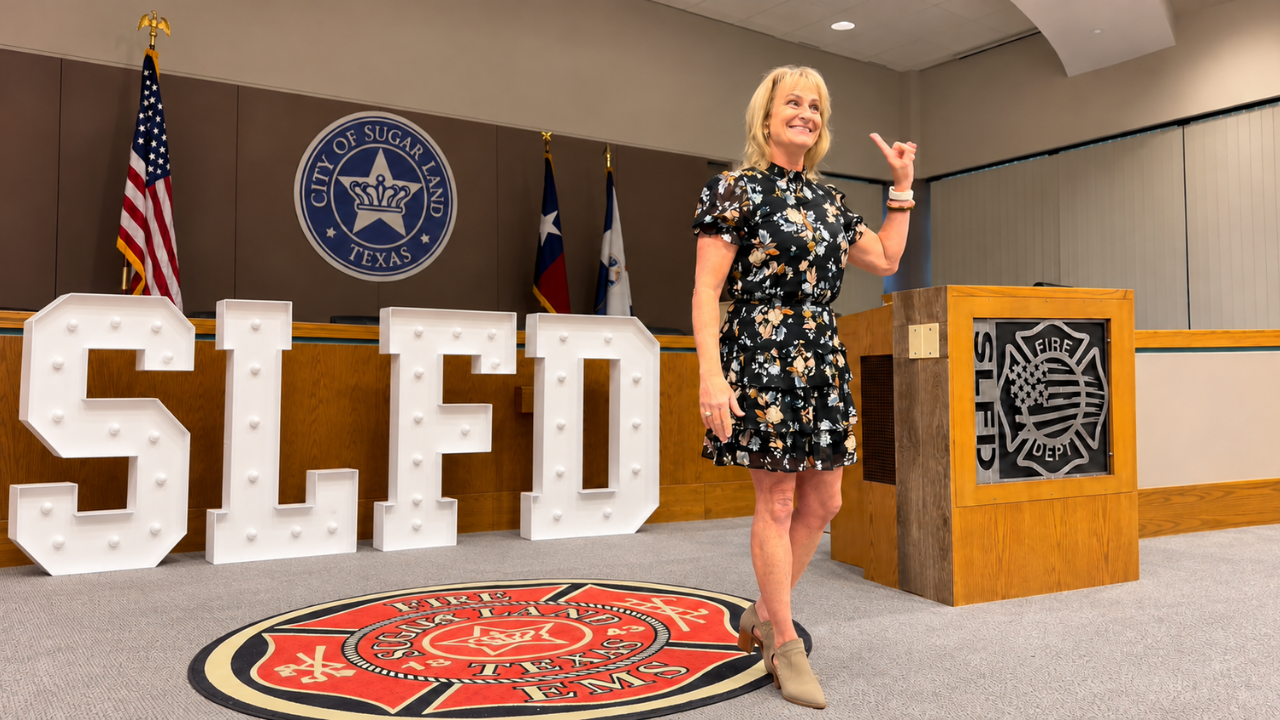
Panic or Pause? Your Next Move Matters
Pressure just entered the room.
Someone raises their voice. A phone rings with bad news. An email lands, and suddenly everyone wants an answer.
You can feel the shift. People speak faster. Someone starts defending a decision. Someone else goes quiet. The problem has barely been named, but the room is already reacting.
When pressure hits, you want me in the room.
I study human patterns under pressure. I pay attention to what people do when the stakes rise. Who rushes? Who withdraws? Who tries to control every detail? What gets said? What stops being said?
These observations matter. They help us see what is shaping a response before that response becomes a decision.
My work brings together more than 25 years of experience in fitness, wellness, organization dynamics, and leadership, along with a background in psychology.
As a private consultant, I help leaders and teams notice the patterns that can be hard to see from inside a tense situation.
Sometimes the most useful thing I bring into a room is a pause.
A moment to look at what is happening. A chance to separate what we know from what we fear. Space to choose our next move.
In my recent keynote, Human Patterns Under Pressure, I shared a family story that makes this very real.
A Knock at the Door at 2 A.M.
We were on a family vacation, staying in adjoining hotel rooms.
At two in the morning, someone knocked on my door.
“Kathie, come on. Let me in. Mom fell in the bathroom.”
An elderly family member had fallen and hit her head on the bathtub. Yes, pressure had entered the room.
“Calm down, Rhonda,” I said.
“No, no, no, Kathie. You don’t understand. It’s serious.”
I understood that it was serious. I went next door to check on her mother. She was conscious and on the floor. Emergency services had been called.
Meanwhile, Rhonda was crying.
“My mom’s gonna die. My mom’s gonna die.”
Her daughter became so upset that she went into the bathroom and threw up.
One person was hurt. Others were frightened. The situation needed care, and fear was spreading through the room.
There is no shame in being scared when someone you love is hurt. Looking back at this story, I see an opportunity to ask a useful question:
What could help us respond to the situation in front of us while we are afraid?
The Story Can Move Faster Than the Facts
Notice the jump from “Mom fell” to “Mom’s gonna die.”
The fall was known. The outcome was unknown.
That gap is where I invite people to pause.
You may recognize a version of it in your own life. A client asks for a meeting, and your mind starts preparing to lose the account. A leader seems distracted, and you wonder if your job is at risk. A family member sends a short reply, and you begin building a case about what it means.
The concern may deserve attention. But an imagined outcome can start driving your behavior before you have enough information.
Try asking yourself:
What do I know right now?
What am I adding to what I know?
What needs my attention next?
In the hotel room, emergency help had already been called. A pause could create space to listen, offer support, and respond to what was happening.
The same questions can help in a meeting. Before you defend yourself against an email, read it again. Before you assume someone is refusing to help, ask what they mean.
You may still need a firm response. You will have more information to guide it.
Peace, Power, and Presence
In my speech, I describe three things we can lose touch with under pressure: peace, power, and presence.
Peace is the room within you to think and listen, even when you dislike what is happening.
Power is your ability to choose your own next action. You may have very little control over the event. You still have choices about what you say, ask, or do.
Presence is your attention to this moment. For me, it also connects with faith and trust. It helps me return from the future I am imagining to the moment I can respond to.
When these feel far away, everything can seem urgent. We may talk over people, repeat our fears, or demand an answer that no one has yet.
A pause gives us a place to begin finding them again.
That pause can be brief. Feel your feet on the floor. Let yourself take a comfortable breath. Listen to the person speaking all the way to the end.
Then decide what comes next.
Practice Before the Stakes Get High
In this work, I use nervous system regulation to describe practices that help us settle enough to stay engaged and make a thoughtful choice.
You do not have to feel perfectly calm to begin.
Everyday frustrations offer places to practice. Traffic is a good one. The cars are stopped. You cannot move them by gripping the steering wheel harder, although plenty of us have given that method a fair trial.
Notice your pattern.
Do you argue with the traffic in your head? Blame yourself for leaving late? Imagine every problem that being late might cause?
Now try one useful action. When it is safe, let someone know you are delayed. Relax your grip. Return your attention to driving.
You have practiced noticing a reaction and choosing a response.
Other practice moments might include a changed plan, a slow checkout line, or a message you want to answer while irritated.
These moments give you a chance to learn your own signals. Perhaps your jaw tightens. Perhaps you start speaking quickly. Perhaps you feel an urge to explain everything immediately.
Those signals can become reminders to pause.
Three Principles I Bring Into the Room
My work rests on three principles: non-attachment, radical responsibility, and courage.
They give us practical ways to respond when pressure makes our choices feel narrow.
1. Non-Attachment: Release How It “Should” Be
Listen for the word should.
“They should understand.”
“This should have been settled.”
“I should have the answer by now.”
I sometimes joke that should is a dirty word. It can reveal the place where we are fighting what has already happened.
You can have standards. You can want a different result. You can address a mistake. First, though, you need to see the situation as it stands.
“This meeting is going differently than I expected. What needs attention?”
That question gives you somewhere useful to go.
For me, non-attachment includes trusting God while releasing my demand to know every step ahead. It creates room for a response I might miss while insisting that life follow my plan.
2. Radical Responsibility: Own Your Part
Radical responsibility begins with identifying what belongs to you.
Your words. Your actions. Your boundaries. Your willingness to ask a clear question.
You are responsible for your contribution to the room. Other people have responsibility for theirs.
This matters for leaders who feel they must manage everyone’s mood. You can speak clearly, listen well, and address behavior without taking ownership of every feeling someone has.
You can also repair your own response.
“I answered too quickly. Let me try that again.”
That sentence can change the direction of a conversation. It gives the people around you a clear example of accountability.
3. Courage: Act While the Outcome Is Uncertain
Courage becomes practical when you still feel afraid.
It takes courage to say, “I need more information.”
It takes courage to stop defending a plan you have worked hard on and hear a concern about it.
It takes courage to hold a boundary when someone is unhappy with you.
In my work, courage helps people take a thoughtful next step without waiting for complete certainty.
You can care deeply about the outcome and still leave room to learn.
What I Notice in Leaders and Teams
Pressure makes this work especially useful in business.
During growth, succession, a merger, or another major change, leaders may be making decisions while also managing strong personal concerns.
A founder may be used to approving every detail. A team member may avoid raising a concern. Two executives may leave a meeting with very different ideas about what was agreed.
These are examples of patterns I pay attention to. Each needs context. Silence alone does not tell me what someone thinks. A strong reaction does not tell me their motive.
I observe. I ask questions. I look for what repeats.
My years in corporate wellness gave me a valuable view of workplace life. I worked with people across different roles and levels. I learned to listen for the pressures behind a conversation and notice where communication became strained.
Today, I bring that experience into private consulting.
I optimize. I don’t diagnose.
I help make patterns visible so leaders can decide what needs to change. That might mean a clearer conversation, a firmer boundary, or a closer look at how a decision is being made.
Bring This Into Your Next Pressure Moment
Think of a situation you are facing now.
Before your next response, ask: “What pattern am I about to repeat?”
Perhaps you tend to rush, withdraw, overexplain, or take on work that belongs to someone else.
Notice it without turning it into a judgment about yourself. Then ask: “What would be useful here?”
That is where awareness becomes a choice.
Watch my keynote, Human Patterns Under Pressure, in the video included with this article. As you watch, consider where you recognize your own response to pressure.
Book a Conversation With Me
If you are facing a difficult decision, a tense team dynamic, or a transition that keeps bringing the same patterns to the surface, book a conversation with me.
We can discuss what is happening, what you want to change, and whether my private consulting work is a fit.
When pressure hits, you want me in the room. I bring observation, clear questions, and the willingness to pause long enough to see what needs attention.
You can also explore:
Bring Human Patterns Under Pressure to your next event or leadership gathering.
Learn more about my work with leaders and teams.

#HumanPatternsUnderPressure #LeadershipUnderPressure #NervousSystemRegulation #NonAttachment #KathieOwen
Read More Articles from Kathie


Transcript
Pressure just entered the room. How do you respond? Think about that for a second We have patterns that we rely on when pressure hits. I study human patterns under pressure. I'm somebody you want in the room when pressure hits, and here's why. Because I teach leaders and teams and my friends and colleagues how to respond to pressure. And the first thing you wanna do is you want to pause. Because when pressure hits, our brains don't like it. It becomes uncertain, and we do not like uncertainty. Our brains are wired that way As I said, I study human patterns under pressure, and I've studied patterns all my life. I study psychological patterns, and we all have these patterns that play out when pressure hits. One of my best examples of a pressure situation is in my speech titled Calm Down, Rhonda. And I'm going to give you little elements of that speech because it is a perfect example of what happens when pressure hits and how our brains typically respond. So we're on vacation, and we're a big family all together, and we have hotel rooms that are adjoined. So, you know, they're, they're right next to each other 2:00 in the morning comes. There's a knock on the door. "Kathie, come on. Let us in. Let me in. Mom fell in the bathroom." Oh my God. I answered the door. Talk about pressure. An elderly woman had fallen in the bathroom and hit her head on the bathtub. Yes, pressure entered the room. I said, "Calm down, Rhonda." She was panicking. Urgency had hit the room. It was her mother, of course. Told her to calm down. "No, no, no, Kathie, you don't understand. It's serious. It's serious." I understood. I go to the next room to check on her, and she was conscious, and she was on the floor, and the EMS had been called. But over here was her daughter sitting in the chair crying, "My mom's gonna die. My mom's gonna die. My mom's gonna die." Not only that, she sent her daughter into a spiral that sent her to the bathroom and she was throwing up Had there been a pause in each situation, you would've been able to observe your own pattern under pressure. That would've been a lot more powerful place to be. When pressure hits, we lose three things. Usually, it's first our peace, then our power, and then we lose our presence, and I tie our presence to right here, your higher being, your higher self, whatever. And if you've lost that, you've lost nervous system regulation on steroids. It's like, holy crap. So how do we get that back? How do we regulate our nervous system? First of all, we've gotta practice nervous system regulation in regular situations, in low pr- low pressure situations like traffic Or just a situation at home where your dog is running off and everybody's going crazy and everything like that. Practice, practice, practice, 'cause practice is gonna make you a respondent to the pause Because inside the pause, you have awareness. You get in touch with that presence, and that presence gives you a choice to respond in a better way. Think about that for a second. Respond in a better way? Yes. You're not gonna be crying, "My mom's gonna die. My mom's gonna die." You're gonna be able to re- respond better so you don't send your daughter into a spiral that sends her into the bathroom and throwing up because guess what? When we respond in a dysregulated way, it is very contagious. Very, very contagious. It's just human reactions. So let's respond in a calm way. I have three elements that I use to help people learn how to respond in a way that will regulate your nervous system. Number one is non-attachment. Release attachment to how you think things should be. I say should is a dirty word. Once you're saying should in your mind, you're telling God, the higher being, the universe, it should not be this way. Well, guess what? He said it is. Let's respond with presence. I'm not gonna be attached. I'm gonna trust Number two, radical responsibility. 'Cause guess what? It takes radical responsibility to go, "Okay, I'm gonna be calm. I'm gonna be calm. This is a scary situation." EMS people are trained to handle this this way. But when you practice it and take responsibility... Let's say you're stuck in traffic. "Okay, I can't do anything about this. I'm just gonna trust that I'm running on God's time, and I will get there when I'm supposed to get there." And number three, it's gonna take courage. And I think courage is probably the biggest element in all three of them, because courage elevates you to a regulated nervous system because you're gonna be going, "I got this. I can stand on stage and tell my speech just like I'm supposed to, because I'm trusting my presence, my power, and my peace, and I'm holding it with all I got, and I'm trusting it." So the next time pressure hits the brew, how are you going to respond? Madam Toastmasters.

Explore human patterns under pressure with private consultant Kathie Owen. Learn how a pause, nervous system regulation, non-attachment, radical responsibility, and courage can support clearer choices at work and at home. Watch the keynote and book a conversation.
#HumanPatternsUnderPressure #KathieOwenKeynote