
What If There’s Another Door?Pressure Is Hiding Your Options
The Choice You Can’t See Yet
Sometimes the biggest problem isn’t that you don’t know what to do.
It’s that you’ve already decided what your choices are.
Stay or leave.
Speak up or stay quiet.
Push harder or give up.
Fix it or lose it.
Take the job or turn it down.
Save the relationship or end it.
We do this all the time.
Something happens. Pressure enters the room. And almost instantly, the mind starts building a tiny menu of options.
Here are your choices. Pick one.
Then we stare at those choices.
We analyze them.
We worry about them.
We ask other people what they would do.
We make lists.
We wake up at 2 a.m. thinking about them.
And eventually, we become convinced that if we could just figure out which choice is right, the pressure would disappear.
But there is another possibility.
What if the choice you need isn’t on the menu yet?
That is where things get interesting.
Because sometimes the most powerful thing you can do under pressure is not choose faster.
It is to become aware enough to see more.
Pressure Changes What You Can See
I study human patterns under pressure.
And one thing I have observed again and again is this:
Pressure narrows perception.
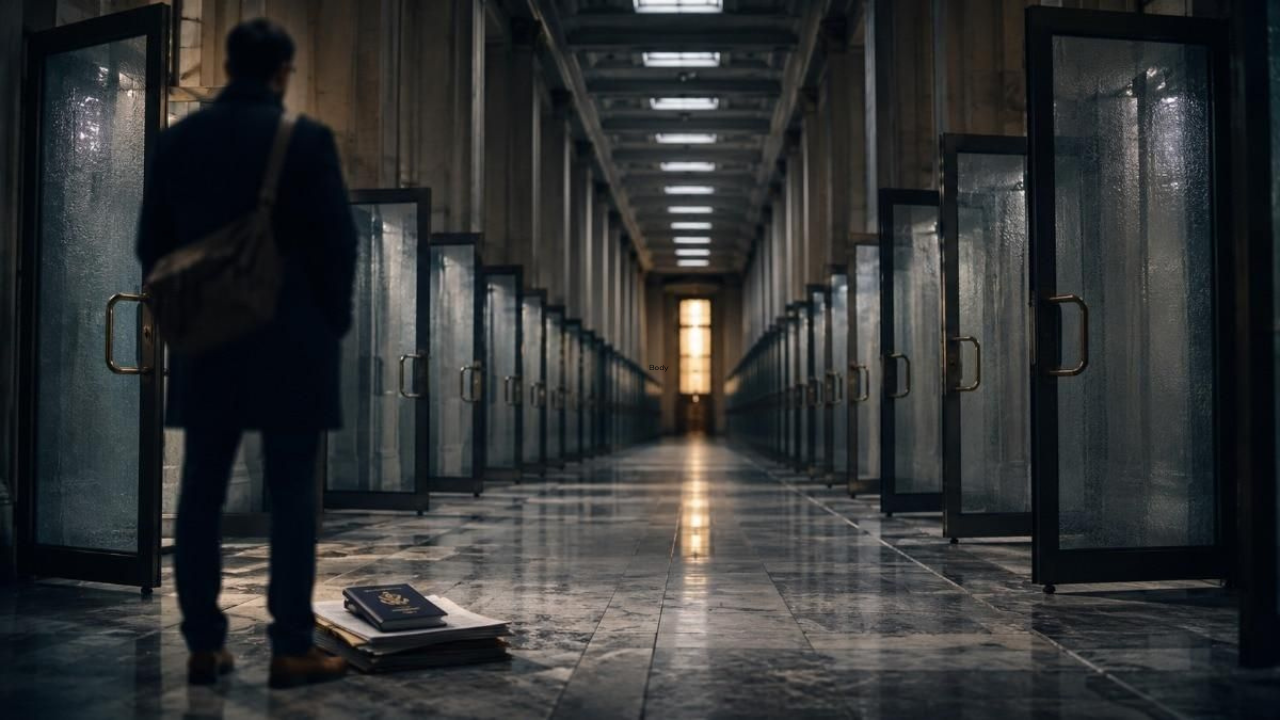
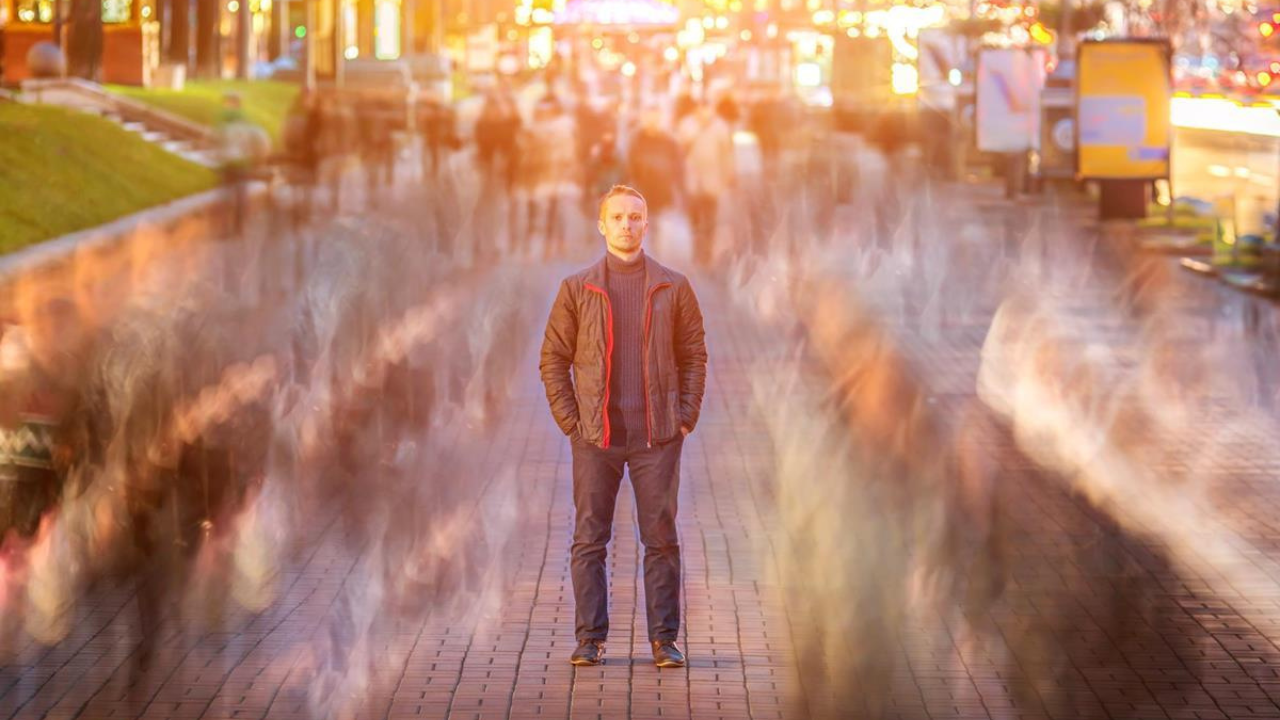
Imagine standing in a long hallway with ten doors.
Every door leads somewhere different.
Then something happens.
You receive a difficult email.
A client changes their mind.
Your business slows down.
Your partner says something unexpected.
A deal begins to fall apart.
An employee quits.
Someone doesn't call.
The future suddenly looks uncertain.
Your nervous system reacts.
And that hallway with ten doors?
It suddenly looks like it has two.
Do something.
Or:
Lose something.
That's when our patterns tend to take over.
The person who defaults to control starts controlling.
The person who takes too much responsibility starts fixing.
The people pleaser starts managing everyone's emotions.
The perfectionist starts searching for the perfect answer.
The person who withdraws starts looking for an exit.
The emotional avoider may act as though nothing is happening at all.
We think we're making a decision about reality.
But sometimes we're making a decision from inside a pattern.
That's an important distinction.
Because the pattern changes what we can see.

This Is Why the Pause Matters
I've been talking quite a bit lately about uncertainty, non-attachment, and what I call being stuck in the pause.
The pause can feel awful at first.
Nothing has been decided.
Nothing has resolved.
The answer hasn't arrived.
We don't know what happens next.
Our old patterns hate this.
They want certainty.
Tell me what this means.
Tell me what to do.
Tell me how this ends.
And preferably, tell me right now.
But the pause serves a purpose.
The pause creates a tiny space between what happened and what you do next.
And inside that space, something becomes possible:
Awareness.
Instead of immediately reacting, you can observe.
What happened?
What am I feeling?
What story am I telling myself?
What do I actually know?
What am I assuming?
What pattern is showing up?
And then comes one of my favorite questions:
What might I not be able to see yet?
Notice what that question does.
It doesn't demand an answer.
It creates room for one.
That is very different.
Welcome to the Space of Variations
This is where one of the ideas I study from Vadim Zeland's Reality Transurfing becomes fascinating.
Zeland describes what he calls the Space of Variations.
At a very basic level, the concept points toward many possible versions of events and outcomes rather than one fixed path that must unfold exactly as we expect.
There are possibilities.
Variations.
Different paths.
Different outcomes.
I study the principles of Reality Transurfing extensively, but I also like bringing these concepts down to earth and looking at how they intersect with human behavior.
Because you don't have to understand every metaphysical idea in Reality Transurfing to experiment with a very useful question:
Could there be possibilities available to me that I cannot currently see?
Absolutely.
In fact, you experience this in ordinary life all the time.
Think about a problem you had five years ago.
At the time, it may have felt enormous.
You could probably see only a few possible outcomes.
Today, looking backward, you can see things you couldn't see then.
People appeared.
Circumstances changed.
You changed.
Information arrived.
An opportunity opened.
Something you desperately wanted didn't happen, and something else eventually took its place.
The possibilities weren't necessarily visible from where you were standing.
And that's the important part.

Awareness Creates Choice
This is where Human Patterns Under Pressure and the Space of Variations meet.
I think of it like this:
Pressure → Pattern → Pause → Awareness → Choice → Possibility
Pressure activates the pattern.
The pattern narrows your perception.
The pause interrupts the automatic reaction.
Awareness helps you see what is actually happening.
And awareness creates choice.
Now something new becomes possible.
You don't have to choose from the same two doors your fear handed you five minutes ago.
There may be another door.
Or five.
Maybe there isn't even a decision to make yet.
That alone can completely change the way we experience uncertainty.

Non-Attachment Makes the Room Bigger
This is also why I talk so much about Non-Attachment.
People sometimes confuse non-attachment with not wanting anything.
That's not how I see it.
I can want something deeply.
I can prefer an outcome.
I can work toward it.
I can care.
I can love.
I can build.
I can dream.
But I don't have to turn my preference into a demand.
There's a big difference between:
I really want this to happen.
And:
This must happen or something has gone terribly wrong.
The second statement closes doors.
Now I'm attached to one variation.
One person must behave a certain way.
One deal must close.
One job must work.
One timeline must unfold.
One relationship must survive.
One opportunity must become the opportunity.
And once I decide that, I stop looking around.
Non-attachment doesn't kill desire.
It loosens the grip.
I prefer this. And I am willing to see what else is here.
The room just got bigger.
Radical Responsibility Shows You What Is Yours
Then comes another principle I teach:
Radical Responsibility.
This is not about blaming yourself for everything that happens.
It is about recognizing what actually belongs to you.
Your choices?
Yours.
Your behavior?
Yours.
Your boundaries?
Yours.
Your words?
Yours.
Your willingness to ask a question?
Yours.
Someone else's reaction?
Not yours.
Someone else's emotional regulation?
Not yours.
Every variable in the future?
Definitely not yours.
When we try to take responsibility for things we cannot control, we use enormous amounts of energy trying to manage reality.
And that makes it harder to see.
Radical Responsibility brings our attention back to the place where we actually have power.
What is mine to do now?
Not next month.
Not after I know how everything turns out.
Now.

Courage Moves Without a Guarantee
Then comes Courage.
This is the part people sometimes skip.
Awareness is wonderful.
But eventually, awareness may ask something of you.
You might see another door.
And then you have to decide whether you're willing to open it.
Maybe you need to ask the uncomfortable question.
Maybe you need to stop chasing someone.
Maybe you need to make the phone call.
Maybe you need to admit that something isn't working.
Maybe you need to stop rescuing.
Maybe you need to say no.
Maybe you need to say yes.
Maybe you need to wait.
Or maybe you need to take one small step without knowing where the entire road leads.
That's courage.
Courage is not certainty.
If certainty were guaranteed, courage wouldn't be necessary.
And this is where my three principles work together:
Non-Attachment: I don't demand one outcome.
Radical Responsibility: I recognize what is mine.
Courage: I take the next honest step.
You don't need the whole map.
You need enough awareness to recognize the next step.

BONUS: The Three-Door Practice
Here's something you can try the next time pressure narrows your world.
When your mind tells you that you have only two choices, don't immediately pick one.
Pause.
Write down:
Door #1: What is the first obvious choice?
Door #2: What is the opposite choice?
Then leave this one blank:
Door #3: ____________________
Don't fill it in immediately.
That's the practice.
Observe.
Walk.
Breathe.
Sleep on it.
Gather more information.
Ask a better question.
Regulate your nervous system.
Let reality continue giving you information.
Door #3 doesn't have to appear on command.
In fact, trying to force Door #3 can become another form of control.
The blank space is intentional.
You're teaching yourself something very simple:
The choices I can see right now may not be all the choices that exist.
And sometimes Door #3 won't even be another choice.
It may be:
I don't have to decide yet.
That is a variation, too.
This Week, Watch for the Hallway
Pay attention this week when something puts you under pressure.
Notice the moment your mind starts closing doors.
Notice when it tells you:
This has to work.
I need an answer.
I have to fix this.
There are only two options.
Don't fight the pattern.
Observe it.
Then ask:
What do I actually know?
What belongs to me?
What am I assuming?
And:
What might I not be able to see yet?
You don't need to find the answer.
You are simply creating enough space to recognize it when it appears.
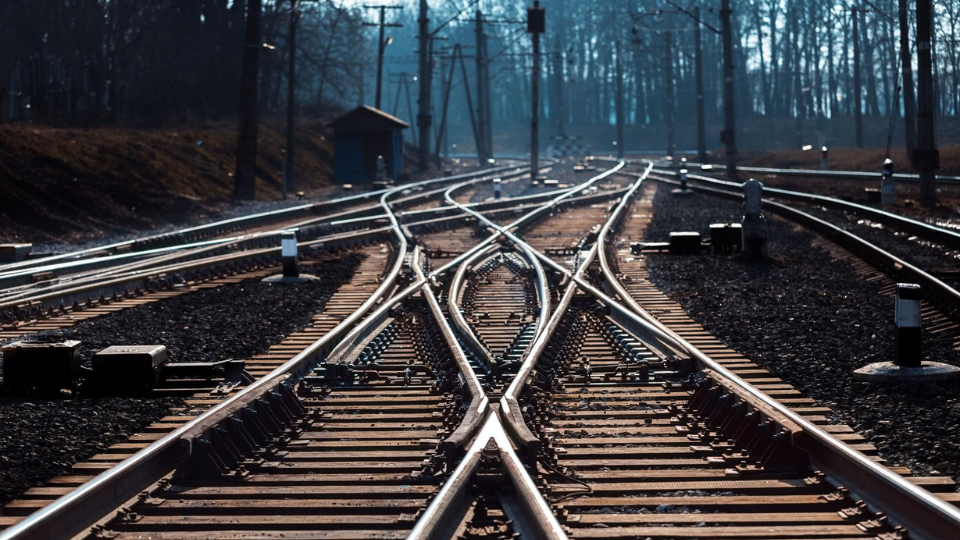
Because sometimes awareness doesn't show us which door to choose.
Sometimes awareness shows us that there were more doors than we realized.
When You Need Another Set of Eyes
And maybe you're reading this because there is something happening in your world right now.
You know something feels off.
You can see pieces of the pattern.
But you're too close to it to see the whole thing.
It might be happening in your business.
Your leadership team.
A transition.
A relationship.
Your work.
A decision.
Or a season of your life that doesn't fit neatly into a category.
This is the work I do.
I'm a consultant who studies human patterns under pressure. I help people see what may be difficult to see from inside the situation.
I don't start with a predetermined program and try to fit you into it.
I start with a conversation.
We look at what is happening.
We identify what you're trying to understand or solve.
And we determine whether my work can help.
If it can, we decide what the work needs to look like from there.
If something in this article made you think, “I need another set of eyes on this,” start a conversation with me.
Use the calendar link below.
You don't need to know exactly what you need before you arrive.
That's part of what the conversation is for.
Maybe the next choice is one you haven't seen yet.
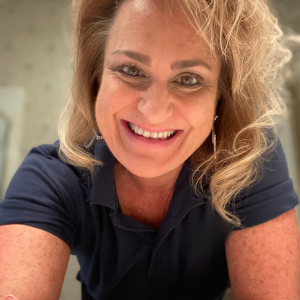
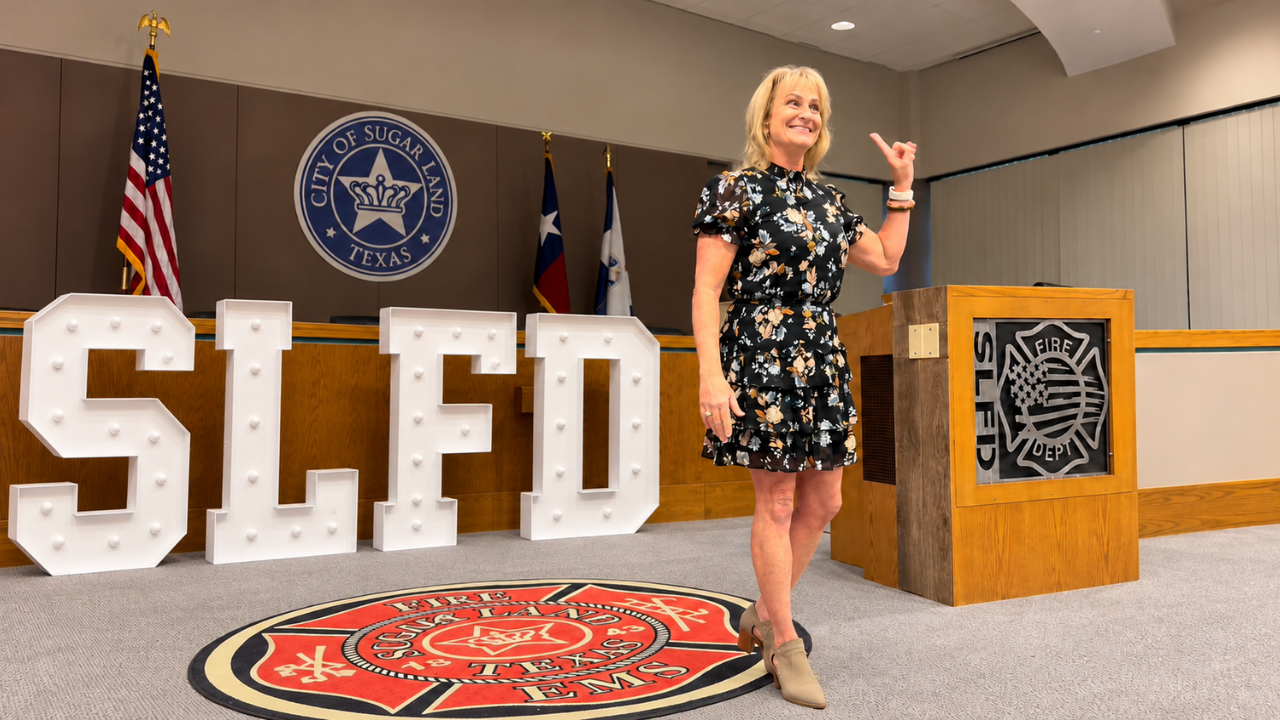
About Kathie Owen
Kathie Owen is a consultant, author, speaker, and host of The Kathie Owen Perspective.
With a background in psychology, leadership, corporate wellness, fitness, emotional regulation, and human behavior, Kathie has spent decades observing what happens to people when pressure enters the room.
Her work explores Human Patterns Under Pressure and the subtle behaviors that affect leadership, relationships, decision-making, teams, and organizational durability. She works with individuals, founders, executives, and organizations to uncover patterns that may be difficult to recognize from inside the system.
Her approach is grounded in three principles: Non-Attachment, Radical Responsibility, and Courage.
Kathie is also the author of Human Patterns Under Pressure, and The Truth Bubbles Up and extensively studies Reality Transurfing and the work of Vadim Zeland, bringing those ideas into practical conversations about awareness, choice, uncertainty, and human behavior.
Her consulting begins with curiosity rather than a predetermined solution.
See something you can't quite make sense of? Start a conversation with Kathie.
Read More Articles from Kathie
Transcript
What if the answer you're looking for isn't one of the choices you can currently see? Think about that for a second. Because when we're under pressure, we have a tendency to do something very strange. We narrow the field. We tell ourselves, "I can do this," or, "I can do that. I can stay," or, "I can leave. I can say something," or, "I can keep my mouth shut. I can fix it," or, "I can walk away." And pretty soon we're staring at two doors, maybe three, trying desperately to figure out which one is right. But what if there's another door? What if there's an option you can literally cannot see yet because you're too busy trying to choose? That's what we're talking about today. Welcome to the Kathie Owen Perspective podcast. My name is Kathie Owen. I am a consultant, author, and speaker, and I study human patterns under pressure. I work with people and organizations during moments when things aren't quite as clear as we'd like them to be. Leadership, relationships, business, transitions, uncertainty. Those moments fascinate me because pressure reveals patterns, and once we can see the pattern, something very important happens. We have a choice. I've spent years studying psychology, human behavior, emotional regulation, leadership, and the patterns people fall into when pressure enters the room. I also extensively study the principles of Reality Transurfing from the books by Vadim Zeland, and there's one concept from Reality Transurfing that fits beautifully with what I've been talking about lately. It's called the space of variations. Now, I'm not gonna turn this into a Reality Transurfing lecture because I want to show you how incredibly practical this idea can be, especially when you're under pressure. Imagine you're standing in a room. There are 10 doors around you, but then something happens. You get the text, you lose the client, someone gets angry, the deal changes, your boss calls you into the office, someone you love pulls away. Something doesn't happen when you expected it to happen. Pressure enters the room, and suddenly you don't see 10 doors anymore. You see two. Fight or leave. Fix it or lose it. Say something or stay quiet. Control it or let everything fall apart. This is where our human patterns under pressure become so important because we're not necessarily seeing reality clearly anymore. We're seeing reality through the pattern. The person moves towards control sees something to control. The person who over-functions sees something to fix. The people-pleaser sees someone they need to make happy. The person who withdraws sees something they need to escape. The perfectionist sees something they need to get exactly right. Same room, different pattern, different reality. And here is the problem. We often make major decisions from inside that narrowed state. If you've listened to my recent episodes, you've heard me talk a lot about the pause. I've talked about uncertainty. I've talked about non-attachment. I've talked about what happens when we stop trying to force what happens next. This is where all of those ideas start coming together, because the pause isn't just about calming down. It's not doing nothing. The pause interrupts the automatic pattern. Something happens. There's the stimulus. Your nervous system reacts. Your old pattern says, "Go, fix this, control this, explain yourself, send the text, make the decision, get the answer, make this uncertainty go away." And instead, you pause. Not forever, just long enough to observe. What's happening? What am I feeling? What story am I telling myself? What do I actually know? What am I assuming? And here's the big one. What am I not seeing because I'm under pressure? That question can change everything, because the moment you can observe the pattern, you are no longer completely inside of it. Awareness creates space, and space creates choice. This is where Vadim Zeland's concept of the space of variations becomes interesting. In Reality Transurfing, Zeland describes a space of variations containing possible versions of events and outcomes. There are many possible paths, many possible outcomes, many possible variations, and I think there's an incredibly useful way to apply that to everyday life. You don't have to know every possible outcome. You don't have to figure out which reality you're going to jump into. You don't have to sit there trying to mentally engineer the universe. That's just another form of control. Instead, consider this. What if there are possibilities available to you that you cannot see from your current emotional position? Now we're getting somewhere, because when I'm attached to one outcome, my field gets very, very small. This must happen. This person must respond. This deal must close. This job must work. This relationship must survive. This plan must succeed. This person must understand me. This is the only way. And suddenly, the space of variations might as well contain a billion possibilities. I can't see them. I'm staring at one. This is why non-attachment matters so much, and I want to be very clear about something I have said before. Non-attachment does not mean you don't want anything. You can have desires. You can have goals. You can want the relationship. You can want the win. You can want the business. You can want the opportunity. You can want the outcome, but the desire doesn't have to become certainty, and certainty doesn't have to become control. I can say, "This is what I prefer," without saying, "This is what must happen." That tiny shift creates space, and once there's space, something else becomes possible. Curiosity. Maybe there's something I haven't considered. Maybe this delay is showing me something. Maybe this person's behavior contains information. Maybe the opportunity I thought I needed isn't actually the opportunity. Maybe I don't have enough information yet. Maybe I don't need to make this decision today. Maybe there is another door. This is also where radical responsibility enters the picture because non-attachment does not mean sitting on the couch waiting for the universe to deliver your life. You still have choices. You still take action. You still have conversations. You still make decisions. You still set boundaries. You still do the work. You simply stop assuming you're responsible for controlling everything around your action. Radical responsibility asks, "What is actually mine here? My behavior? Mine. My words? Mine. My decision? Mine. Someone else's reaction? Not mine. The exact outcome? Not mine. The timing? Often not mine. Every possible variation? Definitely not mine." And when I stop caring what isn't mine, I have more capacity to see what actually is. Then comes courage, and this part matters because sometimes you pause, you observe, you release the outcome, you see another possibility, and then you have to do something uncomfortable. Yeah, that's courage. Maybe the new variation requires you to say no. Maybe it requires you to ask the question. Maybe it requires you to stop chasing. Maybe it requires you to have the conversation you've avoided. Maybe it requires you to admit you don't know. Maybe it requires you to walk through a door without knowing exactly what's on the other side. Courage is not certainty. Actually, courage becomes necessary precisely because certainty is not available. That's why these three principles work together. Non-attachment: I do not have to force one outcome. Radical responsibility: I recognize what's mine belongs to me. Courage: I take the next honest step. And look what just happened. The room got bigger. You know, you may not need the answer yet. This is the part I think we miss. Sometimes we believe awareness is supposed to immediately give us an answer. It does not. Sometimes awareness simply shows us the answer I thought I needed is not the only answer, and that is enough. Because maybe the next step isn't making a decision. Maybe the next step is gathering information. Maybe it's asking a question. Maybe it's sleeping on it. Maybe it's observing what happens next. Maybe it's doing absolutely nothing today. Not because you're avoiding reality, but because reality is still giving you information. There's a huge difference. The pause is not empty. The pause may be where possibilities become visible So this week, I want you to observe something. The next time you feel pressure and your mind gives you two choices, stop. Before you pick a door A or door B, ask yourself, "What pattern am I in right now?" Then, "What do I actually know?" And finally, "What might I not be able to see yet?" Don't force yourself to invent door C. That's important. You don't need to manufacture another answer. Just leave space for one to appear. That's the practice. And if you wanna go deeper into this, I've created a companion article for this episode where I'll explore the space of variations, human patterns under pressure, and how the pause can change what becomes available to us. You'll find that linked in the show notes and description below, and in the first comment on YouTube, because it's easy to find. But before I go, I wanna make another invitation, because maybe while you've been listening to this, you've been thinking about something specific: a leadership problem, a transition, a relationship, your business, a decision you can't quite make sense of. Maybe you're close enough to the situation that you can feel something is happening, but you can't quite see the pattern. This is what I do. I see human patterns under pressure. I help people make sense of what they're seeing so they can recognize what is theirs, see choices they may be missing, and determine what comes next. And my consulting work is not one size fits all. I don't assume I know what you need before I've heard what's happening. We start with a conversation. If there's something you're navigating and you'd like another set of eyes on it, I've included a link to my calendar. Start a conversation with me, and we'll start looking at what's happening. We'll see what we see, and we'll determine whether there's a way I can help. No cathedral required. Sometimes we just need to notice there was another door in the room all along. I'll see you on the next episode of the Kathie Owen Perspective podcast.

Discover how resentment affects your nervous system and how forgiveness can help you release tension. Kathie Owen explores rumination, Reality Transurfing, and simple practices to redirect your attention, ease stress, and return to the present moment.
#Resentment #Forgiveness #NervousSystemRegulation #RealityTransurfing