
Resentment Is Keeping the Argument Alive

Article summary
Explore how resentment and angry rumination can prolong stress. Kathie Owen shares forgiveness practices, Reality Transurfing insights, and simple ways to shift your attention and return to the present. #Resentment #Forgiveness #NervousSystemRegulation
How Resentment Keeps Your Body on Edge
The meeting ended hours ago. You are still making your case.
You are washing a plate, standing in the shower, or trying to fall asleep. Meanwhile, a courtroom has opened inside your head.
You call your first witness. You present the evidence. You deliver the perfect speech about what someone did and why it was wrong.
There is just one problem.
The other person is not in the courtroom. You are the one spending the evening there.
Your jaw tightens. Your shoulders creep up. The conversation is over, but you feel worked up again.
That is one way resentment sneaks into our lives. It can start with a real hurt. Then it keeps asking for another minute of our attention.
I know that courtroom well. I also know what it feels like to begin walking out of it.
What resentment has to do with your nervous system
Resentment is the hurt or anger we continue to carry about something that feels unfair.
Maybe someone took credit for your work. Maybe you lost a role you loved. Maybe an email left you feeling dismissed.
The event matters. So does what happens when you replay it.
Researchers use the word rumination for repetitive thinking that keeps circling the same distress. It can feel like solving a problem, even when you keep reaching the same painful place.
Research on angry rumination has found that it can delay blood pressure recovery after emotional stress. This helps explain why replaying a grievance can make it harder to settle after an upsetting event. PubMed
That finding does not tell us what every resentful thought does to every body. It does give us a reason to pay attention to the replay.
For me, the clue is tension. I can feel myself getting worked up as I return to what happened and why it should have been different.
Ask yourself:
What happens in my body when I rehearse this story?
You are gathering information. There is no need to turn that question into another reason to criticize yourself.

Where your attention goes, your energy flows
I return to this idea often:
Where my attention goes, my energy flows.
Think of energy here as the effort, time, and focus you give something.
If you spend an hour rehearsing an old argument, that hour has gone somewhere. You may have wanted to rest, enjoy dinner, or work on an idea. Instead, your attention went back to the grievance.
You cannot always choose the first thought that arrives. You can practice choosing what you do when you notice it.
There is a useful question here:
Am I finding a next step, or am I holding another trial?
A next step might be setting a boundary, asking a clear question, or writing down what you need.
Rehearsing the same argument for the twelfth time may give you very little new information.
Once you notice the difference, you have somewhere to begin.
Reality Transurfing and the pendulum’s pull
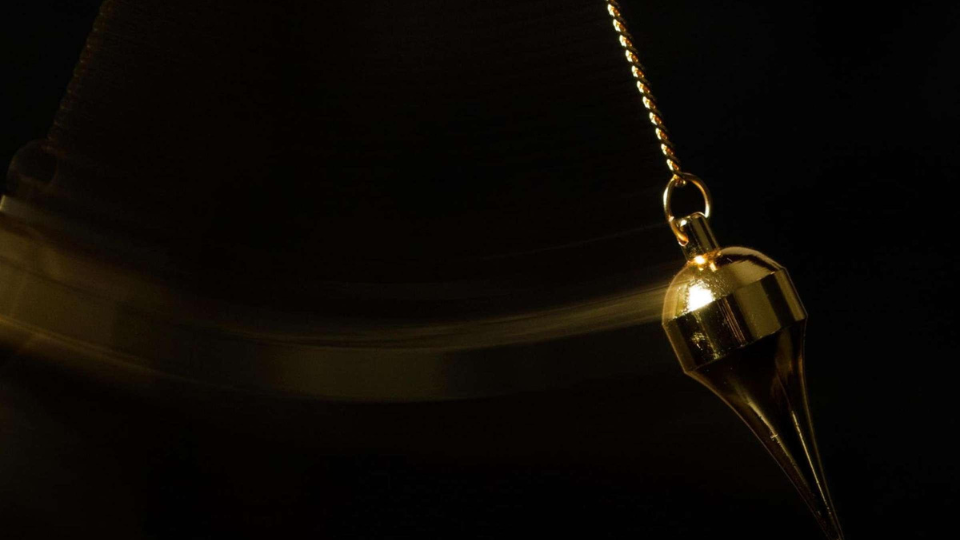
In Reality Transurfing, Vadim Zeland describes pendulums as structures sustained by shared attention and emotional involvement. I use this spiritual framework to explore how conflicts and group patterns can pull us into repeated reactions.
Picture a workplace disagreement.
One person makes a remark. Someone else repeats it. Soon, several people are checking messages, taking sides, and preparing their replies.
The conflict begins to organize everyone’s attention.
Even at home, someone may still be composing tomorrow’s argument.
That is the pull I connect to resentment. We want peace while continuing to give the conflict more of our focus.
The pendulum concept gives me a way to notice that pull. The stress research offers a separate way to understand the cost of rumination.
Together, they prompt a practical question:
What response would help me step out of this pattern?
Sometimes an unexpected response helps. A sincere wish for peace. A little lightness. The moment you catch yourself and think, “Well, here I am, holding another meeting about it.”
That small smile can create room for a different choice.
Practice human patterns under pressure in small moments
Traffic is one place I have practiced for years.
Someone cuts me off. I notice the first flash of irritation. Then I offer a prayer or send goodwill.
I include that driver and all the cars around me. I wish everyone safety. I wish everyone a little more peace on the road.
When I mean that prayer, I notice tension begin to leave my body.
My attention expands. I remember there are people in those cars, carrying stories I know nothing about.
Another car may speed past. I notice behavior that looks like urgency. I can observe the speed and sudden movement while recognizing that I do not know the driver’s situation.
Then I turn my attention inward.
What pattern is showing up in me?
This is part of Human Patterns Under Pressure. Small moments give us chances to notice our responses and practice another way of meeting pressure.
My chosen practice is forgiveness.
Sometimes the shift comes quickly. Sometimes I return to it several times.
Forgiveness gives my attention somewhere else to go
My forgiveness practice often begins with a prayer.
Yours may begin with a quiet intention, a forgiveness meditation, or a practice such as Ho’oponopono.
You might simply say:
I am willing to loosen my grip on this today.
Start with words you can say honestly. Willingness is a place to begin.
For me, sincerity matters. I notice a difference when I truly wish someone peace. That is my experience, rather than a promise that everyone will feel relief right away.
Forgiveness can also sit alongside a firm boundary.
You may still need a conversation, a decision, or distance from a situation. You can work toward those steps while practicing release of the mental argument.
The question becomes:
How much resentment do I want to carry into my next choice?
Turning the other cheek and choosing your focus
Jesus’ teaching about turning the other cheek appears in Matthew 5:39. In my own practice, I connect it to choosing how I meet an offense. biblehub.com
I can pause. I can offer a prayer. I can create room between the offense and my response.
Philippians 4:8 gives me a direction for my attention. It points toward what is true, honest, just, pure, lovely, and worthy of praise. Bible Gateway
The word true matters to me.
Something may have hurt. I can acknowledge that truth.
I can also notice a person who supports me, a task I care about, or a good thing available today.
Attention is like a garden. When I notice myself watering the same grievance again, I can pause and tend to something I want to grow.
The story behind The Truth Bubbles Up

These practices developed through my own life. That journey is part of why I wrote The Truth Bubbles Up.
The book is my hero’s journey. It explores the patterns I began to see and the truths I had to face through a long custody battle, anxiety, and losing a job I loved.
Over time, those experiences helped shape the principles I teach:
Non-attachment.
Radical responsibility.
Courage.
They also shaped my understanding of power, presence, and peace.
If you want to understand the lived experience behind this work, learn more about The Truth Bubbles Up.
When the resentment comes from a deeper hurt
I loved that job.
Losing it brought resentment toward certain people and the circumstances surrounding what happened.
Releasing it took practice.
Even years later, a memory can bring up a familiar feeling. I find another little pocket of resentment asking for my attention.
When that happens, I return to the practice.
I notice what I am holding. I offer the prayer. Sometimes I meditate on it. I work on releasing the grip it has on my attention.
As it softens, I can see more of what I learned. I can give more thought to the life I am living now.
The history stays the same. My relationship with it can change.
A returning feeling gives me another moment to practice. I can meet that moment with patience.
A simple resentment practice for today
Choose a small frustration to begin. Find a moment when you can pause safely.
1. Notice the replay
What argument keeps returning?
Name it simply:
“I am replaying that email.”
Or:
“I keep thinking about what happened in that meeting.”
Naming it helps you notice what you are doing with your attention.
2. Notice your body
Is there tension in your hands, jaw, or shoulders?
What do you feel right now?
You do not have to force anything to change. Begin by noticing.
3. Name a useful next step
Is there a question to ask, a boundary to set, or a decision to make?
Perhaps you need to write a clear reply. Perhaps you need time before you respond.
Give yourself one practical step you can take.
4. Offer an honest intention
Pray. Wish someone well. Or say:
“I am willing to put this down for a moment.”
Choose something that feels sincere enough to practice.
For me, it may take several prayers. Sometimes I sit in meditation and return to that intention again.
5. Give your attention a direction
Return to your work. Take a walk. Spend time with a pet. Focus on a goal that matters to you.
As resentment loosens, your attention needs somewhere to go.
Afterward, notice what changed. It may be a small shift. It may take more time.
I sometimes return to the practice many times. Each return is a chance to choose where my attention goes next.
What will you give your attention to now?
Once resentment loosens, there is space to fill.
I like to turn toward my vision, my work, nature, or a possibility I want to explore. In meditation, I practice returning to peace and gratitude.
My three principles become practical here.
Non-attachment helps me loosen my grip on how I think someone should have behaved.
There is that word again: should.
Radical responsibility asks me to own my response and my next action.
Courage helps me try something different when part of me still wants to argue.
You can begin with today.
How are you feeling in this present moment? What needs your care? What deserves your attention?
The courtroom in your mind may call another session.
When you notice it, you have an opportunity to pause, offer a little goodwill, and return to the life in front of you.
About the author

Kathie Owen is a private consultant, speaker, and author of The Truth Bubbles Up and Human Patterns Under Pressure.
Her work draws on more than 25 years in fitness, wellness, organizational dynamics, and leadership, along with her own journey with anxiety. She helps people and organizations recognize patterns under pressure and practice non-attachment, radical responsibility, and courage. She also hosts The Kathie Owen Perspective podcast.
Interested in speaking, consulting, or individual coaching? Have a conversation with Kathie. Use the calendar link below to explore what support could look like for you.
Read More Articles from Kathie



Transcript
In today's episode, we are gonna talk about resentment, and this is something we all can encounter in our journeys of life. And as I talk about in Human Patterns Under Pressure, I talk about practicing with the small things, like practice in traffic when pressure hits. And so today's episode is going to be how to handle resentment when it hits your life, because we want to handle that in a way that's going to empower us rather than take away our peace. So think about this. Someone cuts you off in traffic, and a few seconds later they are gone. But how long do they stay in your body? Think about that for a minute. How long are your hands tight on the wheel? How long are you replaying what they did, and how much of your drive do they get to occupy even though you will probably never see them again? I started noticing something about myself in traffic, and this happened many, many years ago. When I started offering positive vibes, or some call it prayer, for that driver, the tension in my body began to leave. And I didn't stop with that one car. I sent positive vibes and prayers for all the cars around me, for everyone to arrive safely, for a little more peace on the road. And I've done this for years, and I've also done it on the big things as well, and that's what we're gonna talk about today. Because it changes how we experience that drive, and let's face it, our entire life. And that is what I wanna talk about today, resentment. What happens when we keep feeding it with our attention. You know, where your attention goes, your energy flows. And how a forgiveness practice can help us begin to release it. Welcome to the Kathie Owen Perspective podcast. My name is Kathie Owen. I am a private consultant and coach and the author of The Truth Bubbles Up and Human Patterns Under Pressure. For more than 25 years, my work in fitness, wellness, organizational dynamics, and leadership has brought me close to people navigating pressure. My own journey with anxiety has shaped that work, too. I study human patterns under pressure, how we react, what we hold onto, and what becomes possible when we pause long enough to choose a different response. Today, we're going to bring together nervous system regulation, reality transurfing, forgiveness and faith, and trust in a higher power, the universe, or whatever you want to call it, and we're going to keep coming back to one idea: where my attention goes, my energy flows. Think about the last time you felt resentful. Oftentimes, it won't take us long. I find it a sneaky little snake. Maybe someone took credit for your work. Maybe you were left out of a conversation. Maybe you received an email that felt unfair. Maybe you were cut off in traffic. Maybe you see mistreatment and unfairness going on in your life and workplace. The interaction ends, and you go on with your day, but your thoughts keep returning to it. You think of what you should have said. There's that word, should. I say it's a dirty word. Anyhow, you explain your side of to an imaginary audience. You remember another time that person did something similar. You go back into that dang courtroom, and before long, you have spent an hour with someone who isn't even there. And what is happening in your body while you're having that conversation? For me, there can be tension. I can feel myself getting worked up. My attention narrows around what happened and why it should have been different. Resentment can begin with a real hurt. Something unfair may have happened, but there is also the repeated return to the hurt, the replay that keeps pulling us back in. That is on us. Think about it. It is in your own mind. Researchers call this kind of repetitive thinking rumination. Studies of angry rumination have found that it can slow the recovery of blood pressure after an upsetting experience. Hmm, that's interesting. When I give my talk on pressure hitting the room, one of the first responses from my audience is, "My blood pressure goes up." That gives us a useful way to understand the cost of the replay. Our bodies may take longer to settle when our minds keep returning to what upset us. I want you to notice that with kindness. No shame, no condemnation. Just ask yourself, when I rehearse this story, what do I notice in my body? This brings me back to Reality Transurfing by Vadim Zeland. Reality Transurfing is a book written by Russian quantum physicist Vadim Zeland, and I talk about it often on my channel. And Vadim says, "A pendulum is a structure sustained by shared attention and emotional engagement. A group, a conflict, or a cause can pull people into its patterns." I find pendulums fascinating in human patterns under pressure, which is why I talk about them often on my channel. I have several articles about pendulums, and I will link them in the show notes and description below. Vadim describes how we can become caught in that pull through our reactions. We get upset, we argue, we keep thinking about the very thing we want to be free of. Remember rumination? Here is the everyday experience that I connect it to. You want to stop thinking about a situation, but you keep checking on it. You want peace, but you keep rehearsing your argument. You may even start arguing with yourself for still being upset. Now the resentment has company. One of the passages I highlighted in the book Reality Transurfing suggests experimenting with an unexpected response to a small nuisance. Bring it a little lightness to it. Change the way you meet it. I find that very interesting, and this is where my traffic practice comes in. Someone cuts me off, and I feel that first reaction. Then I offer a feeling of positive vibes to those in traffic and especially the person that cut me off. I send vibes for safety, for peace, for everyone to get where they are going, and I do that sincerely. I notice the tension begin to leave my body. That resentment may fade before it fully leaves, but even that softening changes my experience. My attention has somewhere else to go. Remember, where your attention goes, your energy flows. Instead of continuing to build a case against one driver, I am considering everyone around me. There are people in those cars, people going to work, people going home, people carrying things I know nothing about. I don't have to invent an explanation for what happened. I can offer goodwill without knowing their story. And then another car might speed past me as another example in traffic, and I want to add that traffic is a great way to practice your responses to pressure. That speeding car that just passed you is a pattern I call urgency, and urgency is very contagious. That is a pendulum. Get it? That is one of the human patterns I pay close attention to under pressure. Speed, sudden moves, behavior that leaves little room for other people. I can see the behavior, and I cannot know exactly what is happening inside that other person. But I can notice what happens inside of me. That's important. And am I going to carry that urgency into the rest of my drive, or am I gripping the wheel again? Am I starting to create another argument in my head, or can I return to my practice? My pattern, the one I am choosing to practice, is forgiveness or sending positive vibes. And every time I return to it, I give myself another opportunity to release that tension. This is also how I practice turning the other cheek. Jesus speaks about turning the other cheek in Matthew 5:39. "But I tell you, do not resist an evil person. If anyone slaps you on the right cheek, turn them the other cheek also." To me, this is not turning the cheek so someone can hit it, too. No, it is more about turning your cheek away from the pendulum hooking you and giving space for that resentment to leave. I can offer a prayer and send the positive vibes from my God self. I can step away from the argument taking shape in my mind. I can decide how I wanna show up. I turn the other cheek. Forgiveness gives me room to consider those choices with less resentment driving them. That is key. And there's another scripture that speaks directly to attention. Philippians 4:8. "Whatever is true, whatever is noble, whatever is right, whatever is pure, whatever is lovely, whatever is admirable, if anything is excellent or praiseworthy, think about such things." I find that helpful because true matters. Something may have hurt. That is true. And there may also be something good available to me in this moment, something worth noticing, something worth caring for. In traffic, I can acknowledge that a driver made a dangerous move. Then I can bring my attention back to driving safely and wishing safety for the people around me. I can choose what I continue to feed. That is the pendulum prod being released. I want to pause here because that is part of the reason why I wrote my book, The Truth Bubbles Up. These practices developed over time through my own personal life. The book is my journey, my hero's journey, and it includes the patterns I began to recognize and the truths I had to face along the way. A long custody battle, my experience with anxiety, losing a job that I freaking loved, learning how to observe my responses, and taking responsibility for what I could choose next. Over time, those experiences helped me shape the principles that I speak about today: non-attachment, radical responsibility, and courage. They also shaped my understanding of peace, power, and presence. The Truth Bubbles Up gives you more of that story, and it provides the lived context behind the processes I share here. If you've listened to me and wondered how I came to understand these patterns, the book takes you deeper. You can learn more about it at www.kathieowen.com/truthbubblesup. The link will be in the show notes and description below. So let's talk about losing that job, because it's worth talking about right here, right now, because resentment doesn't always begin with something as brief as a moment in traffic. I loved that job. I was very good at that job. When I lost it, I had resentment towards certain people, towards situations, and toward the circumstances surrounding what happened. Releasing it took practice. And even now, years later, I can still find a little piece of resentment that seeks my attention. A memory comes up. Something reminds me of that time. I notice a familiar feeling. I'm human. And when that happens, I return to the same practice. I notice what I am holding. I offer the prayer. I work on releasing the resentment. And as it softens, I can look at the experience differently. I can see more of what I learned. I can notice what matters to me today. I can give more attention to the life I am living now. I turn the other cheek, and I focus on what is noble and true. Wayne Dyer expressed this in a saying that I absolutely love, "When you change the way you look at things, the things you look at change." That describes something I have experienced personally, especially with resentment, many, many times. As I release resentment, I begin noticing things that were hard to see when all my attention was on the hurt. And some days that shift is small, a little more ease, a little less tension, a little more room to think, and I value that. Your forgiveness positive vibe practice may look different from mine. You may pray. You may use a forgiveness meditation or a practice such as Ho'oponopono. I use Ho'oponopono often, and I speak about Ho'oponopono on my channel. And you may speak about releasing something to God or to the universe, whatever you call it. You might start with a simple willingness. I am willing to loosen my grip on this today. The practice needs to be something you can approach honestly. You don't have to force a feeling you don't have. You can begin by noticing the resentment and deciding where to give your attention next. For me, sincerity matters. When I really and truly, deep inside mean that prayer and the positive vibe, I notice a difference. And sometimes I have to say it many times and even meditate on it to release things that have a strong grip on me. Sometimes the practice is returning again. Notice. Offer the prayer or intention. Bring your attention back to the present moment and see what changes. A little lightness can help, too. Sometimes I can catch myself and recognize how much attention I'm giving the resentment in my life, and I catch myself going back into that dang rabbit hole. No shame, no condemnation, just notice. There I am, still holding a meeting about it. That recognition can give me enough space to smile, loosen my grip, and return to the road ahead of me, my vision. There's another idea in the pages of Reality Transurfing that I highlighted that I want to touch on here. Vadim describes a suspended state that can follow stepping away from destructive pendulums. You may have less conflict occupying your thoughts, but you still need direction for your attention. That is a useful question for this practice. As resentment loosens, what do I want to give my attention to? I like to focus on my vision, my dream, what I'm trying to accomplish. Sometimes maybe it's even taking a walk in nature just to get my attention off of what I'm looking at, or playing with a furry friend, or just noticing the work in front of me. In meditation, I can practice returning to something I want to nurture: peace, gratitude, a possibility I want to explore, and doors open up when you do that. When my attention wanders back to the grievance, I can notice that and return again. This is where my three principles become very practical. Non-attachment helps me loosen my grip on how I think someone should have behaved. There's that word, should. Radical responsibility asks me to take ownership of my response and my next action. Courage helps me practice something different, including when part of me still wants to keep arguing. Those are choices I can make today. So let's bring this back to you. If you're somewhere you can pause safely, notice what happens when you think about a resentment you've been carrying. You can choose something small. What do you notice in your body? What are you repeating in your mind? And is there part of the replay you are willing to release for now, just a little bit? It may even be the practice of sending that situation a positive vibe. Then return your attention to where you are. How are you feeling in this present moment? What deserves your attention now? I keep coming back to that. Today, this moment, the response I can choose now. When something happens, I may still feel that first flash of irritation. I notice, I pause, then I have a practice I can return to, a positive vibe or a prayer, a vibe or a prayer for everyone around me, and as my body begins to soften, I remember that I have a choice in what I carry into the rest of my day. If this episode spoke to you or made you think of someone who could benefit from this, please share it with them. I also wrote a companion article that accompanies today's episode. It includes bonus resources and more ways to explore what we discuss. You'll find the link in the show notes and description below. On YouTube, I'll put it in the first comment so it's easy to find. Inside that article, you can learn more about The Truth Bubbles Up and find a way to contact me. If you're interested in having me speak to your group or you'd like to explore consulting or individual con- coaching support, you can reach me there, too. Thank you for spending this time with me on the Kathie Owen Perspective Podcast, and as you go into your day, notice where your attention goes. And when resentment asks for more of it, see what happens when you offer a little goodwill and a return to this moment.

Discover how resentment affects your nervous system and how forgiveness can help you release tension. Kathie Owen explores rumination, Reality Transurfing, and simple practices to redirect your attention, ease stress, and return to the present moment.
#Resentment #Forgiveness #NervousSystemRegulation #RealityTransurfing