
Why We Become Critical Under Pressure - The Lion Tamer Pattern
You make one mistake.
It isn't catastrophic.
Nobody gets hurt.
The world keeps turning.
But your mind doesn't let it go.
Why did I do that?
I should have known better.
I can't believe I said that.
I need to do better.
Or maybe the criticism isn't pointed at you.
Someone doesn't respond the way you expected.
An employee misses something.
Your partner says the wrong thing.
A coworker handles a situation differently than you would.
And almost instantly, your mind starts evaluating.
Why would they do that?
They should know better.
How hard is this?
Why can't they just get it right?
Sometimes the target isn't even a person.
It's the traffic.
The meeting.
The company.
The process.
The restaurant.
The weather.
The way something was organized.
Nothing seems quite right.
And here's the interesting part:
Criticism can feel useful.
It can feel intelligent.
It can feel like discernment.
It can even feel responsible.
But under pressure, criticism can become something else entirely.
It can become a way of searching for what is wrong so we can feel a little more certain about what happens next.
That's when criticism stops being simple feedback.
It becomes a pattern.
Why Do We Become So Critical?
Criticism isn't always bad.
That's important.
Good leaders evaluate performance.
Healthy relationships require honest conversations.
Businesses need standards.
People need accountability.
Sometimes something really is wrong.
Sometimes behavior is unacceptable.
Sometimes you made a mistake and need to correct it.
The goal isn't to eliminate criticism from our lives.
The more useful question is:
What happens to our criticism when we're under pressure?
Because pressure changes things.
When we're calm, we may be able to look at a mistake and say:
"Let's figure out what happened."
Under pressure, that can quickly become:
"Who did this?"
When we're calm, we might make a mistake and think:
"I'll do that differently next time."
Under pressure:
"I can't believe I screwed that up."
Same mistake.
Different internal response.
That's what makes human patterns under pressure so important.
Pressure often reveals the automatic strategies we use when we feel uncertain, threatened, embarrassed, disappointed, or out of control.
For some people, one of those strategies is criticism.
Criticism Can Be an Attempt to Create Certainty
Think about what happens when something goes wrong.
The mind wants an explanation.
Why did this happen?
Whose fault was it?
What should have happened instead?
How do we make sure it never happens again?
There is nothing inherently wrong with those questions.
The problem begins when we become attached to finding fault.
Because identifying what is wrong can temporarily make uncertainty feel smaller.
If I can figure out what you did wrong, perhaps I can protect myself from you.
If I can figure out what my employee did wrong, perhaps I can prevent another mistake.
If I can figure out what I did wrong, perhaps I can guarantee that I'll never feel embarrassed again.
Criticism can create an illusion of control.
And that's where my circus metaphor comes in.
Meet the Lion Tamer 🦁
In my Human Patterns Under Pressure framework, I use circus characters to illustrate different ways people can respond when pressure rises.
Criticism is represented by the Lion Tamer.
Picture the scene.
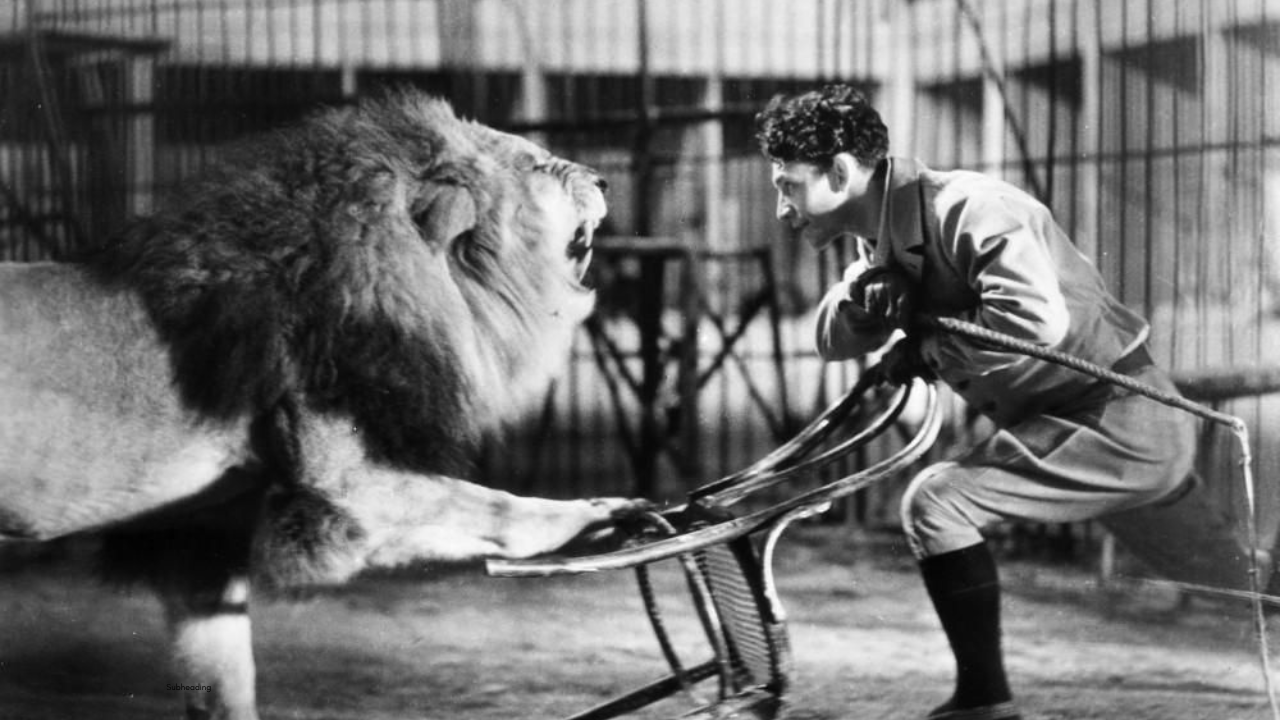
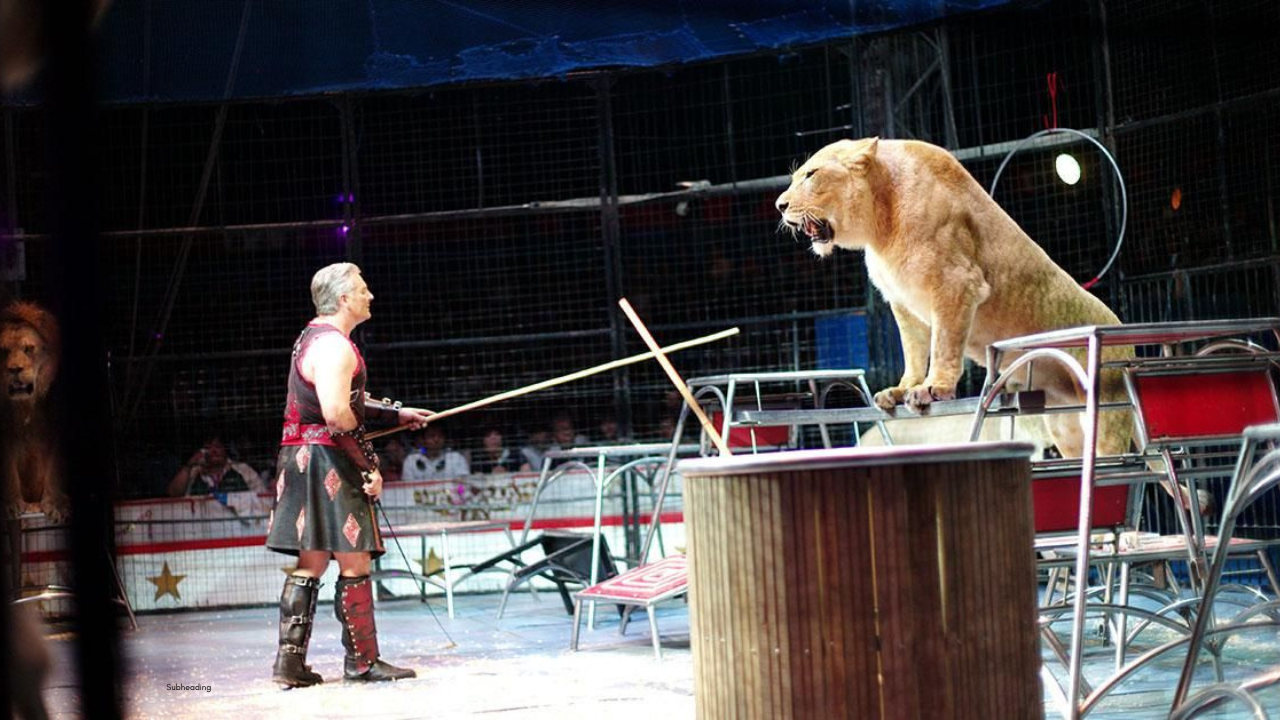
A Lion Tamer enters the cage.
Across from him stands a lion.
The Lion Tamer raises a chair.
Now he watches.
Every movement matters.
Where is the lion looking?
Why did it move?
Is it listening?
Is it getting too close?
What is it going to do next?
The Lion Tamer has to stay alert.
He has to anticipate.
He has to correct.
He has to stay one step ahead.
That is what chronic criticism can feel like.
We're constantly evaluating what is happening around us.
What's wrong here?
What needs fixing?
Who isn't doing what they're supposed to do?
What could go wrong next?
The chair becomes protection.
But there is another question worth asking.
What is the lion actually doing right now?
That question moves us from criticism into observation.
And that distinction matters.

Observation Is Not the Same as Criticism
One of the most important parts of my work is separating what happened from what we made it mean.
Consider these examples.
Observation: He didn't respond to my email.
Criticism: He doesn't respect me.
Observation: She missed the deadline.
Criticism: She's irresponsible.
Observation: The employee made an error.
Criticism: They don't care about their work.
Observation: I stumbled over part of my presentation.
Criticism: I was terrible.
Observation: The project didn't produce the result we expected.
Criticism: This whole thing was a failure.
Do you notice the shift?
Observation describes.
Criticism evaluates.
But we often move from one to the other so quickly that we don't notice it happening.
Something happens.
We interpret it.
Then we experience our interpretation as reality.
This is why observation is so powerful.
Observation creates a small gap.
And inside that gap is a question:
What do I actually know for certain?
When the Critic Turns Inward
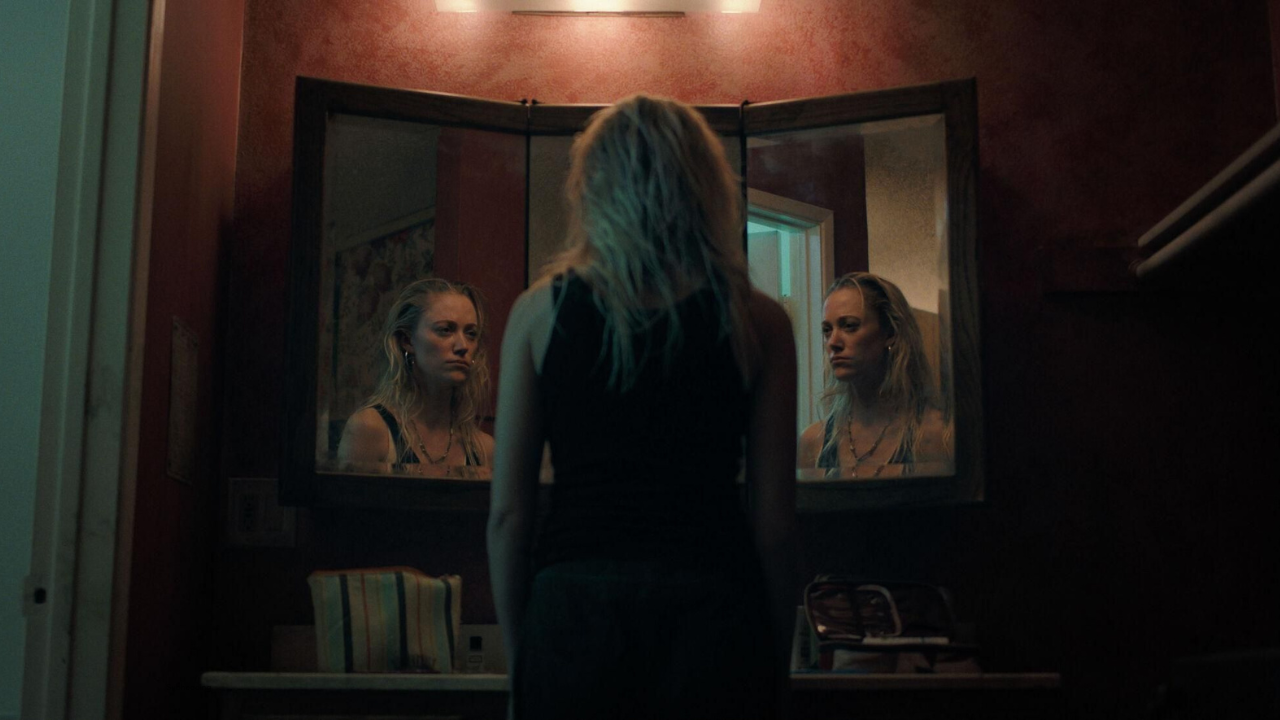
We cannot talk about criticism without talking about self-criticism.
In fact, some of the most critical people I encounter aren't necessarily criticizing everyone around them.
They're criticizing themselves.
Constantly.
They replay conversations.
They question decisions.
They analyze what they should have said.
They compare what happened with what they believe should have happened.
A presentation goes well except for one awkward moment.
Guess which part they remember?
The awkward moment.
Twenty people compliment them.
One person looks bored.
Guess which person they think about later?
The bored one.
They accomplish nine things and miss one.
Guess what gets their attention?
The one.
That's criticism narrowing the field of vision.
And this is where our circus metaphor becomes particularly interesting.
The Lion Tamer is still holding the chair.
Except now?
You're the lion.
You are simultaneously the person being watched and the person doing the watching.
Do better.
Don't mess this up.
You should have known.
Why aren't you further along?
You should be better at this by now.
That can masquerade as high standards.
But high standards and chronic self-criticism aren't the same thing.
High standards can say:
I know what I'm capable of.
Self-criticism says:
What I did wasn't enough, therefore something may be wrong with me.
That distinction matters.

Criticism and Leadership Under Pressure
Now let's move this into the workplace.
This is where criticism becomes more than a personal development topic.
It becomes a human diligence issue.
Human diligence is the practice of looking beyond financial statements, legal documents, organizational charts, and operational processes to understand how human beings actually behave inside a business.
What happens when pressure enters the room?
Who becomes controlling?
Who withdraws?
Who becomes defensive?
Who starts pleasing everyone?
Who takes responsibility for everything?
And who starts finding fault?
These patterns matter because they affect decision-making, communication, trust, retention, execution, and ultimately enterprise durability.
Consider a leadership team that has just missed an important target.
The leader walks into the room.
They could ask:
"What happened?"
Or they could ask:
"Who screwed this up?"
Same numbers.
Same organization.
Same problem.
Completely different human environment.
The first question invites information.
The second encourages defense.
And that difference can become expensive.
Criticism Can Make Important Information Disappear
This is one of the hidden organizational risks of criticism.
A highly critical leader may believe they're creating accountability.
The people around them may experience something completely different.
They learn:
Don't make mistakes.
Don't bring unfinished ideas.
Don't question the leader unless you're certain.
Don't deliver bad news unless you have an explanation.
Don't admit that you don't know.
Don't take a risk that might fail.
Over time, people adapt.
They become careful.
They filter information.
They protect themselves.
They may even hide problems until those problems become too large to hide.
Then the leader becomes frustrated.
"Why didn't somebody tell me?"
That's an important human diligence question.
Maybe nobody told you because the organization learned what happens to the messenger.
This becomes particularly important during mergers and acquisitions, succession, restructuring, rapid growth, or founder transitions.
Those environments already contain uncertainty.
People are watching leadership closely.
A founder may become increasingly critical because they feel their life's work changing.
A new leadership team may criticize old processes because they're eager to improve performance.
Employees may begin criticizing the acquiring company because they're afraid of what the transition means.
Everyone can end up holding a chair.
And pretty soon, everyone looks like a lion.
That's how invisible human fractures begin to affect very visible business outcomes.

Criticism Can Hide Something More Vulnerable
There's another layer underneath criticism that deserves attention.
Criticism often sounds powerful.
But it can hide vulnerability.
Consider the difference between:
"You never listen to me."
and:
"I don't feel heard."
Or:
"You don't care."
and:
"This matters to me."
Or:
"You completely screwed this up."
and:
"I'm worried about what happens next."
Or even:
"I can't believe I did that."
and:
"I'm afraid people will think less of me."
The critical statement creates distance.
The honest statement reveals something.
And revealing something requires courage.
Maybe the Lion Tamer isn't angry at the lion.
Maybe he's afraid of what the lion could do.
That's a very different thing to observe.

The Observer Doesn't Destroy the Chair
So what do we do with criticism?
We don't declare war on it.
We don't criticize ourselves for being critical.
That's just another circus act.
Instead, we observe it.
Interesting.
I'm scanning for what's wrong.
I'm making this mistake mean something about me.
I'm deciding I know why that person behaved that way.
No shame.
No courtroom.
No immediate verdict.
Just observation.
Then ask:
What am I actually observing, and what am I adding to it?
That question doesn't guarantee you'll discover that everything is fine.
Maybe something isn't fine.
Maybe the employee really does need feedback.
Maybe the behavior is inappropriate.
Maybe the relationship does require a boundary.
Maybe the business has a serious leadership problem.
Maybe you made a mistake that needs to be corrected.
Observation isn't avoidance.
Non-Attachment isn't indifference.
The Observer allows us to see clearly enough to determine what actually requires a response.
Non-Attachment, Radical Responsibility, and Courage
Three principles sit at the center of my work: Non-Attachment, Radical Responsibility, and Courage.
They become especially useful when criticism appears.
Non-Attachment asks:
Can I observe something I don't like without immediately needing it to be different?
That doesn't mean I won't address it.
It means I don't have to fight reality before deciding what to do.
Radical Responsibility asks:
What belongs to me here?
What am I feeling?
What story am I creating?
What part of my reaction belongs to the current situation, and what part am I bringing into it?
And then there is Courage.
What is actually true?
Maybe I need to speak up.
Maybe I need to apologize.
Maybe I need to give difficult feedback.
Maybe I need to set a boundary.
Maybe I need to admit I'm scared.
Maybe I need to allow someone to disagree with me.
Or maybe I need to let one imperfect moment remain exactly what it was:
One imperfect moment.
The Chair Slowly Lowers
Return to the circus one last time.
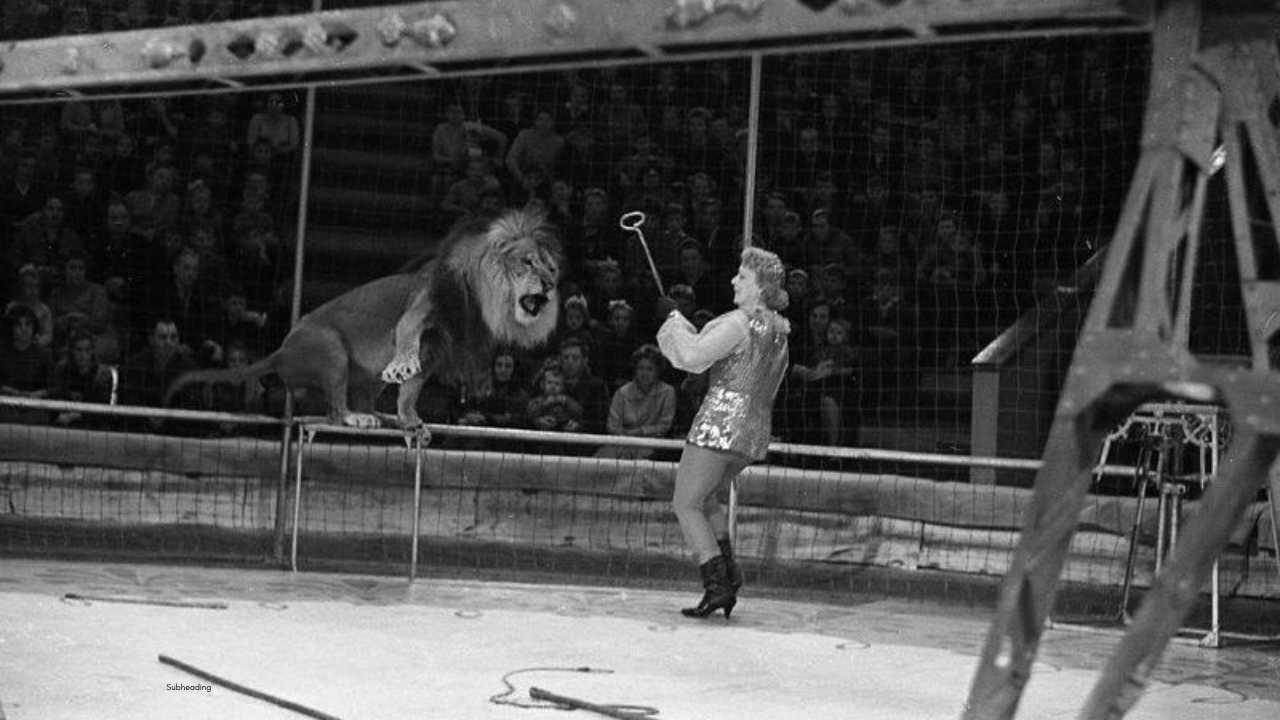
The lion is standing there.
The Lion Tamer still has the chair.
But now he notices himself holding it.
He notices how tightly he's gripping it.
He notices how closely he's monitoring every movement.
He notices how much energy he's spending trying to predict what the lion might do next.
And slowly...
the chair lowers.
Here's the part I love.
The lion hasn't changed.
The circumstances may not have changed.
The employee may not have changed.
Your partner may not have changed.
Your past hasn't changed.
Even the mistake you made hasn't changed.
Your relationship to the lion has changed.
You are no longer automatically fighting what you're observing.
Now you have options.
Maybe you raise the chair again because there really is a threat.
Maybe you have the conversation.
Maybe you correct the problem.
Maybe you walk away.
Or maybe you discover that you never needed the chair in the first place.
That's choice.
And choice is very different from reaction.
One Question to Take With You
The next time you notice criticism—toward another person, your circumstances, your organization, or yourself—don't immediately try to stop it.
Observe it.
And ask:
What am I actually observing, and what am I adding to it?
That's where the work begins.
Because observation creates awareness.
Awareness creates choice.
And choice allows us to respond to what is actually happening instead of constantly fighting what we believe should be happening.
The goal isn't to stop noticing problems.
The goal isn't to lower your standards.
The goal isn't to tolerate unacceptable behavior.
The goal is to see clearly.
Because sometimes the lion needs your attention.
Sometimes something really does need to change.
And sometimes...
the lion hasn't done anything at all.
You're simply still holding the chair.
About the Author
Kathie Owen is a private consultant, author, and thought leader specializing in human risk intelligence inside founder-led and private equity-backed companies. Her work sits at the intersection of leadership psychology, enterprise durability, and high-stakes transition, including mergers and acquisitions, succession, growth, and organizational change.

Through Human Patterns Under Pressure and her human diligence work, Kathie studies the behavioral dynamics traditional financial and legal diligence can miss: executive misalignment, founder attachment, emotional regulation, communication breakdowns, hidden loyalty structures, and the patterns leaders fall into when pressure rises.
Kathie is the author of Human Patterns Under Pressure, which explores the behavioral patterns pressure can reveal, and The Truth Bubbles Up, which examines the movement from story and reaction toward observation, responsibility, and personal freedom.
She is also the host of The Kathie Owen Perspective, where she explores leadership under pressure, human behavior, emotional patterns, Reality Transurfing, and the power of becoming the Observer.
Her work is grounded in three principles: Non-Attachment, Radical Responsibility, and Courage.
Because the numbers tell part of the story.
Human behavior tells you what may happen next.
Read More Articles from Kathie






Transcript
What if the thing you keep criticizing isn't actually the problem? What if the problem is what happens inside of you when something doesn't go the way you think it should? Oh, there's that word, should. Someone says the wrong thing, a coworker misses something obvious, your partner doesn't respond the way you expected, someone makes a decision you would never make, and almost instantly your mind has an answer. Why would they do that? They should know better. What is wrong with them? Why can't they just get it right? Sometimes we even turn that voice on ourselves. I should have known better. Why did I say that? I can't believe I did that. What is wrong with me? It can feel like discernment. It can feel like intelligence. It can even feel like we're protecting ourselves. But underneath pressure, criticism can become something very different. It can become a way of trying to make an unpredictable situation and world feel predictable. And that brings us to the circus, because today we're meeting the lion tamer Welcome to the Kathie Owen Perspective podcast. My name is Kathie Owen. I'm a consultant, author, and creator of Human Patterns Under Pressure. My work focuses on the human patterns that become visible when pressure enters a relationship, a leadership team, a workplace, or a major transition. I study what people do when the stakes rise, because pressure has a fascinating way of revealing what was already there. And today, we're talking about criticism. Picture an old-fashioned circus. The crowd goes quiet. A lion tamer steps into the cage. There's a lion on the other side. The lion tamer has a chair in one hand. He's watching the lion closely. Every movement matters. Where is the lion looking? Is it listening? Is it getting too close? Is it about to move? The lion tamer cannot relax. He has to stay ahead of the lion, and that is what criticism can feel like under pressure. We start scanning. What is wrong here? Who made the mistake? What needs to be fixed? What should have happened? Should. Who isn't doing what they're supposed to be doing? Criticism becomes the chair we hold between ourselves and uncertainty. And here's what makes this pattern tricky. Sometimes something really goes wrong. Sometimes someone did make a mistake. Sometimes poor behavior needs to be addressed. Sometimes standards matter. Sometimes you need to say, "No, this is not acceptable." The goal is not to walk through life pretending everything is wonderful. The question is different. What happens inside of you when something isn't the way you think it should be? That's where the pattern lives. Criticism is not the same as observation, and this distinction is incredibly important. Observation says, "He didn't respond to my email." Criticism says, "He doesn't respect me." Observation says, "She missed the deadline." Criticism says, "She's impossible." Observation says, "The employee made a mistake." Criticism says, "They don't know what they're doing." Observation says, "I stumbled over part of my presentation." Criticism says, "I was terrible." Do you see what happened? We went from an event to a conclusion, from fact to judgment, and we can do it so quickly that we don't even notice the gap. The gap is where the observer lives. Criticism can point in three directions. When we hear the word criticism, we usually think about criticizing other people, but criticism can point in three directions. It can point outward, "What's wrong with you?" It can point toward the environment, "What's wrong with this situation?" And it can point inward, "What's wrong with me?" That third one is important. You may never criticize another person out loud. You may be kind, helpful, supportive, warm, but then you make one mistake and spend the next three hours replaying it. "Why did I do that? I should have handled that better. I can't believe I said that." The lion tamer is still there, except now you're the lion, and you're standing over yourself with the chair. So why do we do this? Because criticism can create the feeling of certainty. If I can figure out what is wrong, maybe I can fix it. If I can figure out who caused the problem, maybe I can prevent it from happening again. If I can correct myself enough, maybe I won't embarrass myself next time. If I can correct you enough, maybe you won't hurt me. Criticism can become an attempt to create safety. But there is a cost. Because when we're constantly looking for what is wrong, our field of vision gets smaller. We stop seeing the whole person. We stop seeing the whole situation. We see the mistake, the flaw, the irritating behavior, the thing that should be different, and because that's what we're looking for, that's what we keep finding. This becomes especially important in the workplace. Imagine a leader walking into a meeting after getting bad news. Maybe sales numbers are down, a client is unhappy, a project is behind, a transition isn't going smoothly. The leader walks in already under pressure, and instead of asking, "What happened?" They ask, "Who approved this?" Feel the difference. Everyone in that room does. People feel leadership before they believe it. If criticism becomes the leader's default response to pressure, people learn something very quickly. Don't make mistakes. Don't bring bad news. Don't take unnecessary risks. Don't say something unless you're sure you're right. And eventually, the leader may complain, "Why doesn't anyone tell me what's going on?" Because the room learned that bad news comes with a chair. That is why human patterns matter so much in leadership and organizational transactions. You can have excellent financial diligence, excellent legal diligence, excellent processes, but human beings are still responding to pressure, and those responses affect what gets said, what gets hidden, what gets challenged, and what gets avoided. This is where I want to go a little deeper. Sometimes criticism sounds powerful, but underneath it may be something much more vulnerable. "You never listen to me" might be covering, "I don't feel heard." Or, "You don't care" might be covering, "This matters to me." "You completely screwed this up" might be covering, "I'm scared about what happens next." And, "I can't believe I did that" might be covering, "I'm afraid people will think less of me." Sometimes it's easier to criticize than acknowledging what we're actually feeling. Think about our lion tamer. Maybe he isn't angry at the lion. Maybe he's afraid of what the lion might do, and suddenly the metaphor changes. This is where the observer comes in. The observer does not say, "Stop criticizing," because now we're criticizing ourselves for being critical. That's just the lion tamer wearing a different costume. Instead, the observer notices, "Oh, I'm looking for what's wrong right now." No shame, no condemnation, no judgment, just awareness. And then we can ask, "What am I actually observing, and what am I adding to it?" That question can change everything. What actually happened? What do I know for certain? What story did I add? And does anything actually need to be done? Maybe it does. Observation is not passivity. Non-attachment does not mean tolerating harmful behavior. Peace does not mean pretending something is okay when it isn't. You can observe clearly and still have a boundary. You can observe clearly and still give feedback. You can observe clearly and still say no. You can observe clearly and still leave. But now you're responding to what is actually happening instead of fighting a story your mind created about what is happening. That is a very different kind of power. There are three principles I return to again and again in my work. Non-attachment asks, "Can I see something I don't like without immediately needing to judge it, fix it, or make it mean something?" Radical responsibility asks, "What is happening inside of me right now? What am I making this mean? What belongs to me and what doesn't?" Courage asks, "What is the truth underneath my criticism? Maybe I'm hurt. Maybe I'm scared. Maybe I'm disappointed. Maybe I have a difficult conversation. Maybe I need to set a boundary. Or maybe I simply need to let another human being be different from me." That is courage, too Now, go back to that circus cage one more time. The lion is standing there. The lion tamer is holding the chair, but something changes. He notices himself. He notices how tightly he's gripping the chair. He notices his need to predict the lion's next move. He notices his fear, and slowly the chair lowers. The lion hasn't changed. The situation hasn't necessarily changed. The other person hasn't changed. The world hasn't suddenly agreed to behave the way he wants it to behave. The relationship to the lion has changed. That is the observer, and that is freedom. Because the goal is not to stop seeing what's wrong. The goal isn't to become blind to problems. The goal is stop needing something to be wrong in order to feel safe. You can see clearly without gripping the chair. You can address problems without becoming the problem. You can hold standards without holding everyone hostage to those standards. You can make a mistake without turning yourself into the lion. That is where power, presence, and peace begin to return, not because the lion disappeared, because you changed the way you stand in the cage. Before you leave today, here's your observer question: "What am I actually observing, and what am I adding to it?" Try that the next time criticism shows up. Don't fight it. Don't judge it. Just notice because observation creates awareness, awareness creates choice, and choice changes everything. As always, I've included an article to accompany this episode. It takes this conversation a little deeper and gives you another way to explore the pattern through the observer's lens. You'll find that article linked in the show notes, in the description, and in the first comment on YouTube. Thank you for spending this time with me today. My name is Kathie Owen, and this is the Kathie Owen Perspective Podcast. Until next time, keep observing. You might be surprised by what changes when you finally put down the chair.

Explore the 12 rules of Reality Transurfing through human patterns under pressure. Kathie Owen connects pendulums, excess potential, intention, slides, and goals and doors to leadership, relationships, and everyday choices. Watch the video and try three practical questions.
#RealityTransurfing #HumanPatternsUnderPressure #Leadership