
The Hidden Cost of False Urgency

The Story Is Costing You Millions
You’re Not Losing Money Where You Think
Most companies believe they lose money in strategy.
Or operations.
Or market conditions.
So they look at reports.
They analyze numbers.
They try to fix systems.
But that’s not where the biggest losses are happening.
They’re happening in moments.
Moments when something goes wrong.
Moments when pressure hits.
Moments when people stop seeing reality… and start telling stories.
That’s where the money goes.
A Moment You Already Understand
Picture this.
A mom collapses in the kitchen.
No warning.
No explanation.
And instantly…
The room changes.
One person rushes in.
“What happened? What do we do?”
They move fast.
Talk fast.
Try to take control.
Another person says:
“Oh my God… what if she dies?”
That’s the moment.
A story just entered the room.
Nothing has been confirmed.
No one knows what’s actually happening.
But now…
People aren’t reacting to reality.
They’re reacting to a story.
Fear spreads.
Someone disappears into the bathroom.
They’re overwhelmed.
Their body can’t handle the moment.
A few people stand back.
Watching. Waiting.
They don’t know what to do.
And then…
There’s one person.
They feel the same uncertainty.
They feel the same fear.
But they don’t grab the story.
They pause.
They look at what’s actually happening.
And they ask:
What is real right now?
What is needed right now?
Then they pick up the phone…
And they call 911.
What Just Happened
Same moment.
Same uncertainty.
Completely different outcomes.
Most people got pulled into a story.
One person stayed with reality.
And that difference…
Changes everything.
This Is Where I Sit
In moments like this…
I’m not the one reacting.
I’m the one watching.
I’m noticing:
Where the story entered
Who picked it up
Who sped the room up
Who shut down
Who stepped out
Who stayed with reality
Because what people believe in that moment…
Is what drives what happens next.
And here’s what most people don’t realize:
When someone in the room is grounded in reality—
Not the story—
The room starts to shift.
The pace slows.
People begin to regulate.
Clarity comes back.
Not because someone gave instructions.
But because someone is no longer feeding the story.
This Is What Happens Inside Companies Every Day
No one collapses in a boardroom.
But the pattern?
It’s the same.
A deal is at risk.
And someone says:
“This could fall apart.”
A story enters the room.
A leader pushes harder.
“We need answers now.”
Urgency rises.
Another escalates:
“This is a serious problem.”
Fear spreads.
Someone shuts down.
Overwhelmed.
Others go quiet.
Watching. Waiting.
And suddenly…
No one is working with reality anymore.
They’re working with a story.
This Is Human Diligence
This is why I say I assist with human diligence.
Because the numbers won’t show you this.
But the behavior will.
You can see:
When a founder becomes defensive
When fear starts shaping decisions
When urgency replaces clarity
When alignment quietly breaks
And once the room leaves reality…
Everything downstream is affected.
Behavior → Burnout → Cost
This is where it becomes undeniable.
Story → Distorted Decisions
People react to what they think is happening…
Not what is happening.
They rush.
They delay.
They overcorrect.
Deals fall apart.
Urgency → Decision Fatigue
When the story creates pressure…
Leaders burn out.
Too many decisions. Too fast.
Clarity drops.
Overwhelm → Reduced Capacity
The ones who shut down?
They’re still there.
But they’re not fully operating.
Mistakes happen.
Silence → Disengagement
The observers?
They stop contributing.
Because the room no longer feels grounded.
Emotional Contagion → Team Instability
Stories spread faster than facts.
One fearful voice can shift an entire team.
The Real Cost
Now multiply that across a company.
Across decisions.
Across teams.
Across time.
You get:
Lost deals
Rework and delays
Burnout and turnover
Leadership bottlenecks
Reduced output
This is not soft.
This is financial.
Why Companies Miss It
Because you can’t see stories on a spreadsheet.
You’ll never see:
“Assumption cost us this deal”
“Fear delayed this decision”
“Silence killed this idea”
You’ll only see the result.
And try to fix it from the outside.
The Three Principles That Change the Moment
In every high-pressure situation…
There are three things that determine whether someone stays in reality or gets pulled into the story.
Non-Attachment
This isn’t about me.
Not my fear.
Not my identity.
Not my need to be right.
When people attach…
They defend.
They react.
They escalate.
When they don’t…
They can actually see.
Radical Responsibility
What is mine to do right now?
Not everything.
Just what’s real.
This pulls the focus out of the story…
And back into action.
Courage
This is the part most people miss.
It takes courage…
To not attach to the story.
To not take on what isn’t yours.
To act when no one else is clear.
And it also takes courage…
To not overtake the moment.
To not control everything.
To not make it about you.
Courage is staying grounded in reality…
Even when the room isn’t.
A Brief Reflection
This isn’t just business.
It’s human.
I’ve lived this.
In my own life.
In relationships.
In moments where it was easy to take on someone else’s behavior…
Or attach to a story that wasn’t mine.
The shift came when I stopped reacting…
And started observing.
When I took responsibility for my part—
But not for everything.
That changes everything.
What I Actually Do
I don’t come in to coach behavior.
I don’t tell people how to communicate.
I observe what’s already happening.
In real conversations.
Under real pressure.
I separate:
What is real
From what is story
And I make that visible.
Because once a leader can see that clearly…
They don’t need to be told what to do.
They change.
And when that happens…
The room stabilizes.
Decisions improve.
Teams align.
And money stops leaking.
The Real Takeaway
Most companies try to save money by cutting costs.
But the fastest way to protect money…
Is to see what’s happening in the moment—
Before the story takes over.
Because once the story runs the room…
The outcome is already compromised.
About the Author
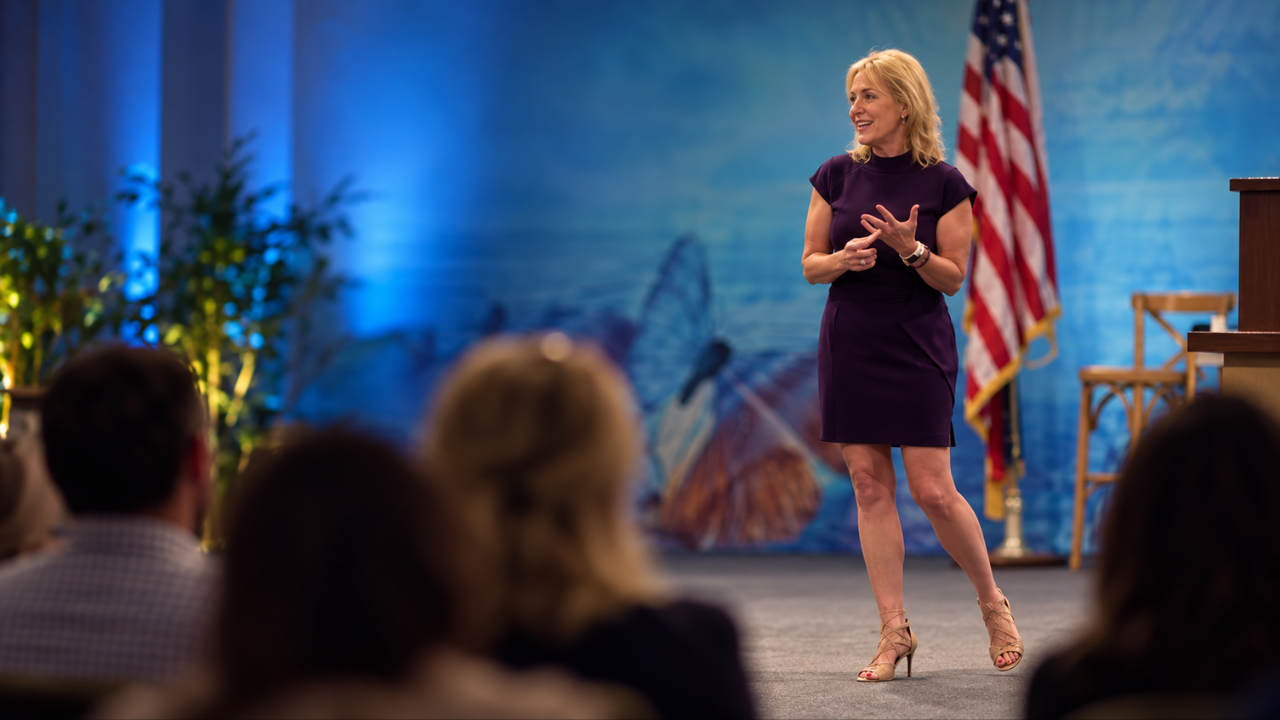
Kathie Owen is a private consultant specializing in human patterns under pressure within founder-led and private equity–backed companies. She works inside high-stakes environments—mergers, acquisitions, and leadership transitions—where decisions carry real financial consequences and behavior determines outcomes.
Her work centers on what she calls human diligence: observing how leaders and teams actually respond in moments of pressure, and identifying the patterns that quietly drive burnout, misalignment, poor decisions, and financial loss. By making these patterns visible, Kathie helps organizations stabilize decision-making and prevent costly breakdowns that never appear in spreadsheets.
Kathie is the author of Human Patterns Under Pressure, where she breaks down the real dynamics that shape leadership and performance when the stakes are high. She is also a sought-after speaker, known for delivering grounded, story-driven insights that help leaders see what’s happening in their organizations in real time.
To learn more about her book and speaking engagements, visit the links below.
Read More Articles from Kathie


Transcript
Have you ever been in a moment where something went wrong and within seconds everything got worse? Not because of what happened, but because of how people reacted to it. Someone starts rushing, someone starts panicking, someone shuts down, and suddenly no one is actually dealing with what's real anymore. They're reacting to what they think is happening. Now, here's the part most people don't realize. Those moments where people leave reality and move into story are quietly costing companies millions of dollars. Every single day. Welcome to the Kathie Owen Perspective. My name is Kathie Owen. I work with founders, leadership teams, and private equity backed companies often during mergers, acquisitions, and high pressure transitions. And what I do is simple but rarely seen. I observe human behavior. Under pressure. More specifically, I observe the moment when people stop seeing reality and start operating inside a story, because that's the exact moment where decisions begin to break. Let me show you what I mean. Picture this, A mom collapses in the kitchen. No warning. Immediately the room shifts. One person rushes in, what happened? What do we do? They move fast. They talk fast. They try to take control. Another person says, oh my God, what if she dies? That's the moment. A story just entered the room. Nothing has been confirmed. No one knows what's actually happening. But now people aren't reacting to reality. They're reacting to a story. Fear spreads. Someone runs to the bathroom to throw up. They are overwhelmed. Their body can't process what's happening. A few people stand back. They're watching, they're waiting. They don't know what to do, and then there's one person, they feel the same uncertainty, they feel the same fear, but they don't grab the story. They pause, they look at what's actually happening, and they ask What is real right now? What is needed right now? Then they pick up the phone and they call nine one one. In moments like that, I'm not the one rushing. I'm not the one panicking. I'm not the one shutting down. I'm watching. I'm noticing where the story entered, who picked it up, who sped up the room, who lost capacity, who disengaged, and who stayed with reality, because those patterns are what determines what happens next. And here's what's powerful. When someone in the room stays grounded in reality, the room starts to shift. The pace slows people begin to regulate. Clarity comes back, not because anyone was told what to do, but because someone is no longer feeding the story. That's where I work. Now bring this into a company. A deal is on the line, diligence is happening, pressure is high, and someone says, this could fall apart. A story enters the room. A founder becomes defensive. A leader pushes harder. Someone escalates the risk, someone else goes quiet. And on paper everything looks fine, but in the room, the decision is already changing. That is what I call human diligence because traditional diligence looks at numbers. I look at behavior. I look at where reality is being replaced by story, where fear is shaping decisions, where urgency is distorting thinking where alignment is quietly breaking, because guess what? That is where risk actually lives. And this is where the money goes. When people operate from story instead of reality decisions get distorted. People rush or they freeze. Timing gets off. Deals fall apart. Leaders burn out. Too many decisions too fast. People shut down. Capacity drops, mistakes increase. Others disengage ideas disappear. Ownership disappears. An emotion spreads across the team. It's very contagious. This is not soft. This is financial. So what allows someone to stay in reality when everyone else is in the story? There are three things. There are three principles. Number one, non-attachment. This is not about me, not my fear, not my identity, not my need to be right, because the moment you attach, you enter the story. Number two, radical responsibility. What is mine to do right now? Not everything, just what's real. This pulls you out of reactivity and into clarity. Number three, courage. And this is the most important part. It takes courage to not attach to the story, to not take on what isn't yours, to not over control the moment, and it takes courage to act anyway, to make the call, to speak clearly, to stay grounded when the room isn't. This isn't just business, these are human patterns. I've lived this in relationships, in situations where it was easy to take on someone else's behavior or believe a story that wasn't mine. The shift came when I stopped reacting and I started observing when I took responsibility for my part, but not for everything. That changes everything. So if you take anything from this episode, let it be this, the biggest risk in your business is not always what's happening. It's the story being told about what's happening. Because once the story runs the room, the outcome is already compromised. And that my friends, is human diligence. If this resonated with you, I've written a full blog post that goes deeper into this topic, breaking down how these moments show up in real organizations and what they actually cost. You'll find that linked in the show notes and description below. I'm also the author of a new book called Human Patterns Under Pressure, where I explore how people behave when the stakes are high, and how those moments shape everything. And if you're interested in bringing this perspective into your organization or event, you can learn more about my speaking and consulting through the links below as well. Alright, that's my episode for today. I trust that you found it helpful. And if you know someone who can benefit from this, please share it with them. And remember, stay with reality. That's where clarity lives.

Explore Reality Transurfing pendulums, visualization, and simple problem-solving with Kathie Owen. Learn to picture confidence, peace of mind, and ease, then make space for a useful next step under pressure.
#RealityTransurfing #Pendulums #Visualization #HumanPatternsUnderPressure