
Observe Before You Fix

Most consultants walk into a company and start prescribing solutions within days.
They schedule strategy sessions.
They recommend restructuring.
They adjust KPIs.
They roll out new systems.
It looks impressive.
But the real risk in most organizations isn’t operational.
It’s human.
And human systems reveal themselves slowly — if you know how to look.
You can walk into a restaurant and feel the dynamic in 60 seconds.
Is the manager tense?
Do the servers move confidently?
Does the kitchen look coordinated or chaotic?
Stand at an airport gate and watch how an agent handles a delay.
Do they stay grounded?
Do they escalate?
Do passengers get louder as the agent gets more defensive?
That’s pattern recognition.
That’s not performance.
Performance is what people show you.
Pattern is what repeats under pressure.
The most expensive mistakes in leadership don’t happen because leaders don’t care.
They happen because no one slowed down long enough to observe.
Why Most Consultants Intervene Too Quickly
There is pressure to “add value” fast.
Consultants are hired to produce visible action.
Speed is mistaken for competence.
If something changes quickly, it feels like progress.
Leaders expect movement.
Boards expect updates.
Teams expect direction.
And early intervention makes the consultant feel useful.
But here’s the quiet danger:
Quick solutions applied to unobserved systems often reinforce the very patterns that created the issue.
There is always a surface problem.
And beneath it, there is a structural pattern.
Example:
A team is underperforming.
The solution? Restructure it.
But what if the real issue is entitlement at the executive level?
Now you’ve rearranged reporting lines without addressing the emotional climate.
Or a founder replaces a leader.
But no one has diagnosed the defensive culture underneath.
The replacement steps into the same pressure loop.
Or a company implements a new system.
But attachment dynamics — loyalty, fear, ego — remain untouched.
The system fails.
Because the pattern stayed.
This is where disciplined observation separates precision from noise.
The Power of Silent Pattern Mapping
When I enter an organization, I do not start with prescriptions.
I start with mapping.
Not behavior alone.
Patterns.
I notice:
Who interrupts whom
Who defers automatically
Who over-explains to justify themselves
Where tension spikes in a meeting
How disagreement is handled
Where energy drops
Who people look at before speaking
Who jokes to deflect discomfort
This is not emotional commentary.
It is human data.
I call it Behavioral Climate Mapping.
Or Human Environment Diagnostics.
It is executive-level intelligence.
I am not judging.
I am identifying loops.
Because every organization runs on loops.
Pressure → Reaction → Reinforcement → Silence → Repeat.
Until someone sees it.
Most leaders see outcomes.
Few see recurring patterns.
And patterns are where value either compounds — or collapses.
How to Diagnose a Human Environment
You cannot fix what you have not diagnosed.
Human systems can be understood across three levels.
1. Emotional Regulation Level
How do leaders respond under pressure?
Do they become reactive?
Defensive?
Blame-oriented?
Or calm?
Watch closely.
Pressure reveals the true operating system.
If a CEO tightens when challenged, the organization tightens.
If a founder escalates when questioned, debate disappears.
You cannot build innovation on emotional volatility.
2. Power Structure Level
Is authority clear?
Or confused?
Is loyalty mistaken for alignment?
Are decisions made directly — or triangulated?
Triangulation is when tension flows sideways instead of upward.
It looks like:
Person A complains about Person B to Person C.
No one addresses the source.
Energy drains.
Trust erodes.
Power clarity is structural oxygen.
When it’s unstable, everything strains.
3. Identity Attachment Level
This is where many consultants stop looking.
Is the founder fused to the company?
Is disagreement interpreted as disloyalty?
Are decisions strategic — or ego-protective?
If identity is entangled with role, change feels like threat.
And threatened leaders tighten control.
This is not a culture issue.
It is an attachment issue.
And attachment drives behavior.
This is where human pattern intelligence becomes strategic leverage.
The Signals Leaders Miss (But Employees Feel Immediately)
In most organizations, disruption is first detected at the edges.
Not at the top.
At the edges.
Employees feel instability before it is named.
You see it in:
Sudden hesitation in meetings
Whispered hallway recalibrations
Subtle withdrawal from high performers
Increased defensiveness in middle management
Energy drops no dashboard captures
Employees sense instability long before leadership acknowledges it.
The problem isn’t that leaders don’t care.
The problem is proximity.
When you’re at the center of power, you lose peripheral vision.
You are inside the pressure field.
Employees stand slightly outside it.
They notice tone shifts.
Micro-tensions.
Unspoken rules changing.
Often, they cannot articulate it.
But they feel it.
When observation is disciplined, those signals are mapped early.
Before turnover spikes.
Before performance slips.
Before morale erodes quietly.
And when leaders are willing to listen to the edges, they regain peripheral sight.
That is strategic maturity.
Observation as Strategy (Not Passivity)
Observation is not hesitation.
It is data acquisition.
It is disciplined restraint.
The most valuable intervention often begins with silence.
A leader who can sit inside a system and map it before touching it sees what others miss.
They see leverage points.
They see fracture lines.
They see who carries influence without title.
They see where calm is needed — and where accountability is overdue.
When they finally move, they move with precision.
Not noise.
Not urgency.
Precision.
That is the difference between reaction and leadership.
Why This Matters in High-Stakes Environments
Nowhere is this more critical than in mergers and acquisitions.
In M&A:
Financial diligence is immediate.
Legal diligence is structured.
Operational diligence is documented.
Human diligence is rushed.
And human instability is what destabilizes integration.
A deal can be flawless on paper.
Then collapse under unobserved identity clashes.
Leadership ego collisions.
Power ambiguity.
Cultural defensiveness.
Employee distrust.
Integration fails rarely because of spreadsheets.
It fails because no one mapped the human climate.
When human risk is left unexamined, financial value erodes quietly.
Retention drops.
Decision speed slows.
Defensive leadership increases.
Silence spreads.
Mapping human systems before intervention is not soft.
It is protective.
It safeguards enterprise value.
It protects integration.
It stabilizes transition.
And it prevents the expensive illusion that speed equals strength.
The Discipline of the Observer
In high-stakes environments, calm observation is not delay.
It is leadership.
It requires emotional regulation.
It requires non-attachment.
It requires the courage to see what is actually happening — not what should be happening.
When you enter quietly, you hear more.
When you map precisely, you act strategically.
When you intervene after observation, you shift systems — not symptoms.
I operate in that space.
I enter.
I map.
I identify recurring loops.
And when movement is required, it is intentional.
No hype.
No urgency theater.
Just clarity.
Because the most powerful leaders are not the fastest.
They are the ones who see.
About the Author
Kathie Owen is a private consultant specializing in human-pattern intelligence inside high-stakes leadership environments. She works with founders, acquisition leaders, and executive teams to identify hidden behavioral risks that destabilize performance, culture, and enterprise value.
With over 25 years of experience in leadership, wellness, and organizational development, Kathie is known for entering complex systems quietly, mapping power dynamics, emotional regulation patterns, and attachment structures before intervention begins.
Her work focuses on behavioral climate diagnostics, cultural stabilization, and strategic human due diligence—particularly during leadership transitions, founder evolution, and mergers and acquisitions.
Rather than prescribing quick fixes, she observes recurring loops under pressure and helps leaders intervene with precision. Her approach integrates non-attachment, radical responsibility, and courage—principles that stabilize both individuals and organizations.
Kathie advises executives who understand that the greatest risk inside any company is rarely operational. It is human.
About the Book: Human Patterns Under Pressure
Human Patterns Under Pressure explores what truly happens inside leaders and organizations when stress rises and stakes increase.
Blending real-world leadership environments with pattern recognition, emotional regulation science, and executive-level case insights, the book examines how identity attachment, power dynamics, and unexamined behavioral loops quietly shape outcomes.
It challenges the idea that performance problems are purely strategic. Instead, it reveals how human instability—left unobserved—erodes culture, decision-making, and long-term value.
Written for founders, executives, and acquisition leaders, Human Patterns Under Pressure offers a new lens on leadership: one rooted not in hype or personality, but in disciplined observation and structural clarity.
Because under pressure, patterns don’t disappear.
They amplify.
And the leaders who learn to see them lead differently.
Read More Articles Here



Transcript
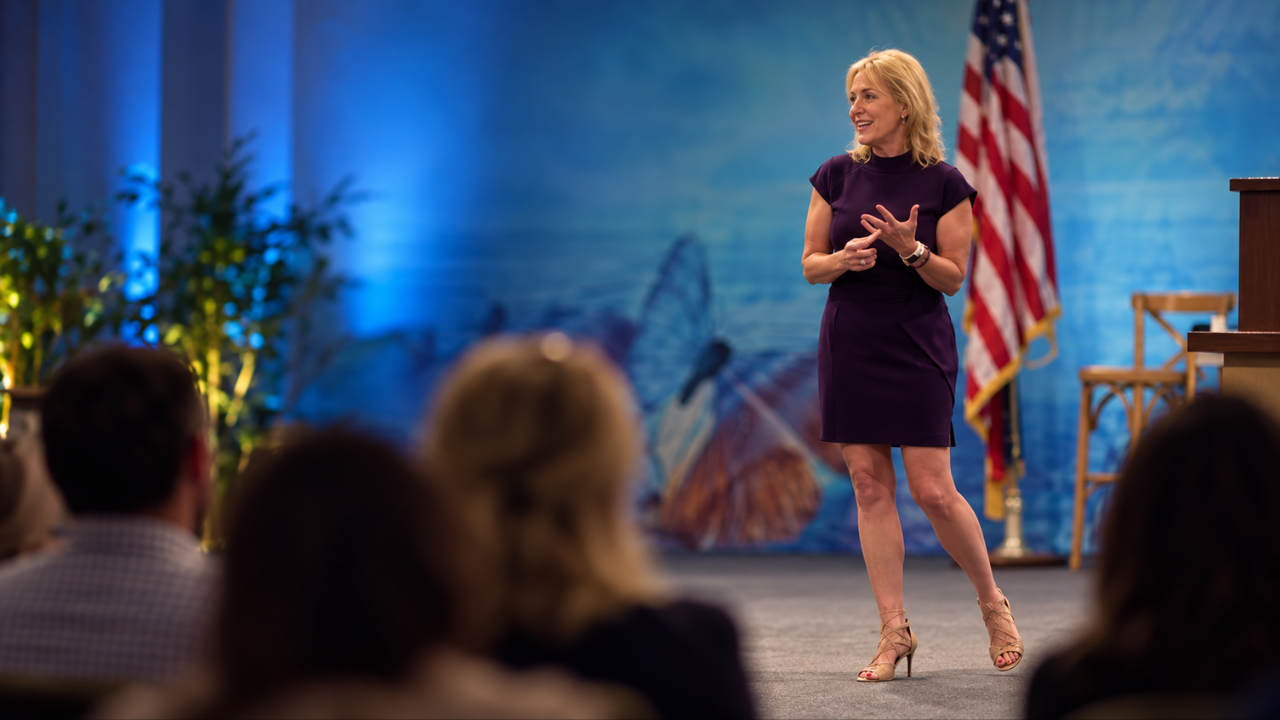
Let me tell you something about me. When I walk into an airport, I don't just see people. I watch the gate agent, I watch what happens when a flight gets delayed, who gets louder? Who stays calm? Who looks around before they speak? I was at an airport once where a flight was delayed and the gate agent got defensive immediately. Her voice tightened. She blamed weather. She blamed the system, and within five minutes, the passengers escalated. Same information, two different outcomes. The pattern wasn't the delay, it was the regulation. I do the same thing in restaurants. You can tell in 60 seconds whether a manager runs on clarity or tension. You can see if the servers are confident or walking on eggshells. You can feel whether the kitchen is coordinated or controlled. I don't even mean to do it. I just see it. And here's the thing. Most people think they're observing performance. I'm observing patterns. And patterns tell you everything. The most expensive mistakes in leadership don't happen because leaders don't care. They happen because no one's slowed down long enough to observe. And that's what I wanna talk about today, how to observe a company before you try to fix it. Welcome to the Kathie Owen Perspective where we talk about human patterns, real leadership, and what actually destabilizes companies under pressure. My name is Kathie Owen. I'm a private consultant. I work with founders, executive teams, and acquisition leaders to identify hidden human risk inside high stakes environments, not service culture issues, not motivational noise. Human pattern instability. And the reason this matters is simple. You cannot fix what you have not mapped. Most consultants walk into an organization and start prescribing solutions within days. They restructure, they replace leaders, they implement new systems, and it looks productive. But speed is often mistaken for competence. Leaders expect visible action. Boards expect movement and consultants feel pressure to prove value quickly. But quick solutions applied to unobserved systems often reinforce the exact patterns that created the issue. There's always a surface problem. Underneath it, there's a structural loop. Restructuring a team without addressing entitlement. Replacing a leader without diagnosing emotional culture, implementing new systems without evaluating attachment dynamics, the pattern survives and the problem returns. Just wearing different clothes. When I enter a company, I don't start by fixing. I start by mapping. And no, that's not passive, that is strategic. I watch who interrupts whom, who defers automatically, who over explains where tension spikes, where energy drops, how disagreement is handled, who people look at before speaking. That is human data. I call it behavioral climate mapping or human environment diagnostics. It's executive intelligence, not emotional commentary. I'm not judging personalities. I'm identifying recurring loops, pressure to reaction to reinforcement, to silence, to repeat until someone sees it. I once sat in a leadership meeting where every single executive looked at the founder before even answering basic questions. Not because they didn't know the answer, because they were scanning for approval. That told me the culture was permission based, not ownership based. Here's something leaders need to understand. Disruption is almost always detected at the edges first. Employees feel instability long before leadership names it. You'll see sudden hesitation in meetings, whispered recalibrations in hallways. I've watched high performers go quiet, not because they were disengaged, because they realized candor was not safe. That shift happens long before metrics show it. High performers quietly withdrawing, middle managers getting more defensive, energy shifts that no dashboard captures. The issue isn't that leaders don't care. It is proximity. And when you're at the center of power, you lose peripheral vision. Observation restores it, and when leaders are willing to listen to the edges. Integration stabilizes, retention stabilizes, and performance stabilizes. In mergers and acquisitions this becomes critical. Financial diligence is structured. Legal diligence is structured. Operational diligence is documented. Human diligence, it's rushed. And human instability is what destabilizes integration. Identity clashes, power ambiguity, founder attachment, defensive leadership. None of that shows up on a spreadsheet. But it shows up six months later. Observation before intervention protects enterprise value. I'm going to repeat that'cause it's important. Observation before intervention protects enterprise value. It prevents reactive restructuring. It prevents cultural collapse, and it allows precision instead of panic. Observation is not hesitation. It is disciplined restraint. It is leadership. The most powerful leaders are not the fastest. They are the ones who see. If you want someone who enters quietly, maps precisely, and intervene strategically. That's where I operate. If this resonated, I wrote a full blog post on this topic with deeper breakdowns and additional resources. You'll find that linked in the description and show notes below. And if you know a founder, executive, or acquisition leader who needs to hear this, send it to them. Because the real risk in most companies is not operational. It is human. And patterns don't disappear under pressure, they amplify it. Alright, that's my episode for today. I trust that you found it helpful and I will see you in the next one.

Whose nervous system is running the room? Explore emotional contagion, leadership under pressure, and Reality Transurfing pendulums. Kathie Owen explains how pausing, reducing excess importance, and dialectical thinking can help you recognize patterns and choose your response.
#EmotionalRegulation #Leadership #RealityTransurfing #HumanDiligence