
What Undercover Boss Got Right

What Undercover Boss Got Right (And Why It Still Matters)
There was a show years ago called Undercover Boss.
You probably remember it.
A CEO would put on a disguise.
They would step into their own company as a regular employee.
No title. No authority. No spotlight.
And then something interesting would happen.
People told the truth.
Not polished truth.
Not meeting-room truth.
Real truth.
They talked about:
What was actually broken
How managers really treated people
What it felt like to work there
What leadership couldn’t see
And almost every time…The CEO was shocked.
Why Were They Always Surprised?
Because people behave differently around power.
When a leader walks into a room, things shift.
Conversations get filtered
Problems get softened
Performance gets… performed
People don’t lie.
But they don’t tell the full truth either.
Not because they’re bad people.
Because they’re adapting.
They’re reading the room.
They’re protecting themselves.
They’re trying to stay safe.
So what leadership sees…is not always what’s real.
Here’s Where Most People Miss the Point
Undercover Boss made it look like the issue was individual behavior.
A bad manager.
A struggling employee.
A moment that needed fixing.
But that’s not what was really happening.
What the show accidentally revealed was something deeper:
Patterns.
Patterns of:
Control
Silence
Loyalty
Fear
Performance
And patterns don’t live in one person.
They live in the system.
Even at the executive level, people adjust what they say based on who’s in the room. What looks like alignment is often careful communication.
The Real Problem Isn’t What You Think
Most companies believe their biggest risks are:
Strategy
Operations
Financials
But those are lagging indicators.
The real signals show up earlier.
They show up in behavior.
A team that agrees too quickly
A leader who needs constant updates
Employees who stop speaking up
High performers quietly checking out
Nothing looks “wrong” on paper.
But something feels… off.
And most leaders can feel it.
They just can’t see it clearly.
You Don’t Need a Disguise to See the Truth
This is where most organizations get stuck.
They think the solution is more data.
More surveys.
More performance reviews.
But the truth doesn’t live there.
The truth shows up in real moments.
In conversations.
In tone.
In hesitation.
In what’s said… and what’s not.
That’s the work I do.
I don’t go undercover.
I don’t need to.
Because when people feel psychologically safe…
they reveal everything.
Not dramatically.
Not all at once.
But consistently.
And when you know what to look for…the patterns become impossible to ignore.
Access Changes What You See
One of the reasons I see this so clearly…Is because I didn’t come into this work through traditional consulting.
I came through corporate wellness.
And corporate wellness gives you something most roles don’t: Access.
Not just to leadership.
To everyone.
Executives.
Managers.
Frontline employees.
And when you’re in that position…People talk to you.
Not in a formal setting.
Not in a performance review.
In real conversations.
They talk about their stress.
Their lives.
What’s working… and what’s not.
And eventually…They talk about work.
What’s actually happening.
How decisions are really being made.
What leadership doesn’t see.
Because they feel safe.
They know you’re not part of the politics.
They know you’re not reporting on them.
And that’s where the truth shows up.
Not in a boardroom.
In everyday moments.
Start Here: Before You Ever “Go Undercover”
Before anyone puts on a disguise…before they walk the floor…before they sit in meetings…
There’s a simpler place to start.
Ask.
Not casually.
Not in a group setting.
Not in a way that puts people on the spot.
Through a well-designed, anonymous assessment.
Because when people feel safe…they tell the truth.
And when they don’t?
They perform.
Why Most Leaders Get This Wrong
Most companies already run surveys.
And most of them don’t work.
Not because people don’t care.
Because people don’t feel safe.
They’re not truly anonymous
They’re run inside internal politics
They’re interpreted by the same system people don’t trust
So what happens?
People answer carefully.
They soften what’s real.
They protect themselves.
And leadership gets…another version of the story that feels acceptable.
Not accurate.
Psychological Safety Isn’t a Buzzword. It’s the Difference.
When an assessment is:
Actually anonymous
Designed to reveal patterns (not just opinions)
Looked at by someone outside the system
Everything changes.
People stop managing perception.
They start telling the truth.
Not dramatically.
Not emotionally.
Just clearly.
And clarity is where patterns begin.
This Is Where the Signal Starts
You’re not looking for complaints.
You’re looking for patterns:
Where trust breaks
Where communication gets filtered
Where leadership shifts under pressure
Where people feel safe… and where they don’t
This is the earliest signal.
Before disengagement.
Before turnover.
Before it shows up in performance.
And Here’s the Part Most People Miss
An assessment won’t give you the full picture.
But it will show you where to look.
It gives you direction.
Because once you see the pattern…you can’t unsee it.
And that’s when the real work begins.
In meetings.
In conversations.
In decision-making.
Where behavior tells the truth faster than any report ever will.
Why This Matters
You don’t need to hire me to start this.
Any company can do it.
But most don’t know how to design it.
And even fewer know how to read it without bias.
That’s where things get missed.
Not because the data isn’t there.
Because the lens isn’t.
I Don’t Expose People. I Expose Patterns
That’s an important distinction.
This isn’t about catching someone doing something wrong.
It’s about seeing:
Where control has replaced trust
Where silence has replaced alignment
Where performance has replaced ownership
Because once a system requires people to perform…
you no longer have clarity.
You have theater.
And theater is expensive.
This Doesn’t Just Happen in Companies
It happens in everyday life too.
In families.
In relationships.
In social circles.
You’ll see it when:
One way of thinking is “allowed”
Disagreement gets punished
People start conforming instead of expressing
The strongest voice sets the tone
From the outside, it can look like harmony.
But it’s not.
It’s pressure.
And over time, that pressure does one of two things:
People either shrink…or they leave.
Because forced alignment is not real alignment.
It’s control.
And control always breaks down eventually.
Why This Matters More Than You Think
In business, these patterns don’t stay small.
They compound.
They turn into:
Slower decisions
Missed opportunities
Cultural drift
Talent loss
Deal risk
And by the time it shows up in the numbers…It’s already been happening for a while.
The Leaders Who See This Early Win
Not because they’re smarter.
But because they’re willing to look where others don’t.
They don’t assume everything is fine just because it looks fine.
They pay attention to:
Behavior under pressure
Emotional tone inside teams
What people are not saying
They understand something simple:
If something feels off… it usually is.
Final Thought
You don’t need a camera crew.
You don’t need a disguise.
You don’t even need more data.
You need the ability to see what’s already happening.
Because the truth inside your company is not hidden.
It’s just… unspoken.
And the moment you can see it clearly—everything changes.
About the Author
Kathie Owen is a private consultant specializing in human patterns under pressure inside founder-led and private equity–backed companies. She works with CEOs, founders, and leadership teams to identify the behavioral dynamics that quietly impact decision-making, culture, and enterprise value—often before they appear in financials.
With a background in corporate wellness and over two decades of experience in fitness, leadership, and human behavior, Kathie has developed a unique lens into organizations. Her work gives her rare access to every level of a company—from executives to frontline employees—allowing her to observe what most traditional consulting approaches miss: how people actually think, communicate, and respond under pressure.
Kathie is the author of Human Patterns Under Pressure, a forthcoming book that explores how unseen behavioral patterns shape outcomes in leadership, business, and life.
To inquire about working with Kathie, email:
📩 Iquire about work with Kathie
To learn more about speaking engagements:
🎤 Learn more about speaking engagements with Kathie
Her work is designed for leaders who understand that what happens between people—not just on paper—ultimately determines outcomes.
Read More Articles from Kathie
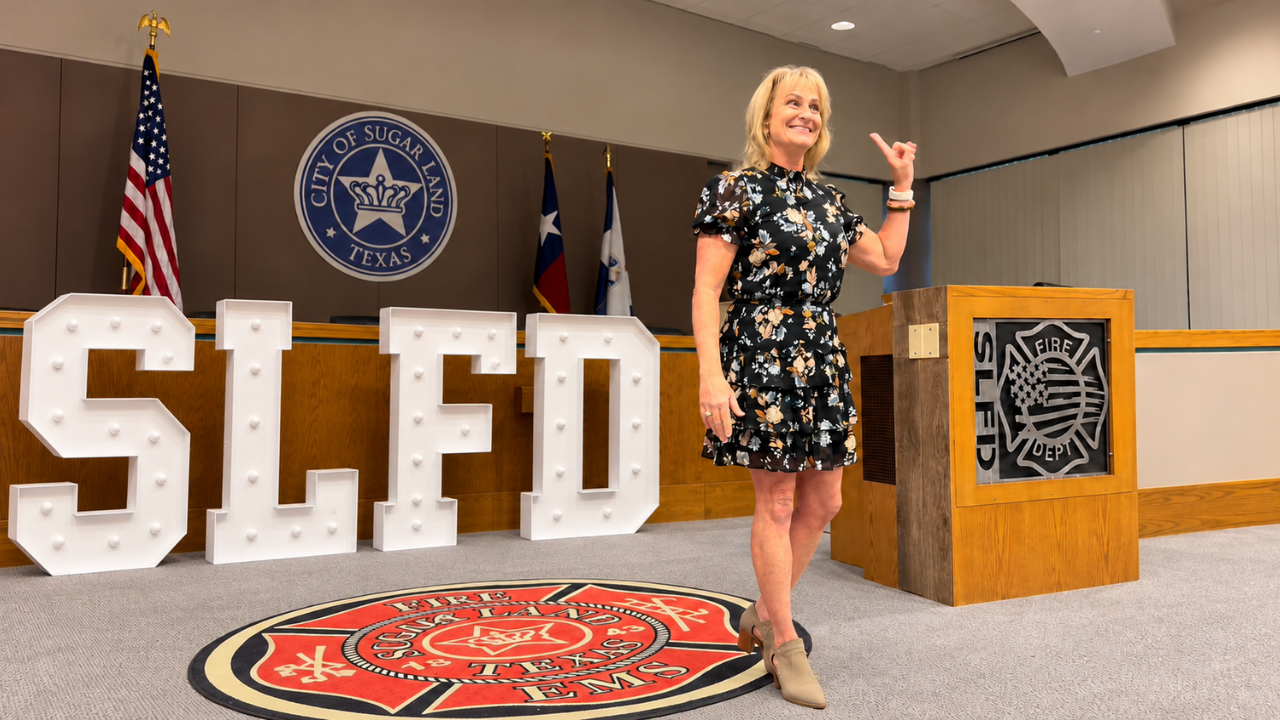

Transcript
There was a show called Undercover Boss, A CEO would put on a disguise walk into their own company as an employee, and for the first time they would see. The truth. Not the version presented in meetings, not polished reports, the real version. How managers actually treated people, what employees really thought, what was working and what wasn't, and almost every time they were shocked. But here's the part that matters. Nothing changed in the company. The only thing that changed was psychological safety. Leadership wasn't in the room, so people stopped performing and they told the truth. And this doesn't just happen in companies, it happens in families. It happens in relationships. It happens in social circles. Anywhere people don't feel safe to be honest. They adjust, they filter, they perform. They say what keeps the environment stable. And the truth, it goes underground. Welcome to the Kathie Owen Perspective Podcast, where we look at human patterns under pressure and how those patterns quietly shape leadership, culture, and decision making. Because what determines outcomes is not just strategy, it's behavior, human behavior. My name is Kathie Owen, and I am a private consultant, and I work with founders, CEOs, and leadership teams. usually when something feels off and they can't quite name it, but they know something isn't right. And what I do is observe human patterns under pressure, not what people say they're doing, what's actually happening. And a big part of how I develop this lens came through corporate wellness because corporate wellness gives you something most roles don't. Access. Access to every level of a company. Executives, managers, frontline employees, and when you're in that position, people talk. They tell you what's really going on, not in a formal setting, in a real conversation. That's where I started to see the gap. Between what leadership believes and what people actually experience. Now, here's where this gets interesting because companies love the idea of undercover boss, but they treat it like entertainment instead of recognizing it's actually a function, a necessary function inside a healthy organization. Every company needs someone who can do this, someone who can see what's happening when leadership isn't present, hear what people won't say in meetings, and identify these patterns under pressure before they turn into problems. You can hire a consultant to do that. This is one way. But you can also build this into your organization through a chief people officer or equivalent role if it's done correctly. And I want to be very clear here, this is not human resources. Human resources operates inside policy, and policy does not create psychological safety. In many cases, it does the opposite. It teaches people what not to say. It reinforces caution. It manages risk. Because it doesn't surface truth. This role is different. This person is not there to enforce. They are there to observe, to listen, to identify these patterns, to understand. Behavior under pressure, and most importantly, they are not operating inside internal politics. They are reporting clearly, often directly to leadership or even the board because if this role gets pulled into the system, it loses its value. And this is where companies miss it. They think this is a nice to have benefit. It is not. This protects enterprise value because when these patterns go unseen, they turn into disengagement, turnover, poor decision making, cultural breakdown, missed opportunities, and eventually they show up in the numbers, but by then they've been there for a while. Your people are not a line item. They are your greatest asset and also your greatest risk. I've seen it happen. Depending on how they experience your company, because what they experience is what your customers experience. It affects who you hire, who stays, who checks out, how decisions get made, how your company actually operates, not on paper in reality. Now, if you're listening to this and thinking, well, where do I even start with this? Kathie, I'm so glad you asked. Start Simple. Ask. Through a well-designed, anonymous assessment because when people feel safe, they tell the truth, and when they don't, they perform. Most companies already do surveys and most of them fail because people don't trust them. They're not truly anonymous. They're run inside internal systems. They're interpreted through bias. So people adjust. And leadership gets a filtered version of reality. But when you do this correctly, patterns started to emerge. You begin to see where trust breaks, where communication filters, where leadership shifts under pressure. And once you see it, you can go observe it in meetings, in conversations, in decisions, in actually working with your employees. Because behavior tells the truth faster than any report. And again, this isn't just business. You've seen this in your own life, in families where one voice dominates, in relationships where honesty is not safe, in social circles where people adjust to belong. It's the same pattern, just a different environment. So here's the question. Do you have a way to see what's actually happening inside your company when leadership isn't in the room? Because if you don't, you're not seeing the full picture and the cost of that is higher than most people realize. If you want to go deeper into this, I wrote a full blog post on this topic. There's a link to that in the show notes and description below, and it has additional resources including how to start uncovering these patterns inside your organization. I also have a book coming out called Human Patterns Under Pressure, where I break down this even further. What it looks like inside companies, families, and everyday life, and I will have a link to that in the show notes and description below as well. I trust that you found today's episode helpful, and if you know someone who needs to hear this share it with them. Because most people are operating inside these patterns without realizing it, and once you see it, you can't unsee it. All right. Thank you for being here, and I'll see you in the next episode of the Kathie Owen Perspective Podcast.

Discover how resentment affects your nervous system and how forgiveness can help you release tension. Kathie Owen explores rumination, Reality Transurfing, and simple practices to redirect your attention, ease stress, and return to the present moment.
#Resentment #Forgiveness #NervousSystemRegulation #RealityTransurfing