
Why Your Team Feels Slower (It’s Not Them)
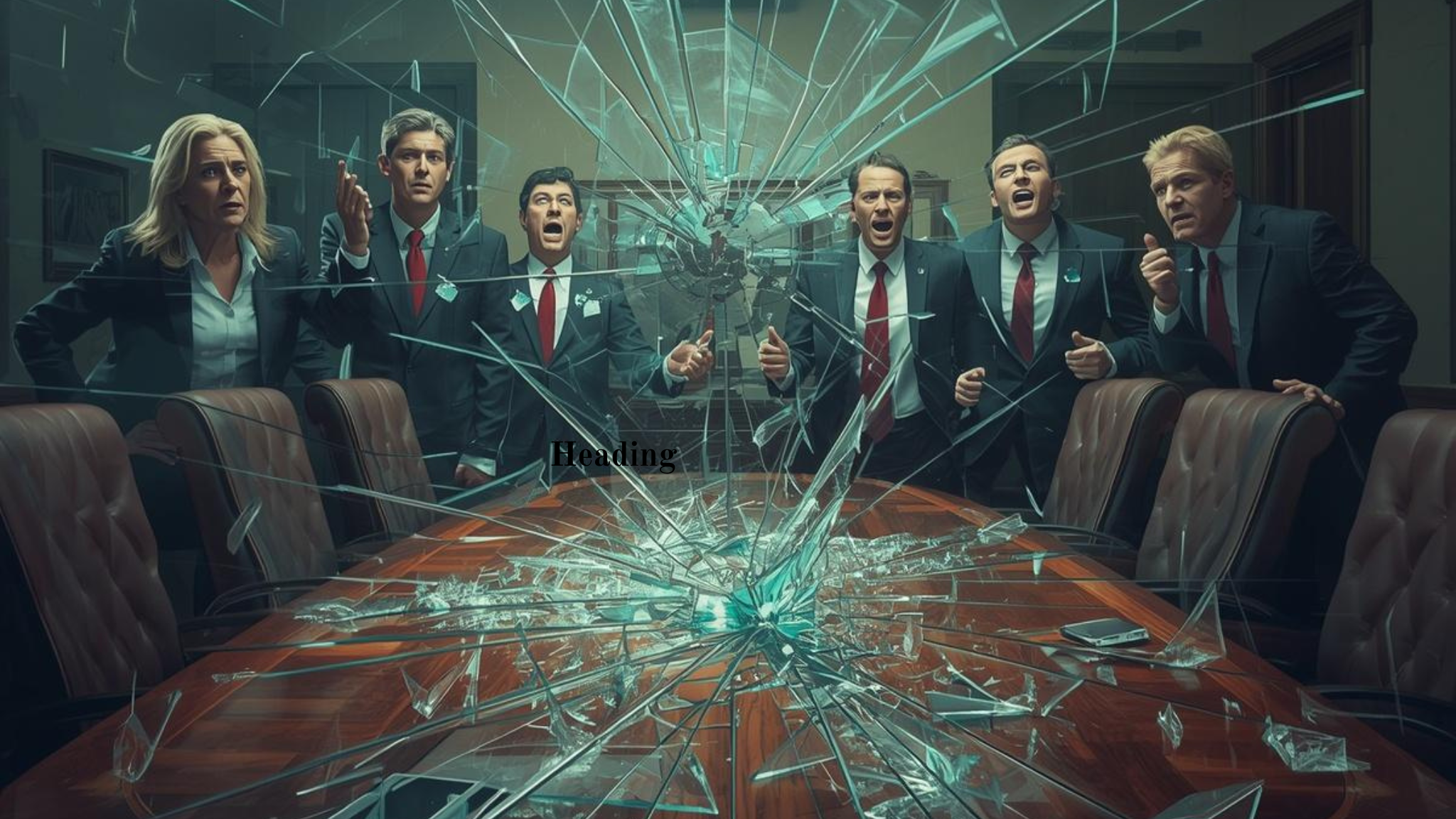
The Moment Leaders Lose Clarity (And Don’t Realize It)
It Starts Quietly
Something starts to feel off on your team.
You can’t prove it.
Nothing is broken.
Revenue still looks fine.
Meetings are still happening.
People are still doing their jobs.
But something is different.
Your team feels slower.
Not in output.
In energy.
In clarity.
In how decisions are getting made.
You start noticing small things:
People hesitate before answering you
Updates sound cleaner… but less useful
Conversations feel tighter than they used to
You leave meetings without real clarity
And if you’re honest…You’ve started stepping in more.
Asking more questions.
Getting more involved.
Keeping a closer eye on things.
Because it feels like you have to.
Most leaders assume this is normal.
“We’re just growing.”
“This is what happens at this stage.”
“I just need to stay on top of things.”
But here’s what almost no one tells you:
👉 This is the moment decision quality starts breaking down.
And it doesn’t happen because your team isn’t capable.
It happens because something subtle has shifted in the room…
And everyone is responding to it.
Even you.
What’s Actually Happening
From the outside, it looks like leadership is stepping up.
More involved.
More focused.
More engaged.
But underneath…
👉 Pressure has entered the system.
And someone—often a very capable, very responsible leader—feels that pressure.
Here’s where the shift happens:
Instead of stabilizing themselves internally…
They start stabilizing everything externally.
It shows up like this:
tightening conversations
controlling how things are said
needing alignment faster
stepping into decisions earlier
And this is important:
They are not trying to create problems. 👉 They are trying to relieve pressure.
But the moment that happens…👉 Force enters the system.
And when force enters…👉 Authenticity leaves.
People stop speaking freely.
They start managing how they show up.
They start performing.
Now you have a leadership team that looks aligned…
But isn’t actually telling the truth.
The Cost (That No One Sees Yet)
Nothing breaks right away.
That’s what makes this so dangerous.
Revenue still looks fine.
Reports still go out.
Meetings still happen.
But underneath:
truth stops flowing upward
problems surface later
decisions lose clarity
tension builds quietly
👉 The problem shows up in the room before it shows up in the numbers.
Every time.
The Moment That Changes Everything
This is where most leaders miss it.
You’re in a meeting.
Someone gives you an update.
And something in you tightens.
You don’t like the answer.
It feels incomplete.
It feels slow.
It feels off.
And instantly—without thinking—you move.
You jump in.
You reframe the question.
You redirect the conversation.
You start leading the answer.
👉 That’s the moment.
Most leaders think they’re helping.
They think they’re creating clarity.
But what they’re actually doing…👉 is relieving their own internal pressure.
And the cost is immediate.
Even if no one says it.
The person who was speaking?
They pull back.
The room?
Gets quieter.
And now people start thinking: 👉 “How do you want me to answer this?”
That’s how truth starts leaving the system.
What Strong Leaders Do Instead
Same meeting.
Same pressure.
Same instinct to jump in.
But instead of moving…
👉 They stay with the discomfort.
Just a few seconds longer.
They don’t interrupt.
They don’t redirect.
They don’t fix the answer.
They might ask:
“Say more about that.”
Or:
“What am I missing here?”
But they don’t take over the moment.
And something powerful happens.
The person keeps thinking.
They go one layer deeper.
The real answer starts to come out.
And the room stays open.
Instead of tightening.
What Responsibility Actually Looks Like
This is what most people misunderstand.
Taking responsibility at this level is not about:
controlling emotions
pretending you’re not under pressure
staying calm on the surface
👉 It’s this:
Not letting your internal pressure turn into external control.
Or more simply:
👉 Don’t make the system pay for what you won’t hold.
Because every time you move too fast to relieve pressure…
The system absorbs it.
And every time you hold it just a little longer…
👉 The system stabilizes on its own.
This Is Human Diligence
This is the work most companies never see.
You can have:
clean financials
strong projections
a solid deal structure
But if the people inside the system are operating from pressure…
From control…From unexamined internal reactions…
👉 the system will distort.
That’s what I look for.
Not just what’s happening on paper.
👉 What’s happening in people.
Why I See This Before Most Do
A lot of times, I’m not brought in for this directly.
I’m brought in through corporate wellness.
And what most leaders don’t realize is:
👉 Corporate wellness is one of the only places where people actually talk.
They talk about:
stress
pressure
what’s happening in their lives
what they’re experiencing at work
And when you listen across every level of a company…
You start to see patterns.
From executives…
To frontline employees.
And those patterns?
👉 They tell you exactly what’s happening inside the business.
This Isn’t Just Business
This pattern is human.
You see it in relationships.
You see it in families.
When someone feels pressure internally…
And doesn’t take responsibility for it…
They don’t say:
“Something feels off in me.”
They say:
“This needs to change.”
“This shouldn’t be happening.”
“This isn’t how this is supposed to go.”
Same pattern.
Different setting.
Underneath it all?
👉 Pressure.
👉 Attachment.
👉 The need for things to go a certain way.
Closing
And this is why this work matters.
Because the moment a leader can do this—
The moment they can hold their internal state without forcing the system—
👉 everything changes.
People open up again.
Truth starts moving again.
Decision quality returns.
If something feels off in your organization right now…
Pay attention to it.
You’re not imagining it.
You’re likely seeing it earlier than most.
👉 And that’s where the real work begins.
About Kathie Owen
Kathie Owen is a private consultant specializing in human patterns under pressure inside founder-led and private equity–backed companies. For years, she has worked inside organizations during high-stakes moments—mergers and acquisitions, founder exits, rapid growth phases, and leadership transitions—where decision quality matters most and the real risks don’t show up on a spreadsheet.
Her work focuses on what she calls human diligence—the ability to identify subtle behavioral patterns, pressure responses, and leadership dynamics that quietly shape outcomes, long before they appear in the numbers. Kathie is often brought in when “something feels off” but no one can clearly define why. Through direct observation and deep pattern recognition, she helps leaders see what’s actually happening inside their teams so they can restore clarity, trust, and effective decision-making.
With a background that spans corporate wellness, fitness, and leadership consulting, Kathie has spent years inside companies at every level—from executives to frontline employees—giving her a rare, ground-level view of how pressure impacts people, culture, and performance in real time.
She is the author of Human Patterns Under Pressure, where she explores how leadership behavior under stress determines whether companies scale or fracture.
If you’re interested in having Kathie speak to your leadership team or organization, you can learn more below.
Read More Articles from Kathie




Transcript
Something starts to feel off on your team. You can't prove it. Nothing is broken. Revenue still looks fine. Meetings are still happening. People are still doing their jobs, but something is different. Your team feels slower. Not an output in energy and clarity in how decisions are getting made. You start noticing small things. People hesitate before answering you. Updates sound clearer, but less useful. Conversations feel tighter than they used to, and you leave meetings without real clarity. And if you're honest, you've started stepping in more. Asking more questions, getting more involved, keeping a closer eye on things because it feels like you have to. Most leaders assume this is normal. We're just growing. This is what happens at this stage. I just need to stay on top of things. But here's the part, almost no one tells you. This is the moment decision quality starts breaking down. And it doesn't happen because your team isn't capable. It happens because something subtle has shifted in the room and everyone is responding to it, even you. Welcome to the Kathie Owen Perspective Podcast This is where we talk about human patterns under pressure, inside leadership teams, inside companies, and inside moments that quietly determine whether a business scales or starts to fracture. My name is Kathie Owen, and I'm a private consultant, and I'm typically brought into organizations during high stakes moments like private equity transitions, mergers and acquisitions, founder exits and rapid growth phases across industries like tech, pharmaceutical, accounting, oil and gas, and founder-led companies. Usually when something feels off, but no one can quite explain why. And I wanna say this right up front. Most of the time you won't have language for what's happening. You won't see it in a report, and you won't be able to point to one clear problem, but you're going to feel it. And that's the part leaders tend to override because it's not measurable, it's not concrete, so it gets dismissed. But what I've seen over and over again, those early signals are almost always right. They're just early. Let me show you what's really going on because from the outside it looks like leadership is stepping up. They're more involved, they're more focused, they're more engaged, but underneath pressure has entered the system. And someone often, a very capable, very responsible leader, feels that pressure. And here's where the shift happens. Instead of stabilizing themselves internally, they start to stabilize everything externally. It shows up as tightening conversations, as controlling how things are said, as needing alignment faster, and even as stepping into decisions earlier. And this is important. They're not trying to create problems, they're trying to relieve pressure. But the moment that happens, force enters the system and when force enters, authenticity leaves. People stop speaking freely. They start managing how they show up. They start performing. Now you have a leadership team that looks aligned but isn't actually telling the truth. Nothing breaks right away. That's what makes this so dangerous. Revenue still looks fine. Reports still go out, and meetings still happen, but underneath truth stop flowing upward. Problems surface later. Decisions lose clarity and tension builds quietly. And this is one of the most important things I can tell you. The problem shows up in the room before it shows up in the numbers every time. Now I wanna slow this down because this is the moment where everything changes and most leaders miss it. When I say the strongest leaders take responsibility for their internal state, I don't mean they sit there trying to manage their emotions. I also don't mean that they pretend like they're not under pressure. And I don't mean they try to so-called stay calm. I mean something very specific. They catch the moment right before their pressure turns into behavior. Because here's what actually happens in real time. You're in a meeting, someone gives you an update, and something in you tightens you don't like the answer. It feels incomplete, it feels slow. It feels off and instantly without even thinking about it. You move, you jump in, you reframe the question, you redirect a conversation, you start leading the answer. That right there, that's the moment. And it happens everywhere. It happens in relationships, it happens in families. That's probably why you're sitting there going, oh, I have been here. I have felt this. And most leaders think that they're helping. When they jump in and they reframe the question and redirect the conversation and start leading the answer, they think they're creating clarity. But what they're actually doing is relieving their own internal pressure. And I have seen this so many times, I can't even count. And the cost is immediate, even if no one says it. The person who was speaking, they pull back. The room, gets quieter. And now people start thinking, okay, how do you want me to answer this? And that's how truth starts leaving the system. Strong leaders do something different in that exact moment, in that same meeting, same pressure, same instinct to jump in, but instead of moving, they stay with the discomfort for just a few seconds longer. They don't interrupt, they don't redirect, and they don't fix the answer. Sometimes I call this self-awareness. Sometimes I call this emotional intelligence. But they just stay with that discomfort for just a few seconds longer. And when you do things change. So they might ask a question like, say more about that, or What am I missing here? But they don't take over the moment. And that small shift, that self-awareness, that emotional intelligence, it does something very powerful. The person who was talking keeps thinking. They go one layer deeper. The real answer starts to come out, and now the room stays open instead of tightening. That's what responsibility actually looks like, not internal, and it's not abstract. It shows up in whether you take over the moment. Or allow it to unfold. And this is the line I want you to remember. Don't make the system pay for what you won't hold. I have seen that so many times. I've seen leaders freak out and get all intense and they just, they make the system pay for what they're not gonna hold. And it just takes a moment. Just take a deep breath. And let it unfold. Allow it to unfold. Because every time you move too fast to relieve pressure, the system is going to absorb it, and every time you hold it just a little bit longer, the system stabilizes on its own. This is what I call human diligence. It's the layer of a business that doesn't show up in the spreadsheets, but it drives everything underneath. You can have clean financials, strong projections, a solid deal structure, but if the people inside the system are operating from pressure, from control, from unexamined internal reactions, the system will start to distort. That's what I'm looking for when I come into a company. Not what's happening on paper, but what's happening in people. And this is important because a lot of times this is not where I'm initially brought in. I'm often brought in through corporate wellness. And what most people don't realize is corporate wellness is one of the only places inside a company where people actually open up. They talk about stress, about pressure, what's happening in their lives, what they're experiencing at work. And when you're in those environments, you start to see patterns across the entire system from executives to frontline employees. And those patterns, they tell you exactly what's happening inside the business. This pattern isn't limited to companies, it's human. You see it in relationships. You see it in families. When someone feels pressure internally and doesn't take responsibility for it, they don't say something feels off in me. They say, this needs to change. This shouldn't be happening, by the way, should is a dirty word. And they also say, this isn't how this is supposed to be. Same pattern, different setting. You've probably seen it in your life and sometimes it can show up as certainty, as rigidity as needing things to go a certain way. But underneath it's pressure, it's attachment to you know how things should be, and it's the inability to hold what's happening internally without pushing it outward. And this is why this work matters. Because the moment a leader can do this, the moment they can hold their internal state without forcing the system, everything changes. People open up again. Truth starts moving again. Decision quality returns. So if something feels off in your organization, your family, your relationship right now, pay attention to it. You're not imagining it, you're likely seeing it earlier than most. I wrote a full breakdown of this in a blog post and I included bonus resources for you there. You can find that link in the description and show notes below. And if you know someone, a founder, A CEO, someone in private equity, or leading a team through high growth. Who might be experiencing this, share this episode with them because most people don't realize this is happening until it's already expensive. Alright, thank you for listening to the Kathie Owen Perspective Podcast and I will see you in the next episode.

Explore human patterns under pressure with private consultant Kathie Owen. Learn how a pause, nervous system regulation, non-attachment, radical responsibility, and courage can support clearer choices at work and at home. Watch the keynote and book a conversation.
#HumanPatternsUnderPressure #KathieOwenKeynote