
Post-Crisis Leadership Blind Spots

The Crisis Is Over.
Why the Organization Is Still Acting Like It Isn’t.
Most leaders believe their toughest challenge comes during a crisis.
In reality, the most dangerous phase often comes after.
The lawsuit is resolved.
The layoffs are complete.
The audit has passed.
The merger has closed.
On paper, the threat is gone.
But inside the organization, something hasn’t caught up yet.
The systems are tight.
Decisions are slow.
Trust feels thin.
Execution stalls.
Everyone is working harder.
Nothing is moving faster.
This is not a strategy problem.
It’s a post-crisis overcorrection problem.
What Post-Crisis Overcorrection Looks Like
After a destabilizing event, organizations often shift into what feels like responsible leadership.
More controls.
More approvals.
More oversight.
Less tolerance for error.
From the outside, it looks disciplined.
From the inside, it feels heavy.
Here’s the pattern I see repeatedly in post-crisis organizations:
Micromanagement framed as “alignment”
Approval bottlenecks framed as “risk management”
Delayed decisions framed as “due diligence”
Talent loss framed as “people who couldn’t adapt”
No one is trying to sabotage performance.
The system is trying to stay safe.
The problem is simple—but costly:
The crisis is over.The response is not.
A Quick Analogy (And Then We’ll Leave It)
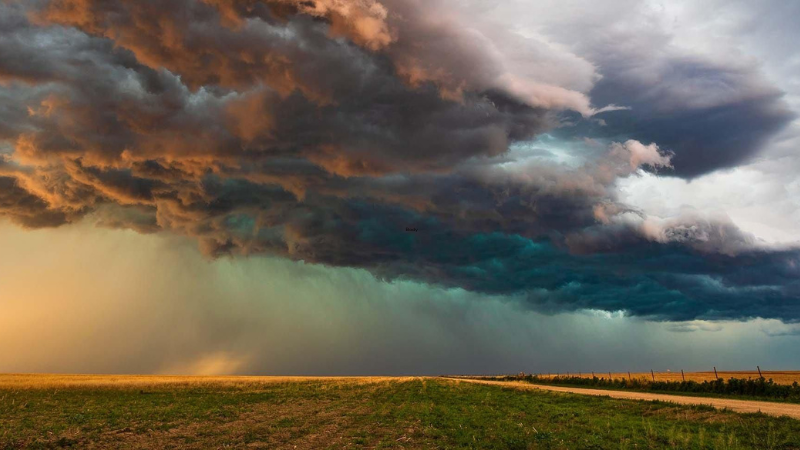
When a freeze warning hits after a past disaster, people don’t react to this weather event.
They react to the last one.
Time collapses.
Memory takes over.
The body acts as if the worst-case scenario is already happening.
Organizations do the same thing.
After layoffs, lawsuits, failed audits, or reputational hits, leadership behavior often responds to what once hurt, not what’s happening now.
That’s the danger.
Why Overcorrection Feels Like Good Leadership
This is where smart leaders get trapped.
Overcorrection feels responsible because it looks like control.
And control feels like safety when trust has been shaken.
In the aftermath of a crisis:
Leaders don’t want surprises
Teams don’t want blame
Everyone wants certainty
So processes expand.
Decision rights shrink.
Speed slows down.
Nobody announces this shift.
It happens quietly.
And because the intentions are good, the pattern goes unquestioned.
The Hidden Cost of “Playing It Safe”
Here’s what leaders often don’t see until months later.
When safety behaviors outlive the threat:
Execution slows
Initiative disappears
High performers disengage
Innovation quietly dies
Not because people stopped caring.
Because the system stopped trusting.
Fear doesn’t make organizations reckless.
It makes them rigid.
And rigidity is expensive.
This Is Not a Culture Problem
It’s important to say this clearly.
This is not about weak culture.
It’s not about bad employees.
It’s not about poor leadership character.
It’s about unresolved organizational memory.
After a threat, the nervous system stays alert.
At the individual level, this looks like hypervigilance.
At the organizational level, it looks like:
Excessive controls
Reduced autonomy
Slowed momentum
The system doesn’t realize the threat has passed.
So it keeps protecting itself.
When Safety Becomes the Performance Threat
This is the inflection point leaders miss.
What once protected the organization
eventually starts to erode it.
Controls that were necessary become friction.
Oversight that was helpful becomes suffocating.
Caution that was wise becomes paralysis.
The organization isn’t failing loudly.
It’s stalling quietly.
And by the time leaders notice, the cost is already high.
Why Leaders Don’t See It Right Away
Post-crisis overcorrection is hard to spot because:
It doesn’t trigger obvious alarms
Metrics lag behind behavior
The most capable people leave first—and silently
The organization adapts around the constraints
From the top, everything looks “under control.”
From the middle, everything feels slow.
From the ground, everything feels risky—because initiative is no longer safe.
Preparedness vs. Panic at Scale
This distinction matters.
Preparedness is grounded.
Panic is reactive.
Preparedness says:
“Let’s assess current conditions.”
“What’s the actual risk now?”
“What’s proportionate?”
Panic says:
“We can’t let that happen again.”
“We need more safeguards.”
“We can’t afford mistakes.”
Both sound similar.
Only one keeps decisions anchored in the present.
Organizations in overcorrection mode collapse time.
They respond to the past as if it’s happening now.
The Leadership Shift That Restores Momentum
The solution is not loosening controls overnight.
It’s not swinging the pendulum back.
It’s not motivational speeches or culture workshops.
It’s regulation.
When leaders stabilize their internal response to past threat, clarity returns.
When clarity returns:
Decision speed improves
Trust rebuilds
Autonomy increases
Performance follows
Not because pressure increased.
Because fear stopped driving the system.
My Role in These Moments
I don’t come in to “fix culture.”
I observe patterns.
Specifically, I identify when safety behaviors have outlived their usefulness—and quietly become performance threats.
I help leaders separate:
real risk from remembered threat
present conditions from past pain
appropriate caution from unnecessary control
This work isn’t emotional.
It’s strategic.
Because decisions made from unresolved fear are rarely good ones.
The Question Every Post-Crisis Leader Must Ask
Before adding another process…
Before slowing another decision…
Before tightening another control…
Ask this:
Are we preparing for what’s actually happening —or reacting to what once hurt us?
That question alone can change the trajectory of an organization.
Because when leadership returns to the present, the organization can finally move forward.
Read More Articles from Kathie



Transcript
Have you noticed what happens every time there's a weather warning or breaking news alert or some headline that hints at uncertainty? People panic. It doesn't even have to be severe. A freeze warning, a storm that might last a few hours. A news cycle that says, be prepared. Suddenly shelves are empty. People are anxious, decisions are rushed. Fear spreads faster than facts. And here's the interesting part. People are not reacting to this situation. They're reacting to the last one that scared them. Time collapses. Memory takes over, and behavior becomes disproportionate to what's actually happening. Now, here's why that matters. Especially if you're a leader, because the same exact thing happens inside organizations. Hello, my name is Kathie Owen. I'm a private invitation only consultant who works with leaders, executive teams, and organizations operating in high stakes environments, especially after disruption. I specialize in workplace case studies. Not theory, not motivation, not service level culture. I study what actually happens inside organizations under pressures. And why smart, capable leaders sometimes make decisions that quietly slow performance instead of strengthening it. And today's case study is about something I see constantly post-crisis over correction. Just like people panic during weather events because of past experience, organizations panic after layoffs, lawsuits, audits, failed launches, mergers and acquisitions, leadership exits and reputational hits. On paper, the event is over, but inside the system it's not. Here's the pattern. An organization goes through, something destabilizing, it hurts. Trust gets shaken, risk feels dangerous. Everyone wants to make sure that never happens again. So leadership responds. And at first those responses make sense. More controls, more approvals, more oversight, more caution. This is where most leaders believe they're being responsible, but over time something subtle shifts the response, outlives the threat, and that's when safety behaviors quietly turn into performance threats. Here's what post-crisis overcorrection often looks like in the workplace. Micromanagement framed as alignment, approval bottlenecks, framed as risk management, slower decisions framed as due diligence, talent loss, framed as people who couldn't adapt. No one is trying to harm the organization. The system is trying to stay safe. The problem is it's responding to memory, not present conditions. This is not a culture problem. It's not a personality problem. It's not a leadership character issue. It's a nervous system response at scale. After threat systems become hypervigilant and hyper vigilance feels like leadership. Until execution starts to stall. This is the moment leaders often miss. What once protected the organization eventually starts to erod it. Controls become friction. Oversight becomes suffocating. Caution becomes paralysis. The organization doesn't fail loudly. It stalls quietly, and by the time leaders notice momentum is already gone. This is important. Leaders don't miss this because they're careless. They miss it because the behaviors look responsible. Metrics lag behind reality. High performers leave quietly and the system adapts around the constraints. From the top everything looks like it's under control. From the middle, everything feels slow. From the ground initiative no longer feels safe. So here's the question every post-crisis leader needs to ask honestly. Are we prepared for what's actually happening right now? Or are we reacting to what once hurt us? That question alone can shift decision making. Because when leaders return to the present, clarity returns and when clarity returns, performance follows. This is where my work lives. I don't come in to fix"culture" in quotes. I observe systems. Specifically I identify when safety behaviors have outlived their usefulness and quietly become performance threats. I help leaders separate real risk from remembered threat, present conditions from past pain. Appropriate caution from unnecessary control. This isn't emotional work. It's strategic work because decisions made from unresolved fear are very rarely good ones. If this kind of workplace case study is helpful to you, make sure to like this video and subscribe to the channel. I regularly break down real leadership patterns just like this, especially the ones most people don't see until it's too late. My name is Kathie Owen. I'm a private invitation only consultant, and this channel is where I share workplace case studies for leaders operating under pressure. If you're navigating post-crisis leadership, mergers, acquisitions, or organizational strain, and something here resonated, you're not imagining it. You are seeing the pattern, and when leaders see clearly organizations move forward. I'll see you in the next case study. I trust that you found today's video helpful, and if you know somebody who can benefit from this, please share it with them. And until next time, I'll see you next time. Thanks for being here.

Uncertainty can turn observations into predictions—and predictions into behavior. Explore pattern recognition, Reality Transurfing, pendulums, human risk in M&A, entrepreneurship, and how the pause helps us separate what we know from the story our minds create.
#RealityTransurfing #HumanPatterns #Leadership #Pendulums