

Mental Health in the Workplace
The Role of Mental Health in Workplace Wellness
Mental health is a critical component of corporate wellness programs. Prioritizing mental health in the workplace helps improve employee well-being, reduce burnout, enhance productivity, and build a positive work culture. Creating an environment that supports mental health leads to happier, healthier, and more engaged teams.
Why Is Mental Health Important in Corporate Wellness?
Reduces Stress & Burnout: Addressing mental health in corporate wellness programs helps alleviate work-related stress and reduces the risk of employee burnout.
Boosts Productivity & Engagement: When employees have access to mental health support, they are more focused, engaged, and motivated in their roles, contributing to overall company success.
Creates a Supportive Work Culture: Fostering open conversations about mental health promotes empathy, understanding, and a sense of community within the workplace.
Common Questions About Mental Health in Corporate Wellness
-
A corporate wellness program can support mental health by offering stress management workshops, mindfulness sessions, mental health resources, access to counseling, and creating an open dialogue about mental well-being. Providing a variety of resources ensures employees feel supported and valued.
-
Key initiatives include mental health days, meditation or mindfulness programs, access to counseling or mental health professionals, stress-relief activities like yoga or breathing exercises, and lunch-and-learns on topics such as emotional intelligence and self-care.
-
Increased Employee Well-being: Employees experience improved mood, focus, and job satisfaction.
Reduced Absenteeism: Supporting mental health leads to fewer sick days and higher overall attendance.
Better Team Dynamics: Open discussions about mental health foster understanding, empathy, and stronger team connections.
-
Managers can play a key role by modeling healthy behaviors, encouraging time off when needed, holding regular check-ins, and promoting the use of wellness resources. Encouraging open dialogue about mental well-being also reduces stigma and helps build a supportive environment.
-
Common signs include decreased productivity, increased absenteeism, low morale, signs of stress or anxiety among employees, and a general decline in team communication. Addressing these issues early through a corporate wellness program can make a significant impact on employee well-being.
The Benefits of Focusing on Mental Health in Corporate Wellness Programs
Improved Employee Engagement: Supporting mental health encourages employees to be more present and engaged in their work.
Enhanced Work-Life Balance: Resources and support for mental health help employees better manage stress and maintain a healthy work-life balance.
Stronger Company Culture: A focus on mental health creates a culture of care, support, and resilience, making the company a more desirable place to work.
Mental Health in Corporate Wellness Articles, Videos, and Podcast Episodes are Here!




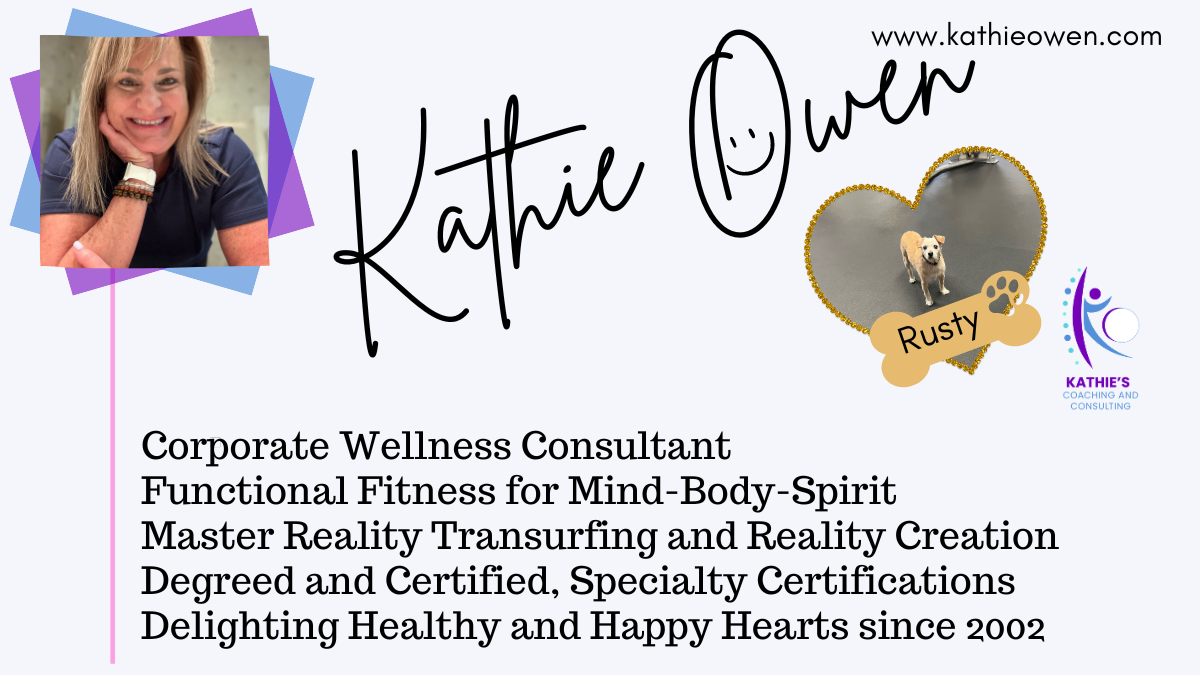
Most people think stress comes from life itself. But often, they are unconsciously feeding emotional systems that drain their energy, clarity, and peace. In this article, Kathie Owen explores Reality Transurfing, pendulums, emotional regulation, workplace pressure, and how observing instead of reacting changes everything.
#RealityTransurfing #HumanPatternsUnderPressure #EmotionalRegulation #LeadershipPsychology #Pendulums #NervousSystem #ConsciousLeadership #WorkplaceCulture #PresenceOverPressure #SelfAwareness